
 Pin it
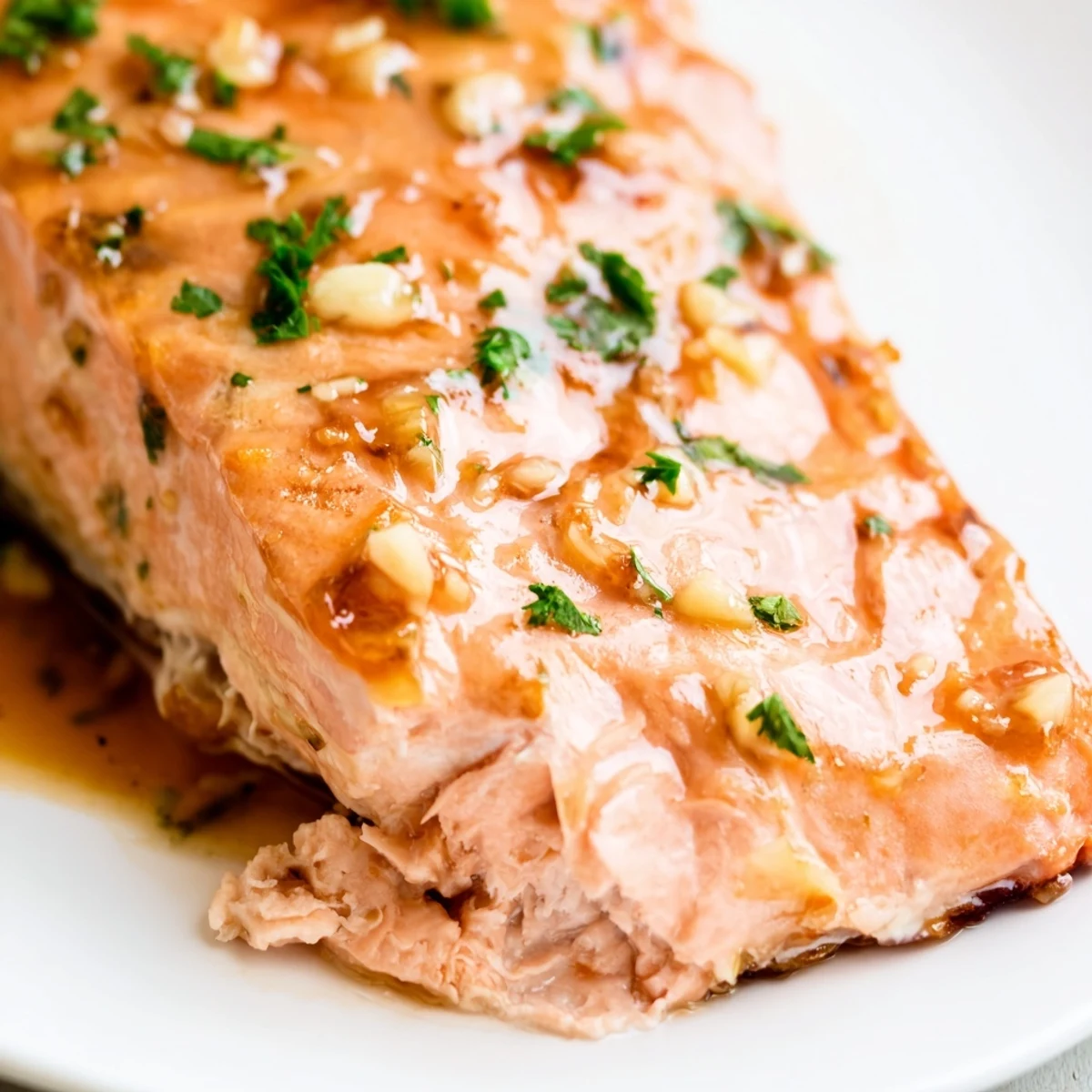
 This dish features tender salmon fillets baked to perfection and coated with a luscious honey garlic glaze. Combining honey, soy sauce, lemon juice, garlic, olive oil, and Dijon mustard, the glaze adds a perfect balance of sweetness and tang. Seasoned simply with salt and pepper, the salmon cooks quickly in a hot oven and is finished with a thickened glaze and fresh parsley garnish. Ideal for a nutritious and delicious dinner that’s easy to prepare.
There's something about the smell of garlic hitting a hot pan that makes me stop whatever I'm doing. One Tuesday evening, I was rushing through dinner prep when a friend dropped by unexpectedly, and I realized I had salmon in the fridge and about twenty minutes to make something impressive. That's when I threw together this honey garlic glaze, and watching their face light up after that first bite made me understand why this dish has become my go-to move.
I made this for my family on a random Sunday, and my dad—who usually just eats to fuel his day—actually asked me to write down what I did. That moment when someone you've known your whole life asks for your recipe is weirdly special.
Ingredients
- Salmon fillets: Four pieces about 6 ounces each work perfectly for four people, and skin-on keeps them from drying out in the oven.
- Honey: Three tablespoons give you that glossy sweetness without making it cloying, and it caramelizes beautifully.
- Soy sauce: Three tablespoons bring umami depth that makes the glaze taste intentional rather than just sweet.
- Fresh lemon juice: Two tablespoons cut through the richness and brighten everything up.
- Garlic: Four cloves minced fine so they cook evenly and scatter throughout the glaze.
- Olive oil: Two tablespoons create the silky texture that makes this feel luxurious.
- Dijon mustard: A teaspoon adds a subtle tang that you taste but can't quite name.
- Salt and black pepper: Season both sides of the fish generously before the glaze goes on.
- Fresh parsley: A tablespoon chopped brings color and a fresh finish that matters more than you'd think.
- Lemon wedges: For squeezing over everything at the end.
Instructions
- Get your oven ready:
- Heat it to 400°F and line a baking sheet with parchment paper so nothing sticks and cleanup is painless.
- Make the magic glaze:
- In a small bowl, whisk the honey, soy sauce, lemon juice, minced garlic, olive oil, and mustard together until smooth and combined. This is your glaze, and it should look glossy and smell incredible.
- Prepare the salmon:
- Pat your fillets dry with paper towels—this is the step that makes a real difference for texture. Season both sides with salt and pepper, tasting as you go.
- First coat of glaze:
- Spoon or brush half the glaze over the salmon fillets in an even layer, making sure each one gets a good coating. Save the rest for later.
- Bake the salmon:
- Slide the baking sheet into the oven for 12 to 15 minutes, depending on thickness. You'll know it's done when it flakes easily with a fork and the center is still a touch translucent if you like it that way.
- Finish the glaze:
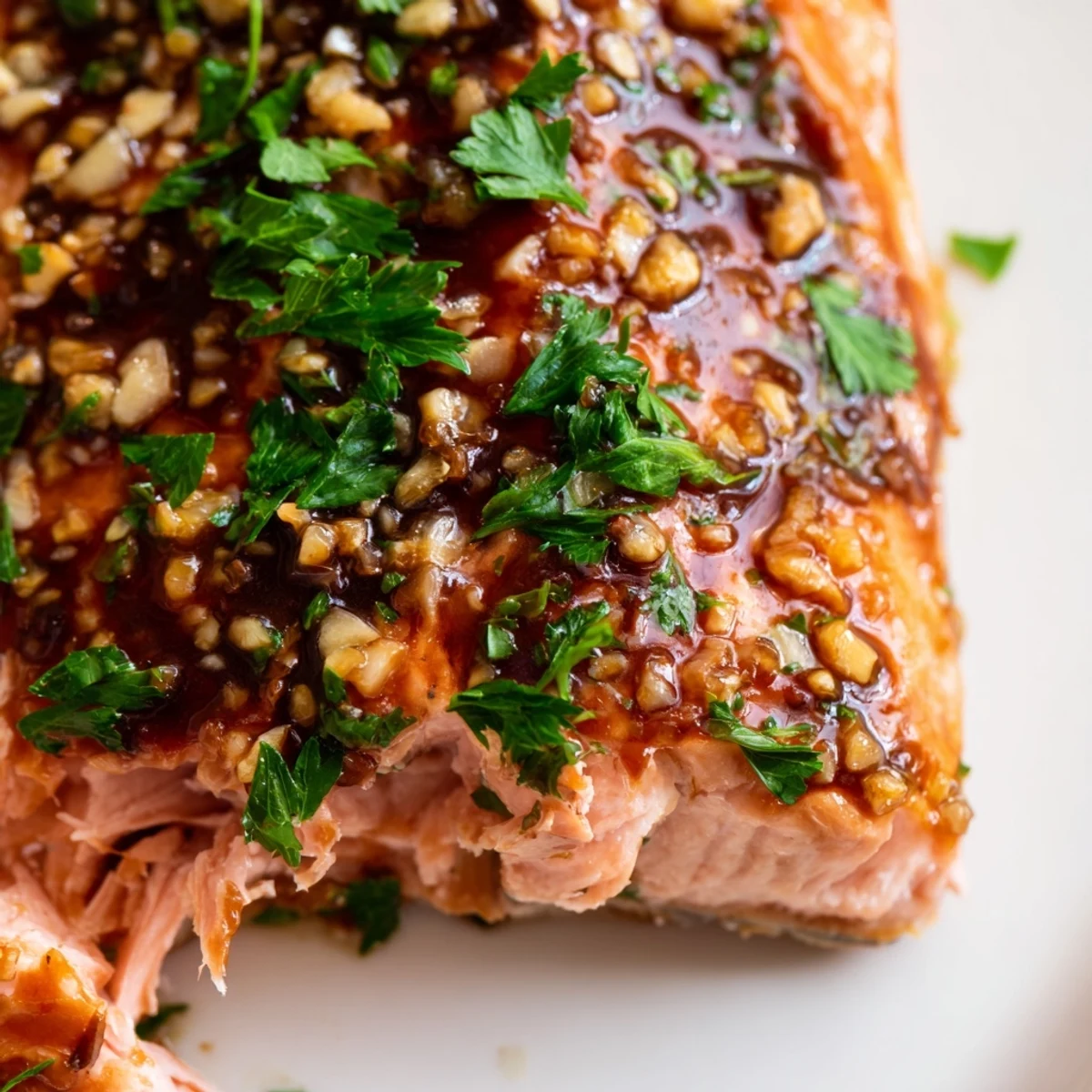
- While the salmon cooks, pour your reserved glaze into a small saucepan and bring it to a gentle simmer over medium heat. Stir frequently for about 2 to 3 minutes until it thickens slightly and clings to a spoon.
- Final touch:
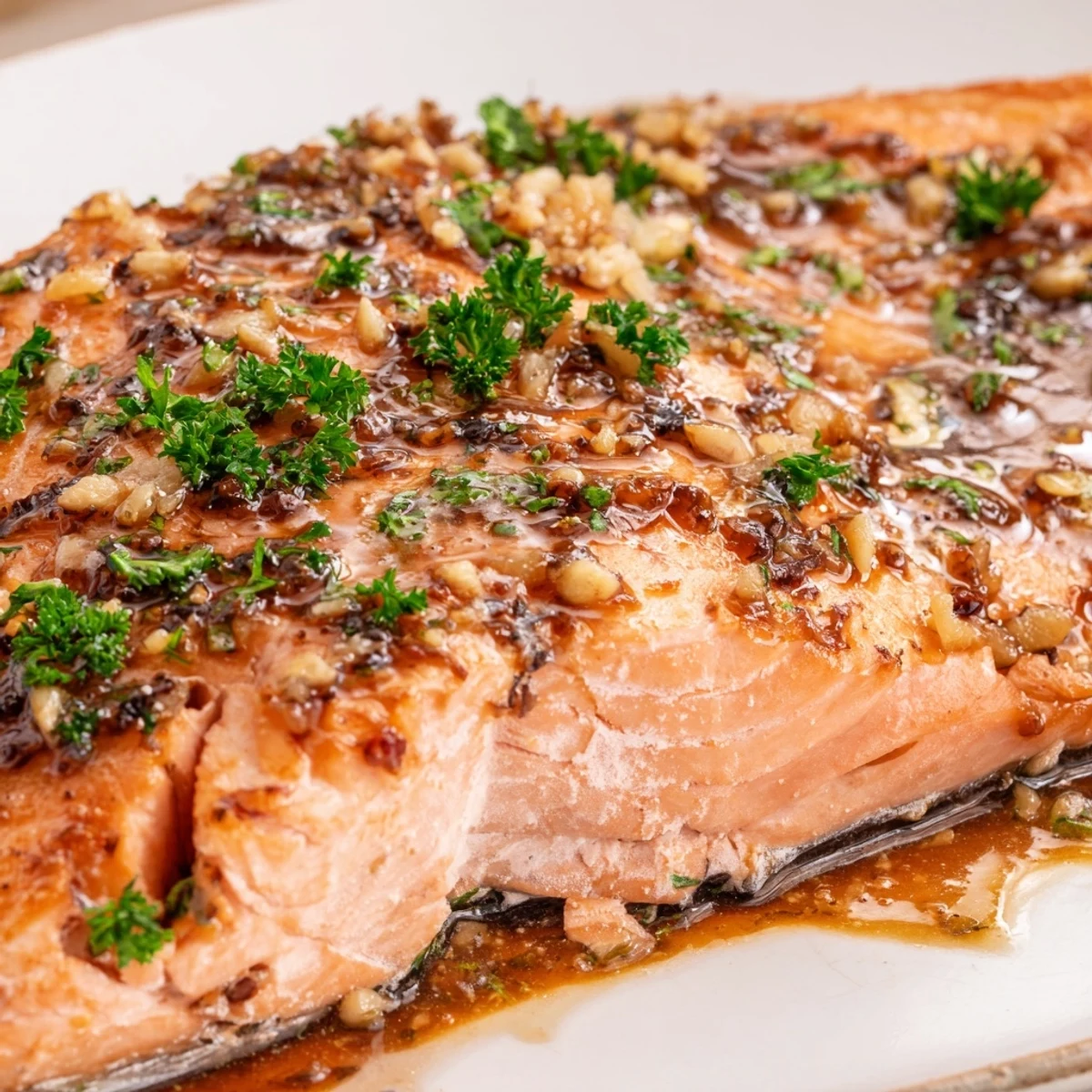
- Pull the salmon out and brush it with the thickened glaze right away. The heat helps it stick and makes everything shine.
- Serve with flair:
- Scatter parsley on top and serve with lemon wedges so people can squeeze them over their own plate.
 Pin it
 My roommate came home while this was baking and just stood in the kitchen breathing in the aroma without saying anything. Dinner became this unplanned thing where we both got to eat something that tasted like I'd put real thought into it, even though it took barely any time.
Why This Works So Well
The beauty of this dish is how the glaze ingredients balance each other out. Honey brings sweetness, soy sauce adds depth and salt, lemon juice keeps it bright, and garlic makes everything taste more like itself. The whole thing comes together without any fussiness, which is exactly when cooking feels effortless.
Ways to Serve It
I've made this with steamed rice on the side so you can let that glaze soak in, and I've also served it alongside roasted vegetables where everything gets glazed together and crispy. A fresh salad works too if you want something lighter to balance the richness of the salmon.
Small Tweaks That Matter
If you like things caramelized and a little charred, turn on the broiler for the last minute or two after you add the final glaze coat. You can also swap maple syrup for honey if that's what you have, and the result tastes just as good with a slightly deeper flavor. One thing I learned is that lemon wedges on the table matter more than you'd think because everyone seasons their own plate differently.
- Fresh garlic makes a noticeable difference compared to jarred, and it takes maybe thirty seconds longer to mince.
- Gluten-free soy sauce swaps in seamlessly if that's something you need.
- Leftovers are surprisingly good cold the next day, though I rarely get any.
 Pin it
 This has become the recipe I reach for when I want to feel like a confident cook without spending my whole evening in the kitchen. It's impressive enough that people think you tried harder than you actually did.
Recipe FAQ
- → How do I know when the salmon is cooked?
-
The salmon is done when it flakes easily with a fork and is opaque all the way through, usually after 12–15 minutes in a 400°F oven.
- → Can I substitute the honey in the glaze?
-
Yes, maple syrup can be used as a substitute for honey to maintain the sweetness and consistency of the glaze.
- → Should I use skin-on or skinless salmon fillets?
-
Both skin-on and skinless work well. Skin-on helps keep the fillet moist during baking and is easy to remove after cooking if desired.
- → What side dishes pair well with this dish?
-
Steamed rice, roasted vegetables, or a fresh salad complement the flavors and make a balanced meal.
- → How do I thicken the reserved glaze?
-
Simmer the reserved glaze over medium heat for 2–3 minutes, stirring frequently until slightly thickened before brushing on the salmon.