
 Pin it
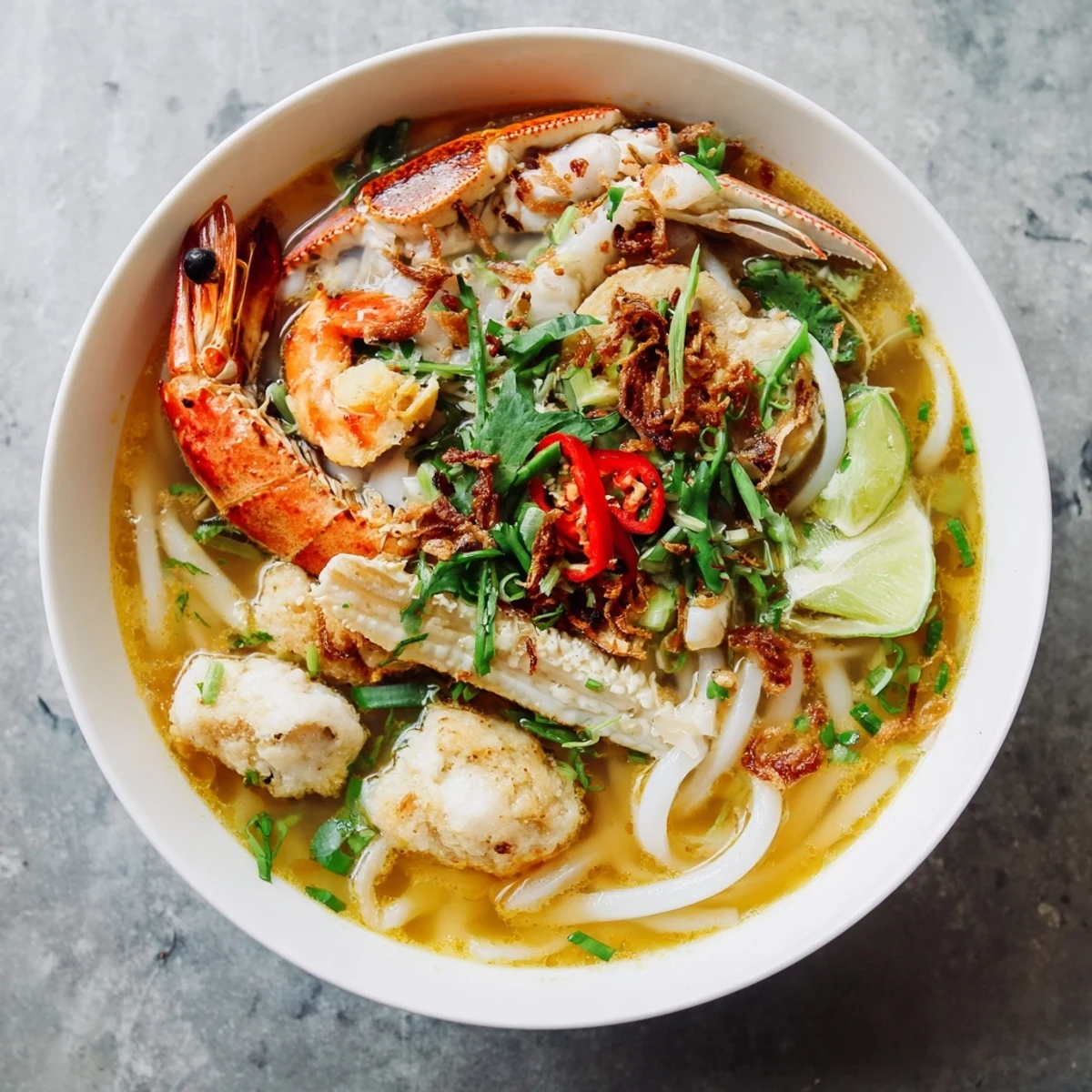
 This beloved Vietnamese specialty combines thick, chewy tapioca noodles with a deeply savory broth enriched with fresh crab meat, shrimp, and sliced fish cakes. The aromatic base simmers with pork bones, onion, and garlic, creating layers of umami that perfectly complement the sweet seafood. Each bowl gets topped with fragrant garnishes like fried shallots, fresh cilantro, spring onions, and a squeeze of lime. The result is a comforting, restaurant-quality dish that brings the authentic flavors of Vietnam to your home kitchen.
The steam rising from my grandmother's kitchen always signaled something special was brewing. On rainy afternoons in Saigon, she would prepare Banh Canh Cua, the thick, chewy tapioca noodles swimming in a golden crab broth that somehow made everything feel right with the world. I can still hear the rhythmic chopping of spring onions and the gentle simmer of broth that filled her small apartment. Now whenever storms roll in, my hands automatically reach for the same ingredients.
Last winter, during that terrible week when everyone in my house was sick, I made triple batches of this soup. My partner, who usually claims Vietnamese food is too complicated for weeknight cooking, watched me assemble the bowls in silence. After that first steaming spoonful, with the chewy noodles slipping through the broth and the sweet crab meat hitting their tongue, they asked me to teach them the recipe. We ate it three days straight, and I swear it helped us heal faster than anything else.
Ingredients
- 1.2 liters (5 cups) chicken stock: Homemade adds incredible depth, but a good quality store-bought stock works perfectly fine
- 400 g (14 oz) pork bones, blanched: These add essential body to the broth and that restaurant-quality richness
- 1 yellow onion, halved: The natural sweetness balances the savory seafood elements beautifully
- 2 cloves garlic, smashed: Don't be tempted to mince it, smashed garlic releases flavor more gently into broth
- 1 tsp salt and 1 tsp sugar: This classic Vietnamese seasoning combination creates perfect balance
- 1 tbsp fish sauce: The umami foundation that ties everything together
- 300 g (10 oz) fresh crab meat: Fresh is best, but good quality imitation crab works in a pinch
- 150 g (5 oz) shrimp, peeled and deveined: Leave them whole if small, or halve large ones for easier eating
- 200 g (7 oz) fish cakes or surimi: These add bounce and texture variation throughout the soup
- 400 g (14 oz) banh canh noodles: Fresh or frozen both work, just avoid dried versions that never quite achieve that perfect chew
- 2 spring onions, finely sliced: The fresh pop of onion brightness cuts through the rich broth
- 2 tbsp fried shallots: These crispy bits are non-negotiable for authentic flavor and texture
- 1 small bunch cilantro, chopped: Add it right before serving to preserve its fresh, herbal brightness
- 1 red chili, sliced: Optional, but that hit of heat is traditional for a reason
- Lime wedges: The essential acid brightens every bowl individually at the table
- Fresh ground black pepper: Grind it fresh right before serving for the best aromatic punch
Instructions
- Build your broth base:
- Combine chicken stock, blanched pork bones, halved onion, smashed garlic, salt, and sugar in your largest soup pot. Bring everything to a rolling boil over high heat, then immediately reduce to a gentle simmer. Let it work its magic for 30 minutes, skimming any foam that rises to the surface.
- Season and strain:
- Stir in the fish sauce, then carefully fish out the pork bones and onion halves. The broth should now be beautifully clear and fragrant. Taste and adjust the seasoning if needed, keeping in mind the seafood will add more saltiness.
- Cook the shrimp:
- Add the peeled shrimp to the broth and cook for just 2 to 3 minutes until they turn pink and opaque. Remove them immediately with a slotted spoon and set aside. Overcooking here makes them rubbery, and nobody wants that.
- Infuse the crab:
- Gently add the crab meat and sliced fish cakes to the broth. Let them simmer for 5 to 7 minutes, allowing the seafood flavors to meld with the broth. The fish cakes will float when they're ready, and the broth will take on a beautiful rosy hue.
- Prepare the noodles:
- Cook the banh canh noodles according to package directions, usually just 2 to 3 minutes in boiling water. Drain them well and give them a quick rinse under cool water to stop the cooking and prevent sticking.
- Assemble like a pro:
- Divide the cooked noodles among four large, deep bowls. Arrange the shrimp, crab meat, and fish cakes on top of the noodles, making sure each bowl gets an equal share of everything good.
- Ladle and serve:
- Pour the steaming hot broth over each bowl, watching as it cascades over the noodles and seafood. The heat from the broth will warm everything through perfectly.
- Garnish generously:
- Scatter spring onions, fried shallots, cilantro, and fresh chili over each bowl. Serve with lime wedges on the side and let everyone add their own fresh ground black pepper at the table.
 Pin it
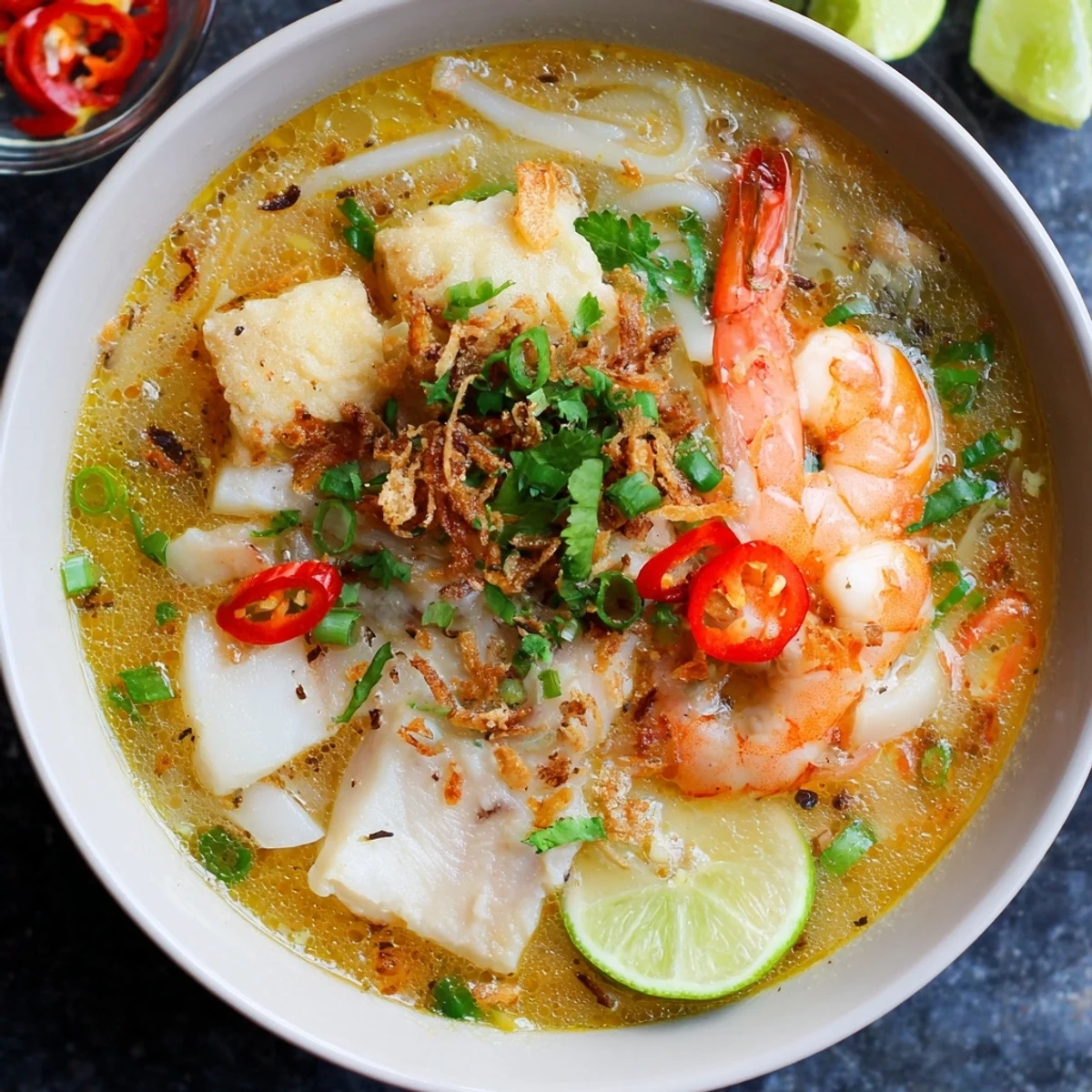
 My friend Mai visited from Vietnam last spring, and after weeks of eating her way through American restaurants, she was homesick. I made this soup for her on a Tuesday night, watching her face light up with that first spoonful. We sat at my kitchen table for two hours, just eating and talking, while the steam curled up between us like a familiar ghost. She said it tasted exactly like the street stall near her childhood home, which might be the best compliment I have ever received.
Making It Your Own
The beauty of Banh Canh Cua lies in its adaptability. I have made versions with just crab during shrimp season, and others with only fish cakes when fresh seafood was scarce. The thick noodles are the constant that ties everything together, creating that luxurious mouthfeel that makes this soup so satisfying.
Broth Secrets
That deep, amber color in restaurant versions often comes from annatto oil, which I was skeptical about until I tried it. Just a tablespoon swirls into the broth like liquid sunset, adding subtle earthiness without any strange aftertaste. Now I keep a small bottle in my pantry specifically for soup days.
Perfect Pairings
This soup is surprisingly filling on its own, but a light side of pickled vegetables helps cut through the richness. Some crisp cucumber slices or pickled carrots and daikon provide the perfect refreshing contrast.
- Prepare all your garnishes before you start cooking, so assembly goes quickly at the end
- Keep the noodles separate from the broth if you are planning to store leftovers overnight
- Always serve with extra lime wedges, because that acid brightens every single element
 Pin it
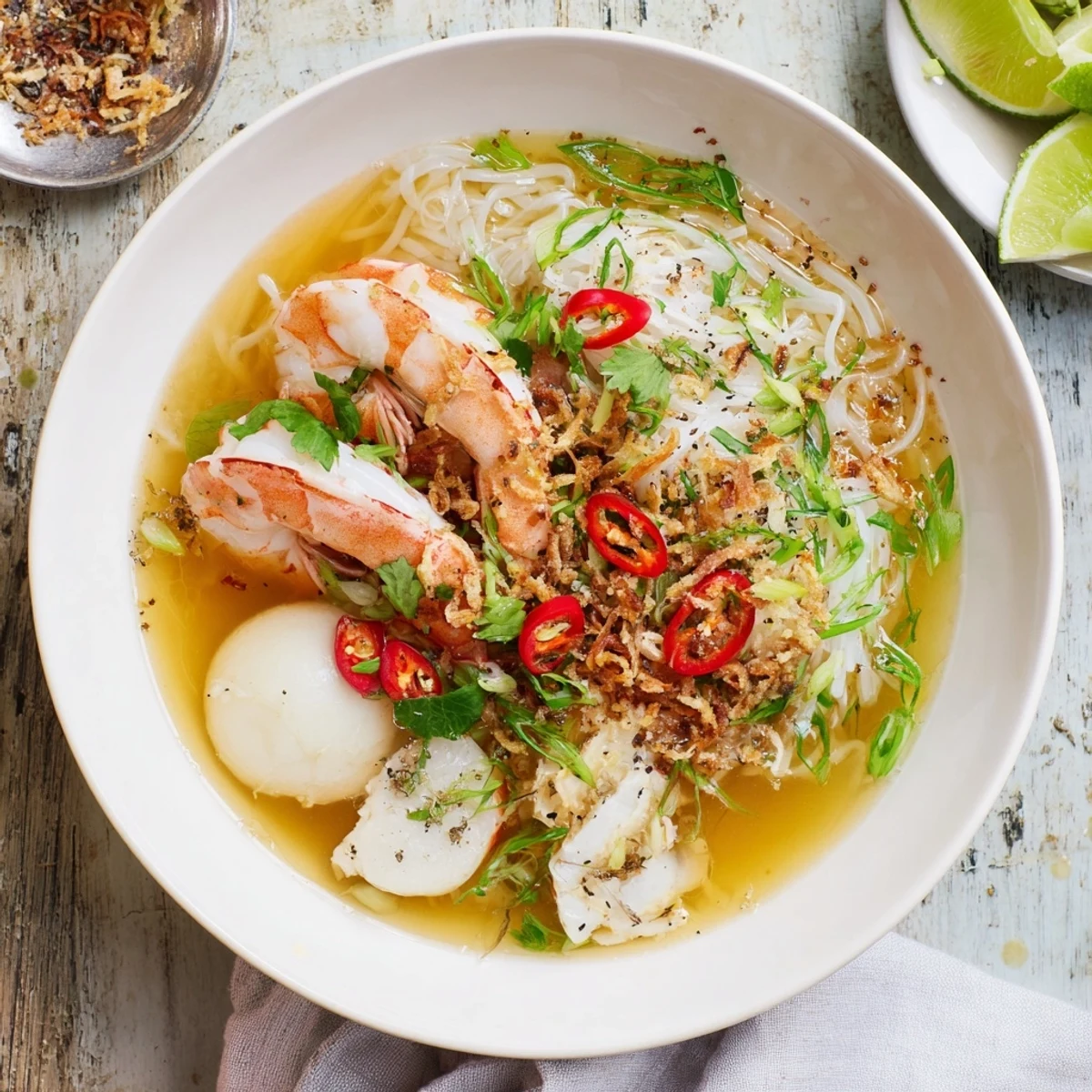
 There is something profoundly nourishing about a bowl of Banh Canh Cua that goes beyond its ingredients. Maybe it is the combination of warm broth, chewy noodles, and sweet seafood, or perhaps it is simply that some recipes carry memory in every spoonful.
Recipe FAQ
- → What makes banh canh cua different from other Vietnamese noodle soups?
-
The distinctive element is the thick tapioca noodles which have a delightfully chewy, bouncy texture unlike the thinner rice noodles in pho or bun. The broth is also naturally sweeter from the crab and seafood, creating a richer, more comforting bowl.
- → Can I use imitation crab for this dish?
-
Yes, imitation crab or surimi works well and is commonly used. Fresh crab meat delivers the best flavor, but high-quality imitation crab provides sweetness and texture while being more budget-friendly and accessible.
- → How do I prevent the noodles from sticking together?
-
Rinse the cooked noodles under cool water immediately after draining. Toss them with a small amount of oil if needed, and assemble bowls just before ladling hot broth over them to keep them separate and tender.
- → Can I make the broth ahead of time?
-
Absolutely. The broth actually develops deeper flavors when made a day ahead. Cool completely, refrigerate, and gently reheat before serving. Add the fresh seafood just before serving to prevent overcooking.
- → What can I substitute for fish cakes?
-
Fish cakes add texture and subtle sweetness. You can substitute with sliced fish balls, extra shrimp, or thin pieces of white fish fillet. For a different twist, try sliced Vietnamese ham or cha lua.
- → Is this dish gluten-free?
-
The traditional tapioca noodles are naturally gluten-free, but fish cakes often contain wheat as a binder. Check labels carefully or use fresh seafood alternatives to ensure the dish remains gluten-free.