
 Pin it
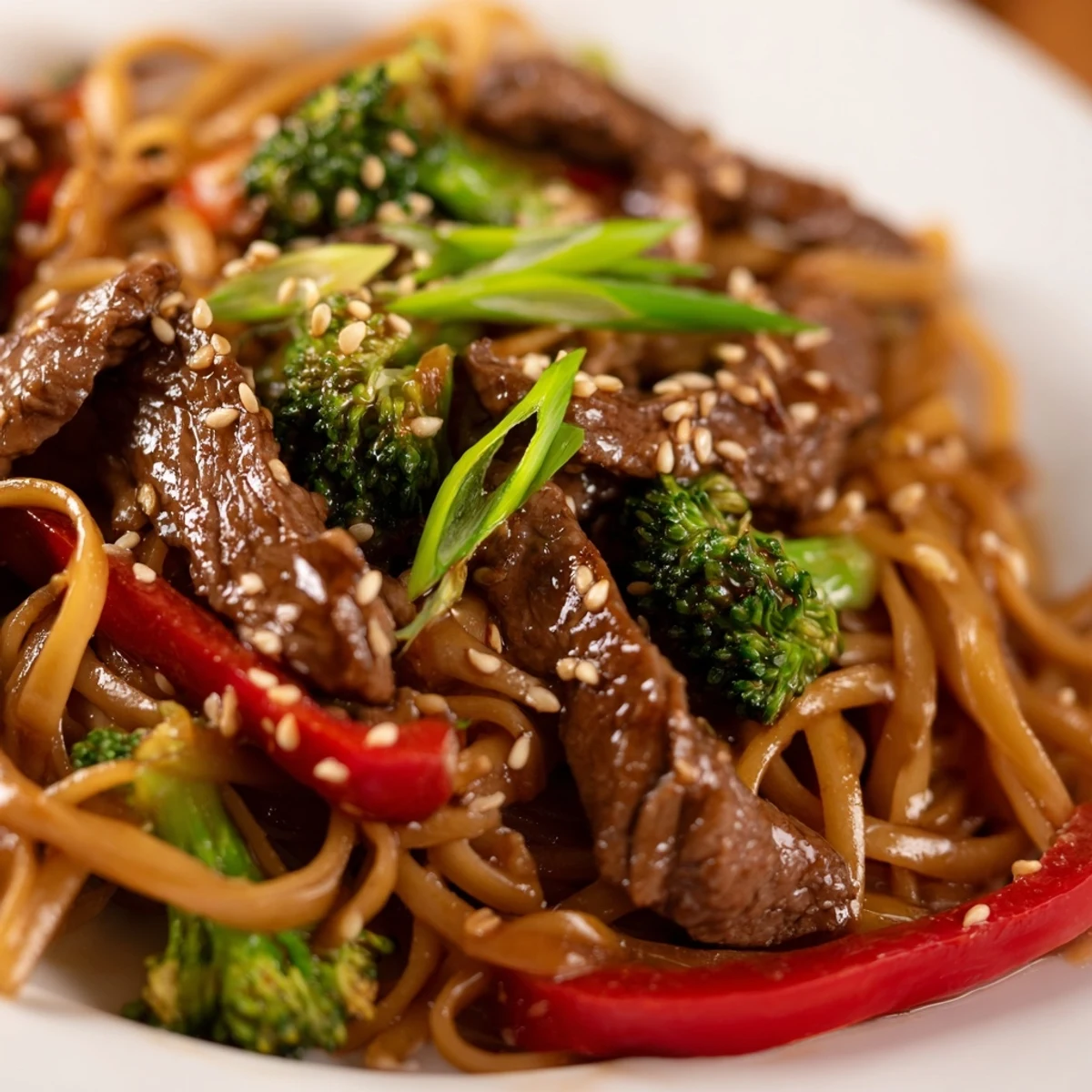
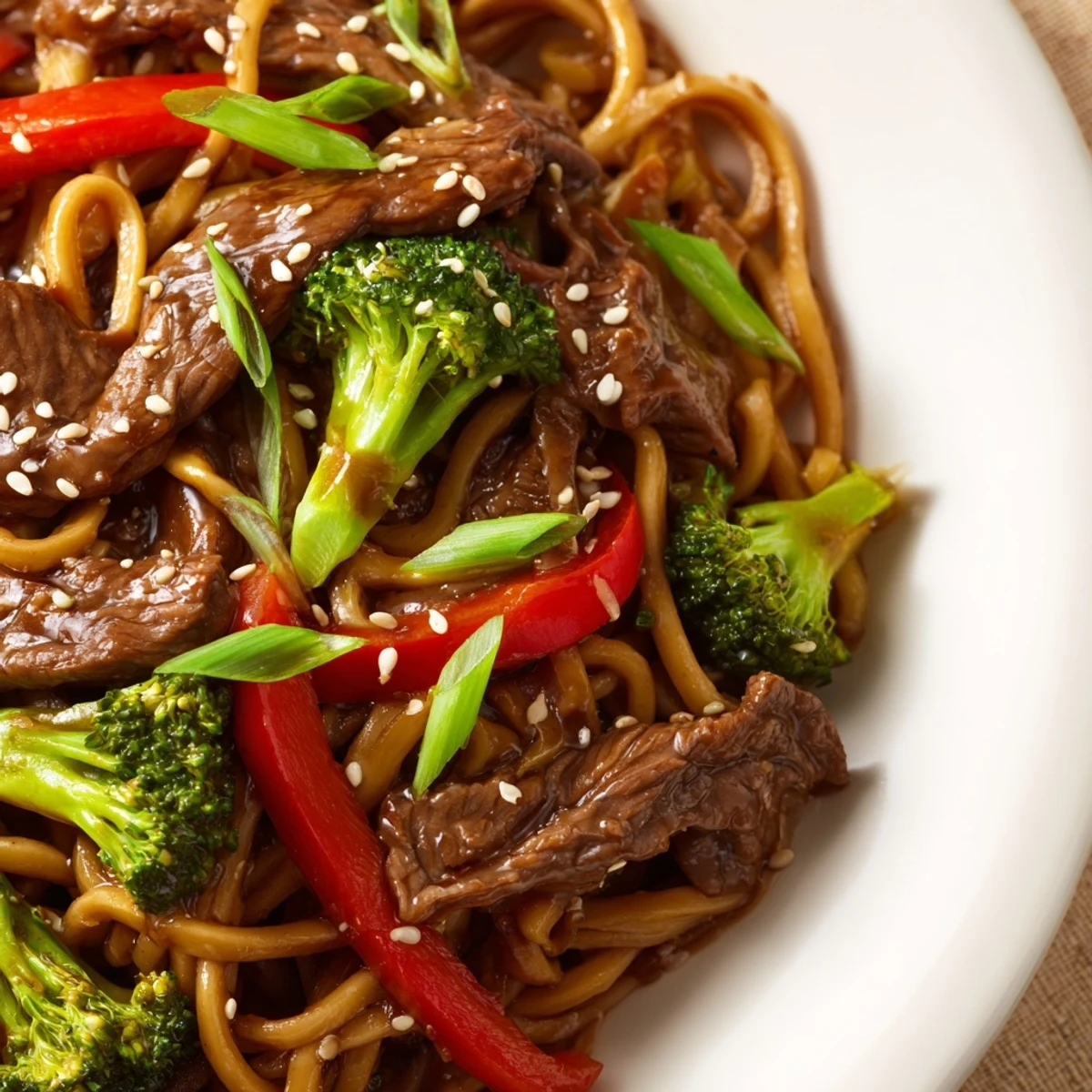
 This dish features tender strips of beef paired with crisp broccoli and silky lo mein noodles, all coated in a savory-sweet sesame sauce. The marinade infuses the beef with flavor while quick stir-frying keeps vegetables crisp-tender. Finished with toasted sesame seeds and fresh green onions, this meal delivers a satisfying balance of texture and aroma, perfect for a straightforward yet delicious Asian-inspired dinner.
One weeknight, I found myself staring at leftover flank steak and a bunch of broccoli, wondering how to turn them into something that felt less like cleanup and more like dinner. I tossed everything into a hot wok with some noodles and a sauce I'd mixed on the fly—sesame oil, soy, a touch of sweetness—and within fifteen minutes, something magical happened. The kitchen filled with that warm, savory aroma that made my partner wander in from the other room asking what smelled so good. That first bowl convinced me this dish was worth repeating, and now it's one of those meals I make when I want something that tastes restaurant-quality but doesn't demand hours in the kitchen.
I made this for a small dinner party once, and I remember panicking slightly when I realized I'd timed everything wrong—the noodles were done but the beef wasn't in the pan yet. But that small mistake taught me something valuable: when you're cooking for others, having everything prepped and ready (what the French call mise en place) makes all the difference. By the time my guests arrived, the whole dish came together in five seamless minutes, and they left convinced I'd been cooking all afternoon.
Ingredients
- Flank steak or sirloin (350 g / 12 oz), thinly sliced against the grain: Slicing against the grain shortens the muscle fibers and gives you that tender bite you want, even though the beef spends only a few minutes in the pan.
- Soy sauce (1 tbsp for marinade, 3 tbsp for sauce): The backbone of the whole thing—it brings umami depth that balances the sweetness without making anything taste salty.
- Cornstarch (1 tsp for beef, 1 tsp for sauce): It seals moisture into the beef and thickens the sauce just enough to coat the noodles instead of pooling at the bottom of the bowl.
- Toasted sesame oil (1 tsp for marinade, 2 tsp for sauce): Use the good stuff here; it's fragrant and nutty and makes everything taste more intentional.
- Oyster sauce (2 tbsp): This adds a savory undertone that most people can't quite identify but instantly recognize as making the whole dish taste better.
- Hoisin sauce (1 tbsp): A touch of hoisin brings subtle sweetness and complexity without overpowering the other flavors.
- Brown sugar (1 tbsp): It rounds out the sauce with just enough sweetness to balance the savory and salty elements.
- Rice vinegar (1 tbsp): A small splash of acidity brightens everything and keeps the sauce from feeling heavy.
- Lo mein noodles or spaghetti (200 g / 7 oz): Dried lo mein has a slight chewiness that holds the sauce beautifully; spaghetti works just as well if that's what you have.
- Broccoli florets (2 cups / 200 g): They stay vibrant and crisp if you don't overcrowd the pan—give them space to actually cook rather than steam.
- Red bell pepper (1), thinly sliced: The sweetness of the pepper plays nicely against the umami of the sauce, and the color makes the whole dish more visually interesting.
- Garlic (2 cloves), minced: Mince it right before cooking so it stays fragrant; pre-minced garlic loses its punch sitting in the fridge.
- Green onions (2-3), sliced: They add a fresh, mild onion bite that cuts through the richness of the sauce.
- Vegetable oil (1 tbsp): Any neutral oil with a high smoke point works—you need the heat for the beef to sear properly.
- Toasted sesame seeds (1 tbsp) and extra green onions for garnish: These finishing touches add crunch and a last-minute freshness that elevates the whole bowl.
Instructions
- Marinate the beef:
- Toss your thinly sliced beef with soy sauce, cornstarch, and sesame oil in a bowl and let it sit for at least ten minutes. This gives the cornstarch time to seal in moisture and the soy to season the meat through and through.
- Mix the sauce:
- Whisk all your sauce ingredients together until the brown sugar dissolves and everything's smooth. Setting it aside now means you won't be scrambling to mix anything while everything's already cooking at full speed.
- Cook the noodles:
- Follow the package instructions and drain well—excess water will dilute your sauce and make the dish mushy. Some people toss the drained noodles with a tiny drizzle of oil to keep them from sticking together.
- Sear the beef:
- Heat your oil in a large skillet or wok over high heat until it's smoking slightly, then add the beef in a single layer and let it sit for a minute or two before stirring. This creates a light crust and keeps the strips tender inside; if you stir constantly, they'll release moisture and steam instead of sear.
- Cook the vegetables:
- Pull the beef out, then add your garlic, broccoli, and bell pepper to the same hot pan. Stir-fry for two to three minutes until the broccoli is bright green and just barely tender—the residual heat will keep softening them after you plate, so don't wait until they're completely cooked.
- Bring it all together:
- Return the beef, add the cooked noodles and sauce, and toss everything constantly for two to three minutes until the sauce clings to the noodles and everything's heated through. You'll see the sauce thicken slightly as it warms; that's the cornstarch doing its job.
- Finish and serve:
- Stir in your fresh green onions right at the end so they stay bright and crisp. Garnish with sesame seeds and extra green onion greens, and serve immediately while everything's still steaming.
 Pin it
 There's a particular satisfaction in watching someone take their first bite and immediately go quiet, then ask for seconds before they've finished the first bowl. This dish does that—it feels substantial and cared-for without asking you to spend all evening cooking, and somehow that balance is exactly what people crave on ordinary weeknights.
Building Depth with Umami
The secret to this sauce tasting rich and complex comes down to layering umami flavors—soy sauce, oyster sauce, and hoisin all bring different savory notes that build on each other. None of them dominate; together they create something that tastes familiar and comforting without being able to pinpoint exactly what you're tasting. It's the difference between a sauce that's just seasoned and one that tastes like someone spent time thinking about every element.
Texture and Timing
The real art here is managing the different cooking speeds so everything finishes at the same moment—tender beef, crisp-tender vegetables, silky noodles coated in glossy sauce. If you crowd the pan or lower the heat, everything will steam and soften too much, and you lose that textural contrast that makes the dish interesting. High heat, organized prep, and a little patience while things cook separately before coming together is the whole technique.
Variations and Flexibility
This recipe is genuinely forgiving if you want to make it your own. Swap chicken or tofu for beef, use whatever vegetables you have on hand, or add a pinch of red pepper flakes if you like heat, and the whole dish still works beautifully. I've made it with snap peas instead of broccoli, thrown in mushrooms, or added a splash of sriracha right before serving—each version tastes different but equally satisfying.
- For extra color and nutrition, add baby bok choy, snow peas, or water chestnuts alongside the broccoli.
- If you prefer it sweeter, add another half tablespoon of brown sugar; if you like it more savory, add another teaspoon of soy sauce.
- Blanch the broccoli for one minute in boiling water before stir-frying if you want it vibrant green and more tender from the start.
 Pin it
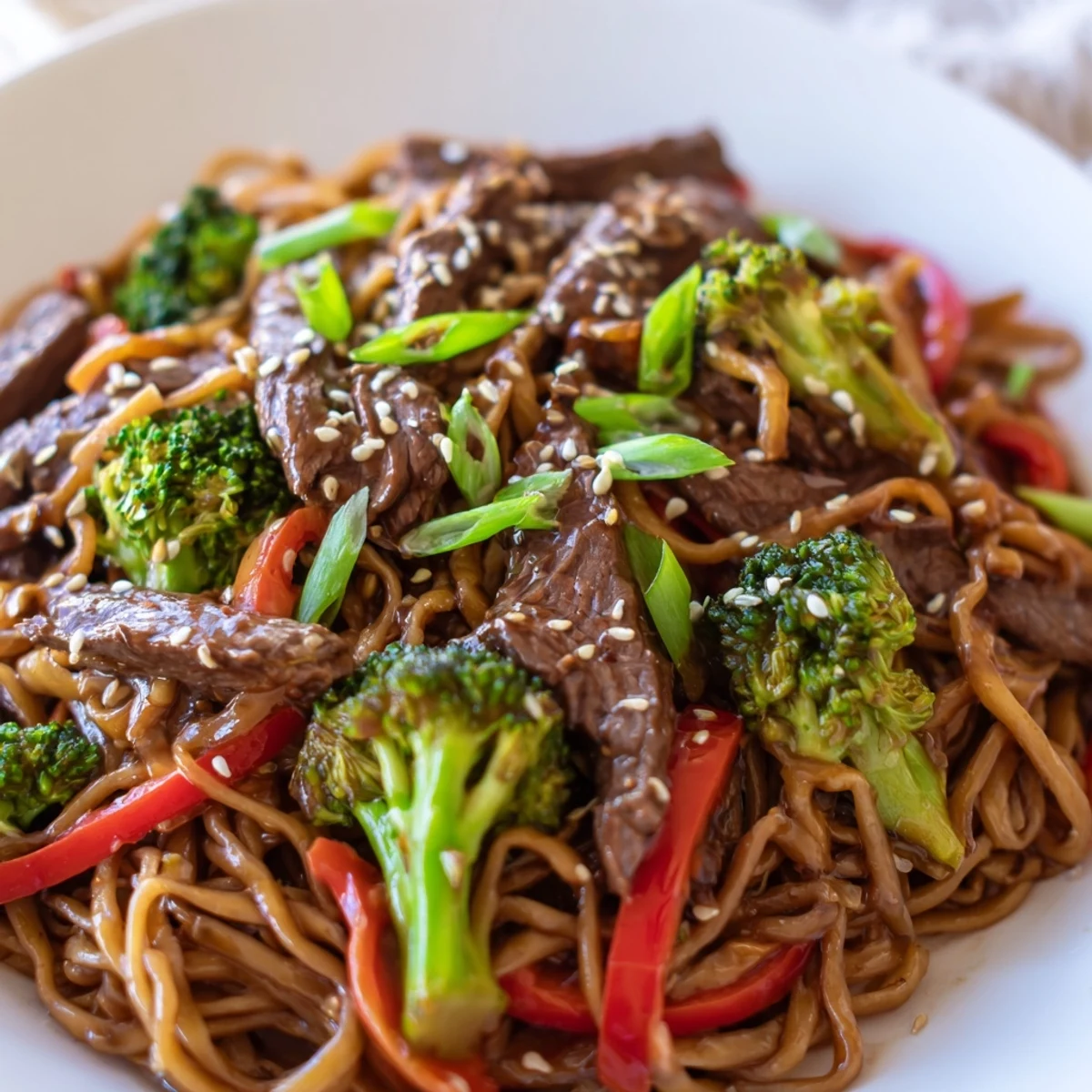
 This is the kind of meal that makes you grateful for high heat, a good wok, and a sauce that comes together in less time than it takes to cook noodles. It's honest food that tastes like you tried, and that's all anyone really wants on a regular Tuesday night.
Recipe FAQ
- → How do I keep the broccoli crisp when cooking?
-
Blanch the broccoli in boiling water for about 1 minute before stir-frying, then quickly toss it in the hot pan to retain its vibrant color and crunch.
- → Can I substitute the beef with other proteins?
-
Yes, chicken or tofu can be used instead of beef. Adjust cooking times accordingly to ensure proper doneness and texture.
- → What noodles work best for this dish?
-
Dried lo mein noodles are ideal, but spaghetti or other wheat-based noodles can be used as an alternative.
- → How do I thicken the sesame sauce?
-
The sauce uses cornstarch slurry to thicken. Ensure it is well dissolved before adding and cook until the sauce coats the ingredients evenly.
- → What gives the dish its nutty flavor?
-
Toasted sesame oil and sesame seeds provide the distinctive nutty aroma and flavor that complements the other savory elements.