
 Pin it
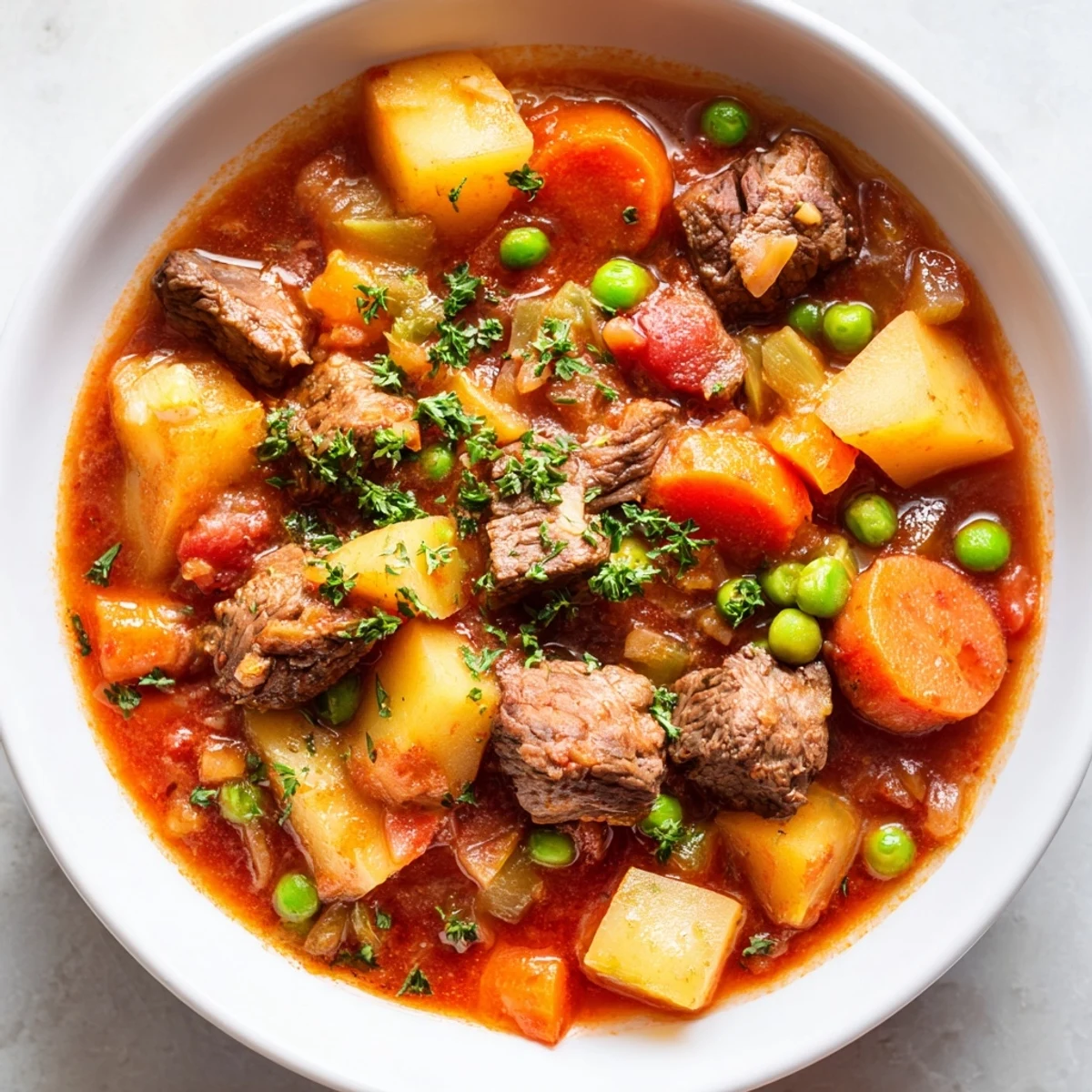
 This hearty beef dish features tender cubes of beef braised with carrots, potatoes, onions, and fragrant herbs in a savory tomato-based sauce. Vegetables are sautéed and combined with broth and seasonings before baking slowly to develop deep flavors and tender textures. Frozen peas are added toward the end to retain freshness and color. This bake offers a warm, satisfying meal ideal for feeding a family or preparing meals ahead.
Olive oil is used for searing, while thyme, rosemary, and bay leaf add aromatic depth. The dish finishes garnished with fresh parsley, enhancing the rich flavors. Variations can include swapping regular potatoes for sweet potatoes or adding a splash of red wine for complexity. Serve with crusty bread or egg noodles for a complete meal experience.
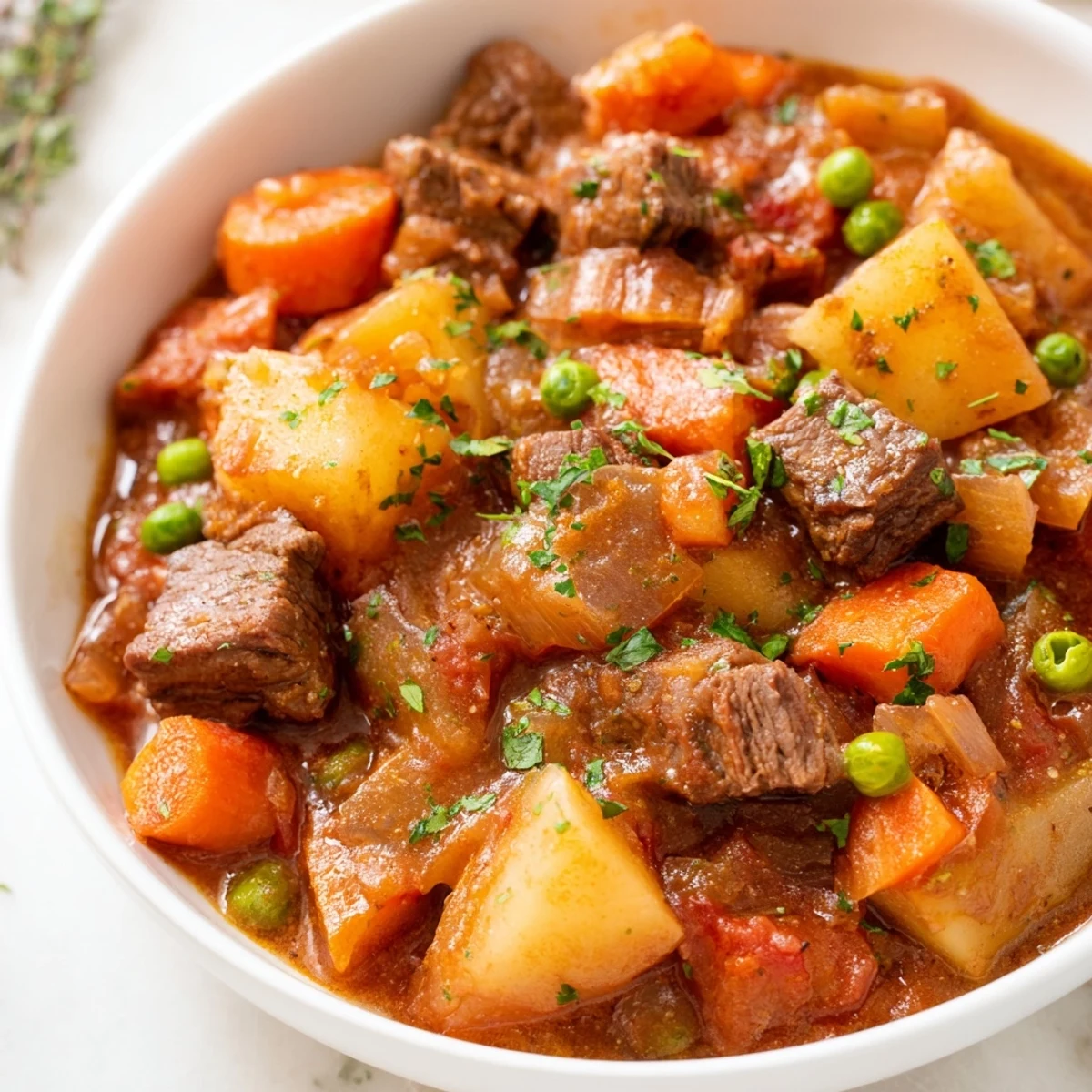
There's something about a casserole dish emerging from the oven that transforms a regular Tuesday into something worth remembering. The first time I made this beef casserole, I wasn't trying to impress anyone—I just wanted dinner ready when everyone came home hungry and tired. What surprised me was how the kitchen filled with this deep, savory warmth that made everyone pause the moment they walked through the door.
I remember serving this to my neighbor who had just moved in, and she took one bite and asked for the recipe before finishing her plate. It wasn't fancy or complicated, but it had that quality that makes people feel cared for—the kind of food that says you spent time thinking about making something good. That's when I realized this casserole had become my go-to when I wanted to say something nice without words.
Ingredients
- Beef chuck or stewing beef: The tougher cuts are actually your secret weapon here—they break down into tender perfection during the long bake, becoming far more flavorful than expensive steaks ever would.
- Carrots, potatoes, celery, and onion: These aren't just filler; they're the foundation that transforms beef broth into something with body and character.
- Garlic: Two cloves minced fine releases their sweetness into the sauce without overpowering anything else.
- Frozen peas: They go in at the very end to stay bright and tender, giving you little bursts of sweetness against the savory depth.
- Beef broth: Use good quality broth if you can—it's tasted in every spoonful and makes the difference between decent and memorable.
- Tomato paste and diced tomatoes: These add body and a subtle tang that keeps the sauce from feeling one-note.
- Worcestershire sauce: Just two tablespoons creates an umami backbone that makes people ask what's in it.
- Thyme and rosemary: Dried herbs work beautifully here; they mellow and infuse slowly rather than shout.
- All-purpose flour: This creates a gentle thickener that makes the sauce silky without ever feeling gluey.
- Olive oil: Two tablespoons is enough to get a proper sear on the beef without making the final dish greasy.
Instructions
- Get everything ready and heat your oven:
- Preheat to 350°F and have all your vegetables prepped and sitting nearby. There's nothing worse than chopping onions while beef sits cooling in your pot.
- Sear the beef until it's dark and crusty:
- Heat olive oil in your Dutch oven over medium-high heat, then add beef in a single layer without crowding. Let it sit undisturbed for a couple minutes so it develops a real golden crust, then flip and repeat. This takes about five minutes total and creates the foundation of flavor for everything that follows.
- Sauté the vegetables until they start to soften:
- Remove the beef to a plate, then in the same pot add onions, carrots, celery, and garlic. Stir them around for four to five minutes until the onions turn translucent and everything smells sweet and toasted.
- Create a light paste with flour:
- Sprinkle flour over the vegetables and stir constantly for about a minute, coating everything evenly. This step prevents lumps and helps thicken the sauce later.
- Bring everything together in the pot:
- Return the beef to the pot, then add potatoes, tomatoes, tomato paste, Worcestershire sauce, thyme, rosemary, bay leaf, salt, and pepper. Pour in the broth and stir until everything is submerged and the tomato paste dissolves.
- Bring to a gentle simmer on the stovetop:
- Let it bubble quietly for a minute or two, just enough to see some steam rising and to know everything is warm throughout.
- Cover and let the oven do the work:
- Transfer to the oven for one full hour, giving the beef time to become genuinely tender and the flavors to meld into something complex and cohesive.
- Finish with peas and a final bake:
- Remove the casserole, stir in the frozen peas, and return it uncovered for fifteen more minutes. This brief final bake lets the peas warm through while the sauce reduces slightly and thickens.
- Taste, adjust, and serve:
- Fish out the bay leaf, taste for salt and pepper, then garnish with fresh parsley and serve while it's hot and steaming.
 Pin it
 The real magic happens when someone you care about tastes this and closes their eyes for a moment before speaking. That's when you know you've made something that transcends the ingredient list and becomes part of how people feel in your home.
The Beauty of Honest Comfort Food
This casserole represents something that feels increasingly rare—a dish built on flavor instead of trends, on technique instead of shortcuts. When you brown the beef properly and let it cook low and slow, you're honoring both the ingredient and the time you're spending. That respect shows up in every bite.
Building Flavor Through Layering
What makes this casserole work is the way flavors stack and support each other rather than compete. The Worcestershire adds depth without announcing itself, the tomato paste brings body and subtle sweetness, the herbs whisper rather than shout, and the beef broth ties everything into a cohesive sauce. This is a lesson that extends beyond cooking—sometimes the best results come from letting each element do its job quietly.
Serving and Storing Your Casserole
Serve this hot from the oven with crusty bread for soaking up the sauce, or over egg noodles if you want something more substantial. The casserole actually improves after a day in the refrigerator, as the flavors continue to deepen and meld. It reheats beautifully either on the stovetop over gentle heat or in a 325°F oven covered with foil.
- Leftovers keep in the refrigerator for up to four days and freeze beautifully for up to three months.
- If you're making this for meal prep, portion it into individual containers for grab-and-heat convenience.
- A simple green salad or roasted vegetables alongside keeps the meal feeling complete without overwhelming the plate.
 Pin it
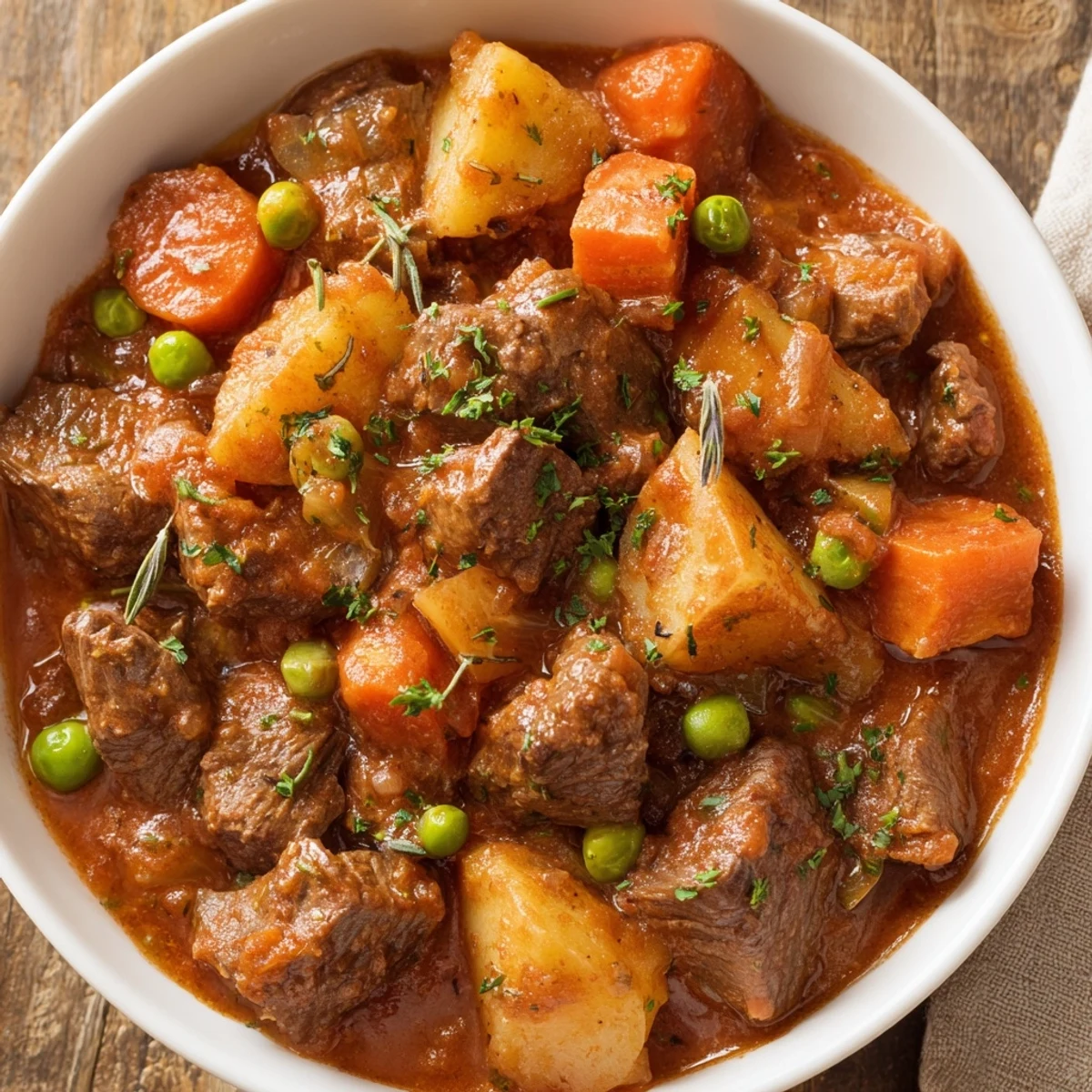
 This beef casserole has become my answer to so many occasions—when someone needs feeding, when the kitchen needs to feel warm and purposeful, when I want to give something that lasts longer than just a meal. Make it often enough and it stops being a recipe and becomes your own.
Recipe FAQ
- → What cut of beef works best for this dish?
-
Beef chuck or stewing beef cut into 1-inch cubes is ideal for tender, flavorful results when braised slowly.
- → Can I substitute any vegetables in this dish?
-
Yes, sweet potatoes or parsnips can replace regular potatoes, and fresh or frozen peas work well near the end.
- → How should I brown the beef cubes properly?
-
Heat olive oil in a heavy pot over medium-high heat and sear each side for about 5 minutes until browned, developing flavor.
- → What herbs give this dish its flavor?
-
Dried thyme, rosemary, and a bay leaf add aromatic depth during slow baking, complemented by fresh parsley garnish.
- → Is it possible to prepare this dish ahead of time?
-
Absolutely, it stores well refrigerated and reheats nicely, making it perfect for meal prepping or family dinners.
- → What liquids are used to create the sauce?
-
A combination of beef broth, diced tomatoes, tomato paste, and Worcestershire sauce creates a rich, savory sauce base.