
 Pin it
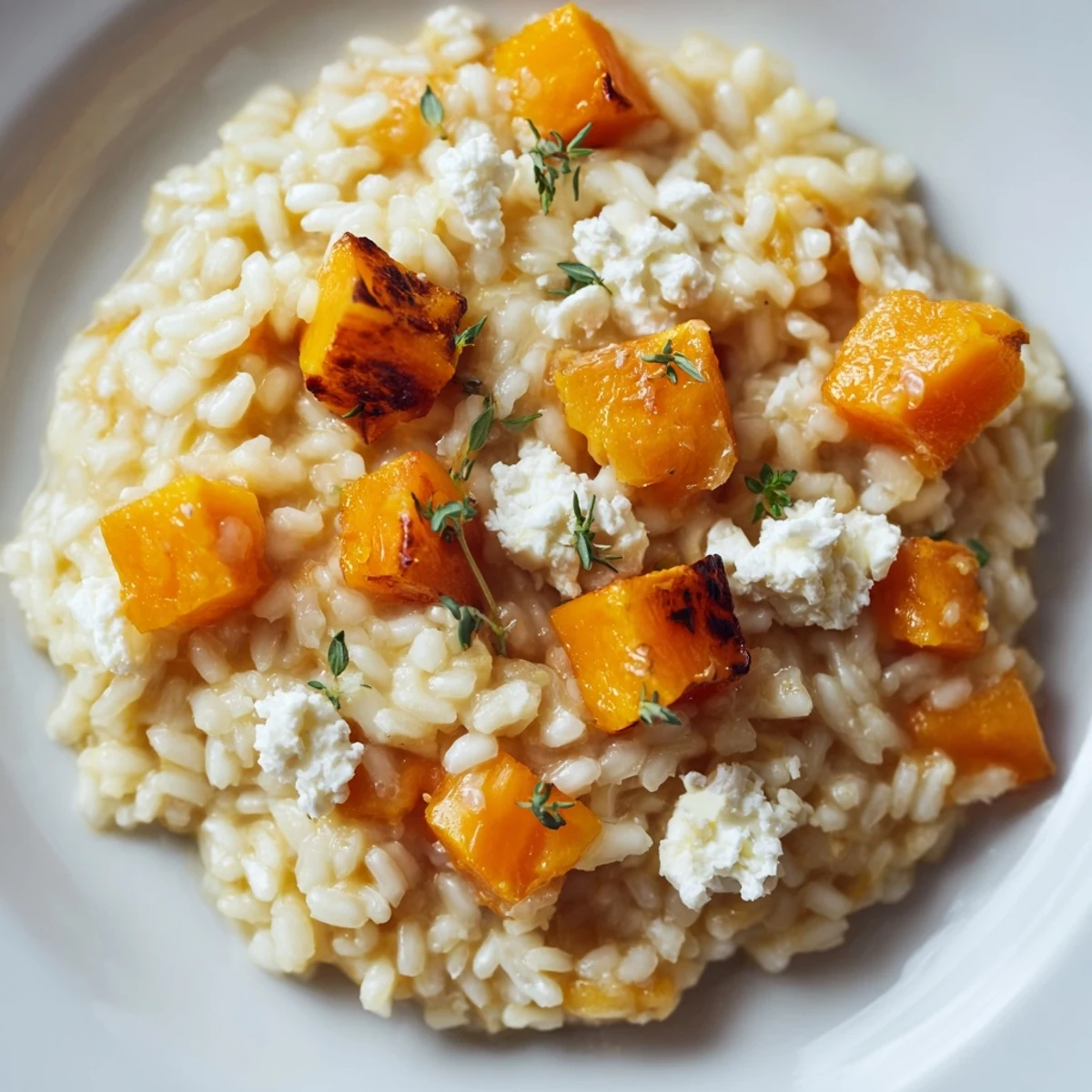
 This dish combines tender roasted butternut squash with creamy goat cheese for an elegantly comforting risotto. Arborio rice is toasted and simmered slowly in vegetable stock and white wine, creating a rich, luscious texture. Fresh thyme adds herbal brightness, while Parmesan and butter enrich the finish. Perfect as a vegetarian main or hearty side, it offers a balanced blend of sweet and tangy flavors that pair well with crisp white wine.
There's something about the moment when risotto finally breaks into that perfect creaminess that feels like a small victory in the kitchen. I discovered this butternut squash and goat cheese combination on a chilly October evening when I had leftover roasted squash and a block of tangy goat cheese that seemed like they were meant to meet. The first spoonful, with its sweet squash and bright cheese notes, convinced me it deserved a permanent spot in my cooking rotation.
I made this for my sister's dinner party last fall, and I remember her standing in my kitchen, skeptical about the goat cheese in risotto until she took that first bite. She went quiet for a moment, then asked for the recipe before dessert even came out. That's when I knew I'd stumbled onto something special.
Ingredients
- 1 small butternut squash (about 700 g), peeled, seeded, and diced into 1 cm cubes: Roasting brings out the squash's natural sugars and gives it a golden, caramelized edge that transforms the entire dish.
- 1 small yellow onion, finely chopped: The base of your risotto's flavor, and the smaller dice matters because it melts into the rice more evenly.
- 2 cloves garlic, minced: Don't skip the garlic step; it needs its own moment to bloom with the thyme.
- 1 tablespoon fresh thyme leaves (or 1 teaspoon dried): Fresh thyme is worth seeking out here—it adds an earthy backbone that ties the sweet squash to the tangy cheese.
- 300 g (1½ cups) Arborio rice: Its starchy, short grains are what create that signature creamy risotto texture as you stir.
- 100 g (about 3.5 oz) goat cheese, crumbled: This is your flavor secret; the tanginess cuts through the richness and keeps the dish feeling bright.
- 40 g (about ⅓ cup) grated Parmesan cheese: Adds umami depth and helps create that silky finish.
- 2 tablespoons unsalted butter: Split between cooking and finishing; the second tablespoon at the end is what makes it taste restaurant quality.
- 1 litre (4 cups) vegetable stock, kept warm: Warm stock is essential—cold stock will shock the rice and break your creamy consistency.
- 125 ml (½ cup) dry white wine: The wine's acidity brightens everything and adds depth that you'd miss without it.
- 2 tablespoons olive oil: Use good quality olive oil; you'll taste it in the final dish.
- Salt and freshly ground black pepper, to taste: Season as you go, especially during the stock additions, so the flavors build properly.
Instructions
- Roast your squash to golden perfection:
- Preheat your oven to 200°C (400°F) and toss the diced butternut squash with 1 tablespoon olive oil, a pinch of salt, and pepper. Spread it on a baking sheet in a single layer and roast for 20–25 minutes until the edges are lightly browned and the flesh is tender. You'll know it's ready when a fork slides through easily.
- Build your flavor base:
- In your heavy saucepan, heat the remaining 1 tablespoon olive oil and 1 tablespoon butter over medium heat. Add the chopped onion and let it cook gently for 3–4 minutes until it turns translucent and smells sweet. Stir in the garlic and fresh thyme, cooking just 1 minute more so they release their fragrance.
- Toast the rice:
- Add your Arborio rice to the pan and stir constantly for about 2 minutes, letting each grain coat itself in the oil and butter. You'll notice the rice starts to smell nutty and the grains become slightly translucent at the edges—that's exactly what you want.
- Add the wine:
- Pour in the white wine and stir frequently until it's mostly absorbed into the rice. This takes about 2–3 minutes and is when the kitchen starts to smell seriously good.
- The patient stirring phase:
- Here's where risotto earns its reputation—add the warm vegetable stock one ladleful at a time, stirring frequently and waiting until each addition is mostly absorbed before adding the next. This takes 18–20 minutes total and while it sounds tedious, the constant stirring is what releases the rice's starch and creates the creamy texture. Don't rush this; taste the rice around minute 18 to see if it's tender with a slight firmness in the center.
- Finish with elegance:
- When the rice is creamy and al dente, gently fold in your roasted butternut squash. Take the pan off the heat and stir in the goat cheese, Parmesan, and remaining 1 tablespoon butter until everything is melted and silky. Taste and season with salt and pepper.
- Serve it immediately:
- Risotto waits for no one—dish it up right away into warm bowls, and if you like, top with a scatter of fresh thyme leaves and an extra crumble of goat cheese.
 Pin it
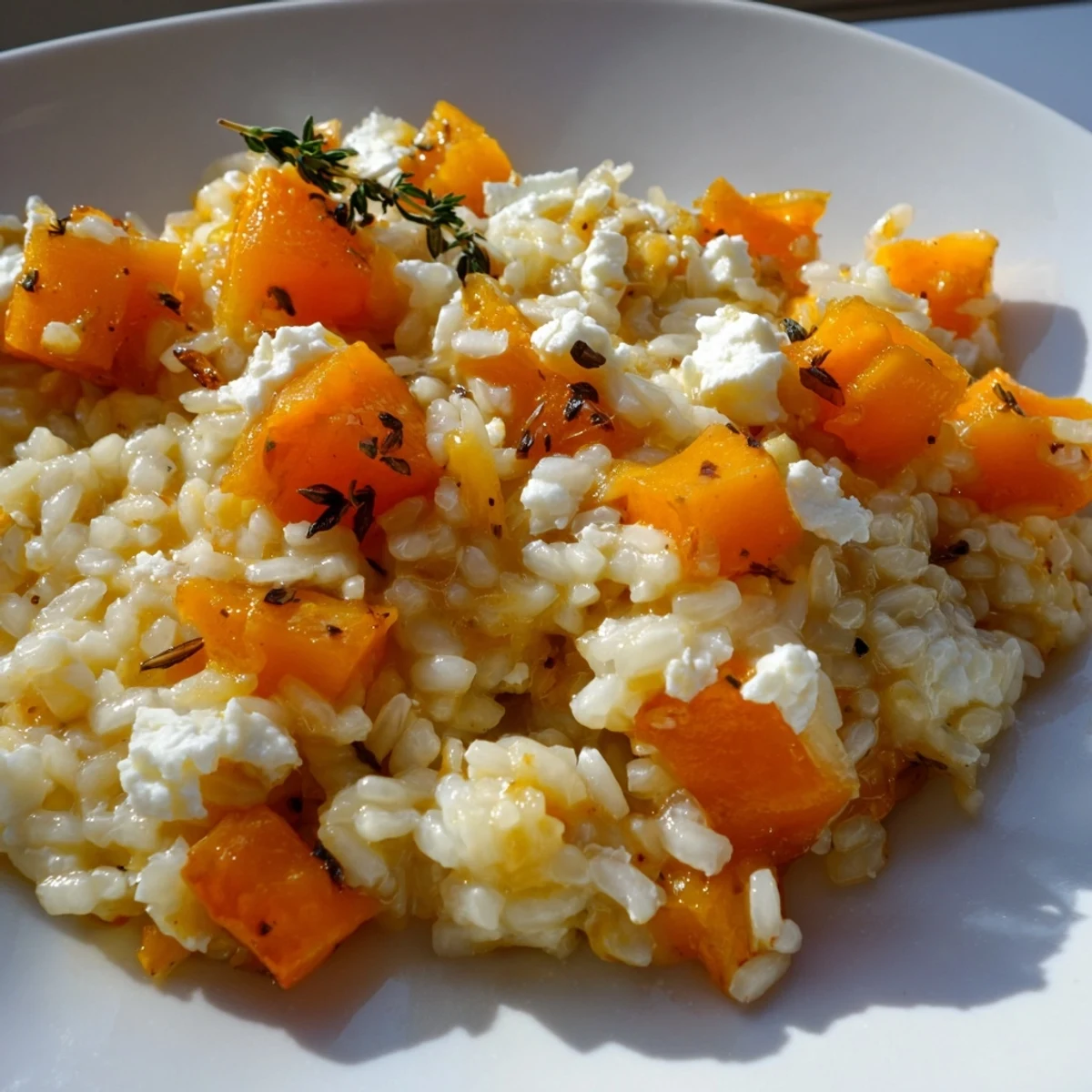
 There was one night when I served this to my neighbor, who'd been skeptical about vegetarian dinner, and watching her go back for seconds told me that good food has a way of changing minds. That's when risotto stopped being just a recipe in my kitchen and became something that brings people together.
Why This Risotto Feels Luxurious
Risotto has this reputation for being fancy or difficult, but honestly, it's just rice that's had patience applied to it. The combination of squash and goat cheese feels restaurant-quality without requiring any special techniques—you're just letting the ingredients do their work while you stir. Every element earns its place: the squash brings sweetness and body, the goat cheese adds sophistication and tang, and the stirring creates that unmistakable creamy finish that makes people think you've been cooking all day.
Stretching and Adapting This Recipe
Once you understand how risotto works, you can play with it endlessly. I've made versions with roasted carrot instead of squash, swapped the goat cheese for ricotta on nights when I wanted something milder, and even stirred in crispy sage leaves at the end for extra texture. The basic technique stays the same—it's the vegetables and cheese that change. Sweet potato works beautifully if butternut squash isn't what you have on hand, and honestly, the roasting step is what really matters; it's worth taking the extra 25 minutes because that's what makes the dish taste like autumn in a bowl.
The Details That Matter Most
It's easy to think risotto is just about following steps, but it's really about paying attention. Listen to how the liquid sounds as it absorbs, notice the smell of the rice as it toasts, feel how the stirring rhythm changes as the rice becomes creamier. These small sensory cues tell you more than any timer could. The final tablespoon of butter and that moment when you fold in the cheeses off the heat—these finishing touches are what separate pretty good from absolutely craveable.
- For extra richness on special occasions, add a splash of cream in the last minute of stirring.
- Crispy walnuts or pecans scattered on top add a textural surprise that guests always love.
- A glass of the same Sauvignon Blanc or Pinot Grigio you cooked with pairs perfectly alongside.
 Pin it
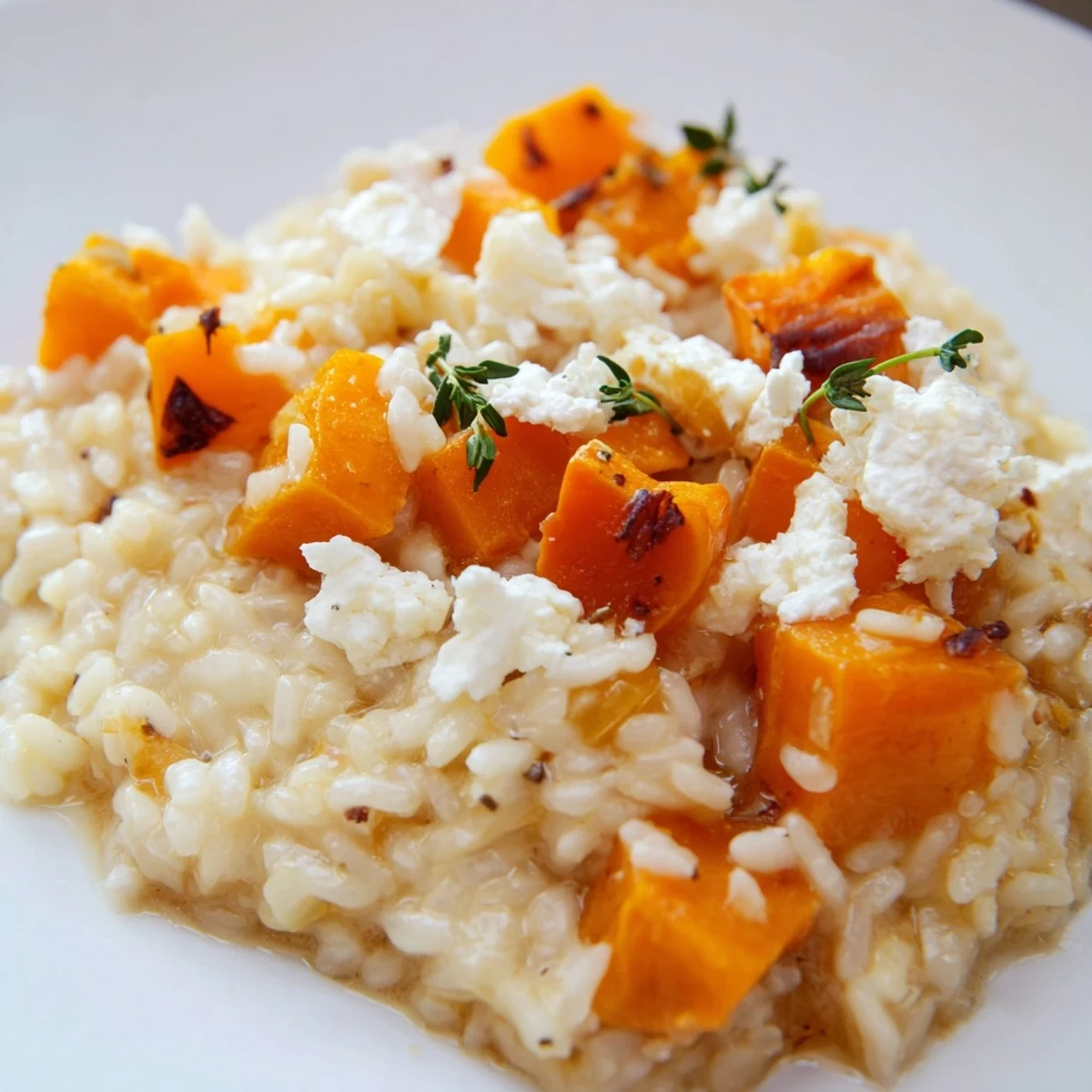
 There's something deeply satisfying about a bowl of risotto that's creamy without being heavy, elegant without demanding a special occasion, and absolutely worth the 20 minutes of stirring. Once you've made it, you'll find yourself reaching for this recipe again and again.