
 Pin it
 This velvety soup combines the sweetness of roasted butternut squash with the tartness of apples, creating a perfectly balanced flavor profile. The vegetables are roasted until caramelized, then blended with sautéed onions, garlic, and warming spices like cinnamon and nutmeg.
The result is a silky, comforting soup that's both vegetarian and gluten-free. Ready in just an hour, it can be customized with various garnishes like cream swirls, toasted pumpkin seeds, or fresh thyme. Perfect for chilly days and easily adaptable for vegan diets by using coconut cream.
The autumn leaves were just starting to turn when I first attempted this butternut squash and apple soup. Standing in my kitchen with a massive squash and a pile of tart green apples, I wasn't sure what I'd created would work. The aroma of roasting squash and warm spices filled every corner of my small apartment, and that's when I knew this experiment would become a seasonal tradition.
Last November, my neighbor knocked on my door during a power outage, drawn by the scent of this soup I was finishing on my gas stove. We ended up sharing bowls by candlelight, our conversation punctuated by appreciative murmurs as steam rose from our spoons. Sometimes the most memorable meals happen when you least expect them.
Ingredients
- Butternut squash: Look for one with a matte skin without green streaks, which Ive learned indicates its properly ripened and will give you that perfect natural sweetness.
- Granny Smith apples: Their tartness balances the squashs sweetness perfectly, a trick my grandmother taught me when I complained my first attempt was too one-dimensional.
- Yellow onion: The subtle sweetness that develops when you patiently cook it down creates an essential foundation for the entire soup.
- Cinnamon and nutmeg: These warming spices transform this from a simple pureed soup into something that feels like a warm hug on a cold day.
Instructions
- Roast with intention:
- Preheat your oven to 400°F and toss those squash cubes and apple pieces with olive oil, salt, and pepper. The magic happens when they caramelize, so give them space on that baking sheet.
- Build your flavor base:
- While the roasting happens, slowly cook down your onion until its translucent and your kitchen smells sweet and inviting. When you add the garlic and spices, youll get an immediate aromatic reward.
- Merge and simmer:
- Combining the roasted elements with your spiced onion mixture is where the alchemy happens. Let everything bubble gently together, allowing the flavors to meld.
- Blend to velvet:
- Take your time when pureeing, moving the immersion blender slowly to incorporate air for that silky texture. If using a countertop blender, be careful with the hot liquid and work in batches.
- Finish with flair:
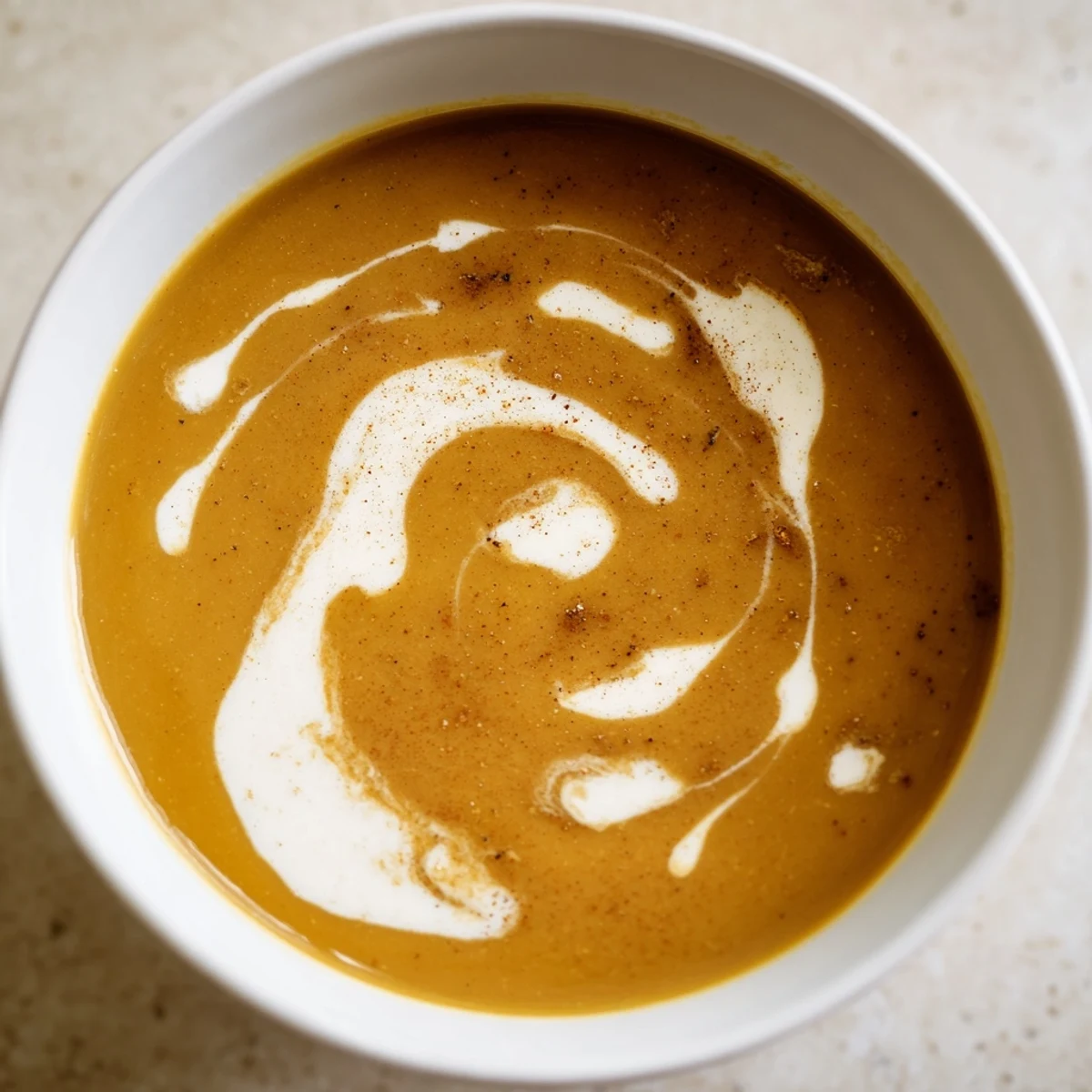
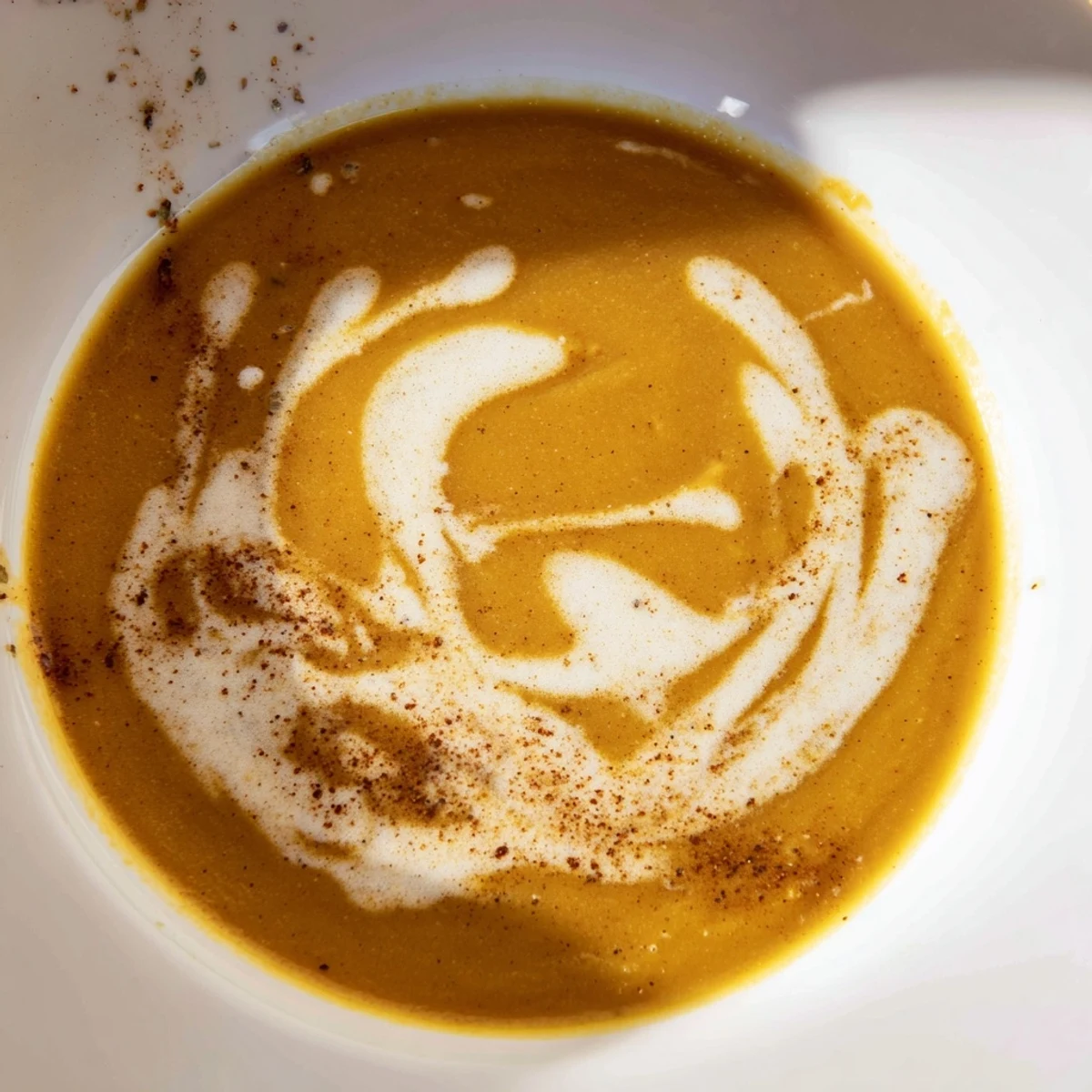
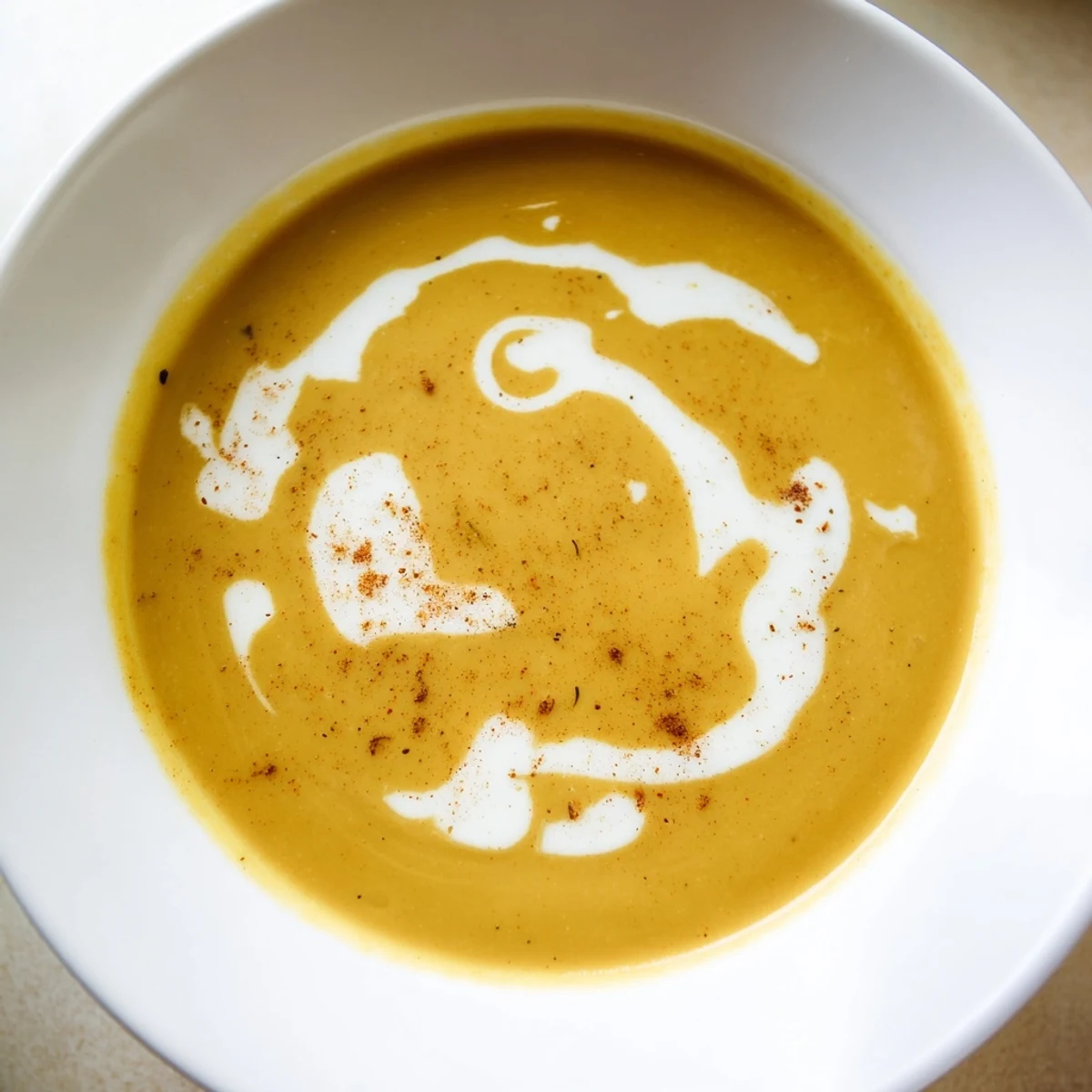
- The swirl of cream isnt just for looks, it adds a richness that balances the natural sweetness. I like watching it create marble patterns as it meets the orange soup.
 Pin it
 My sister-in-law, who claims to despise both squash and cooked fruit, helped herself to seconds and then asked for the recipe after I served this at a casual Sunday lunch. The pot was empty before the main course even made it to the table, and now its become the requested starter at our family gatherings.
Texture Secrets
Ive found the key to silky soup is patience with the blending process rather than adding more cream. Sometimes I let the immersion blender run for what feels like too long, but those extra 30 seconds transform the consistency from merely smooth to luxuriously velvety.
Make-Ahead Magic
This soup actually improves after a day in the refrigerator, as the spices have time to deepen and meld. Ive made it up to three days before a dinner party, which not only saves me time but delivers even better flavor than serving it immediately after cooking.
Serving Suggestions
While perfectly delightful on its own, this soup creates a memorable meal when paired thoughtfully with complementary flavors and textures.
- Serve smaller portions in espresso cups as a sophisticated appetizer at autumn gatherings.
- A grilled cheese sandwich with sharp cheddar and thinly sliced apples makes this soup the star of a comforting lunch.
- For dinner parties, set up a topping bar with toasted pumpkin seeds, crumbled bacon, fresh herbs, and various creams so guests can customize their bowls.
 Pin it
 This butternut squash and apple soup has taught me that sometimes the simplest ingredients, treated with care, create the most memorable meals. I hope it warms your home and heart the way it has mine.
Recipe FAQ
- → Can I make this soup ahead of time?
-
Yes, this soup stores excellently. You can make it up to 3 days ahead and refrigerate in an airtight container. The flavors often deepen overnight, making it even more delicious the next day. Reheat gently on the stovetop or microwave until hot.
- → How can I make this soup vegan?
-
To make this soup vegan, simply use coconut cream instead of heavy cream for garnishing. The rest of the ingredients are already plant-based, as the soup calls for vegetable broth rather than chicken stock.
- → What can I serve with butternut squash and apple soup?
-
This soup pairs wonderfully with crusty bread, a grilled cheese sandwich, or a simple green salad. For a more substantial meal, add a grain-based side dish like quinoa or farro.
- → Can I freeze this soup?
-
Absolutely! This soup freezes very well for up to 3 months. Cool completely before transferring to freezer-safe containers, leaving some room for expansion. Thaw overnight in the refrigerator and reheat gently, adding a splash of broth if needed to adjust consistency.
- → What type of apples work best in this soup?
-
Tart apples like Granny Smith work best as they provide a nice contrast to the sweetness of the butternut squash. However, you can also use Honeycrisp, Braeburn, or Pink Lady varieties. Avoid overly sweet apples as they might make the soup too sweet overall.
- → Can I use pre-cut butternut squash to save time?
-
Yes, pre-cut butternut squash works perfectly in this recipe and is a great time-saver. Just adjust the roasting time if the pre-cut pieces are smaller than what the recipe calls for, checking for tenderness earlier.