
 Pin it
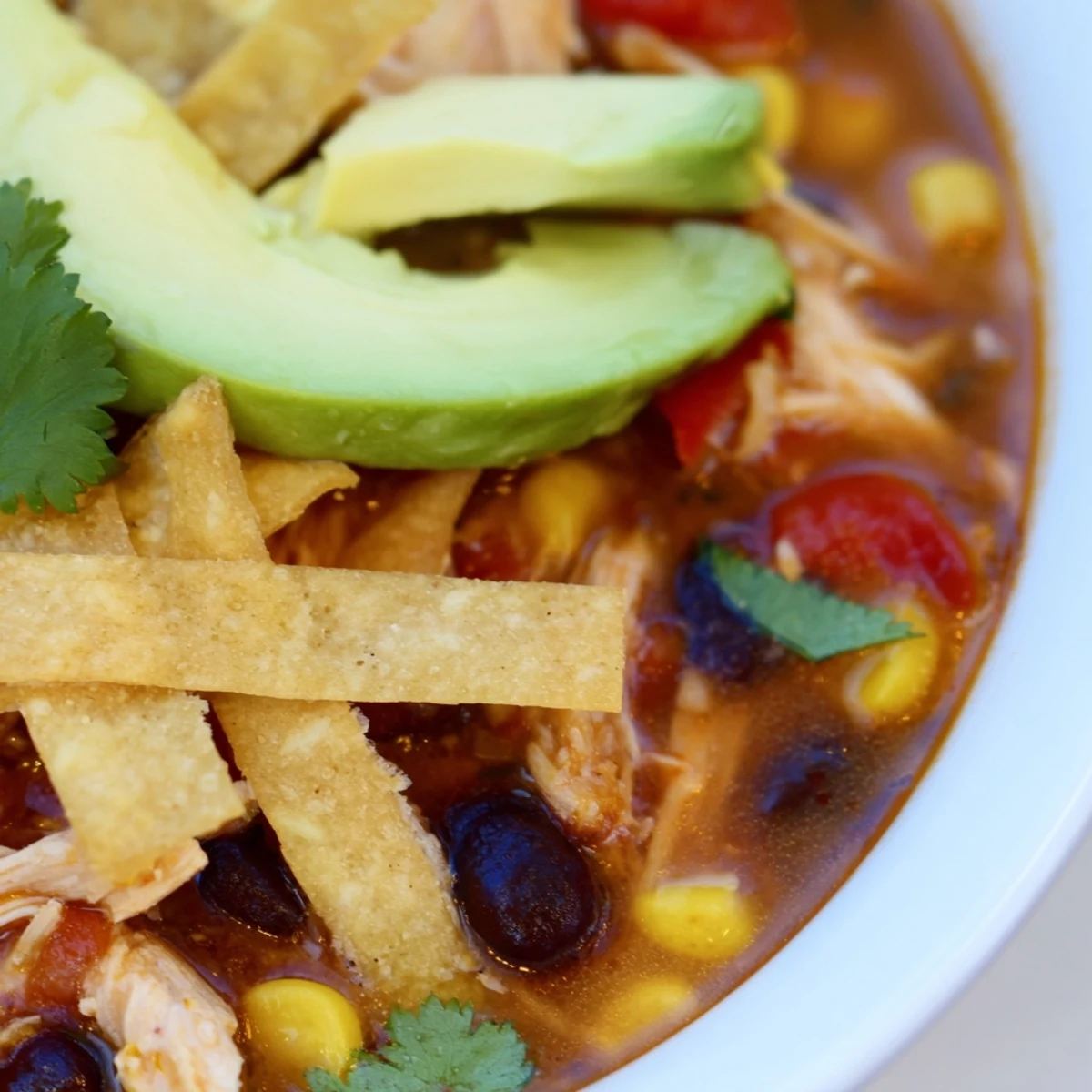
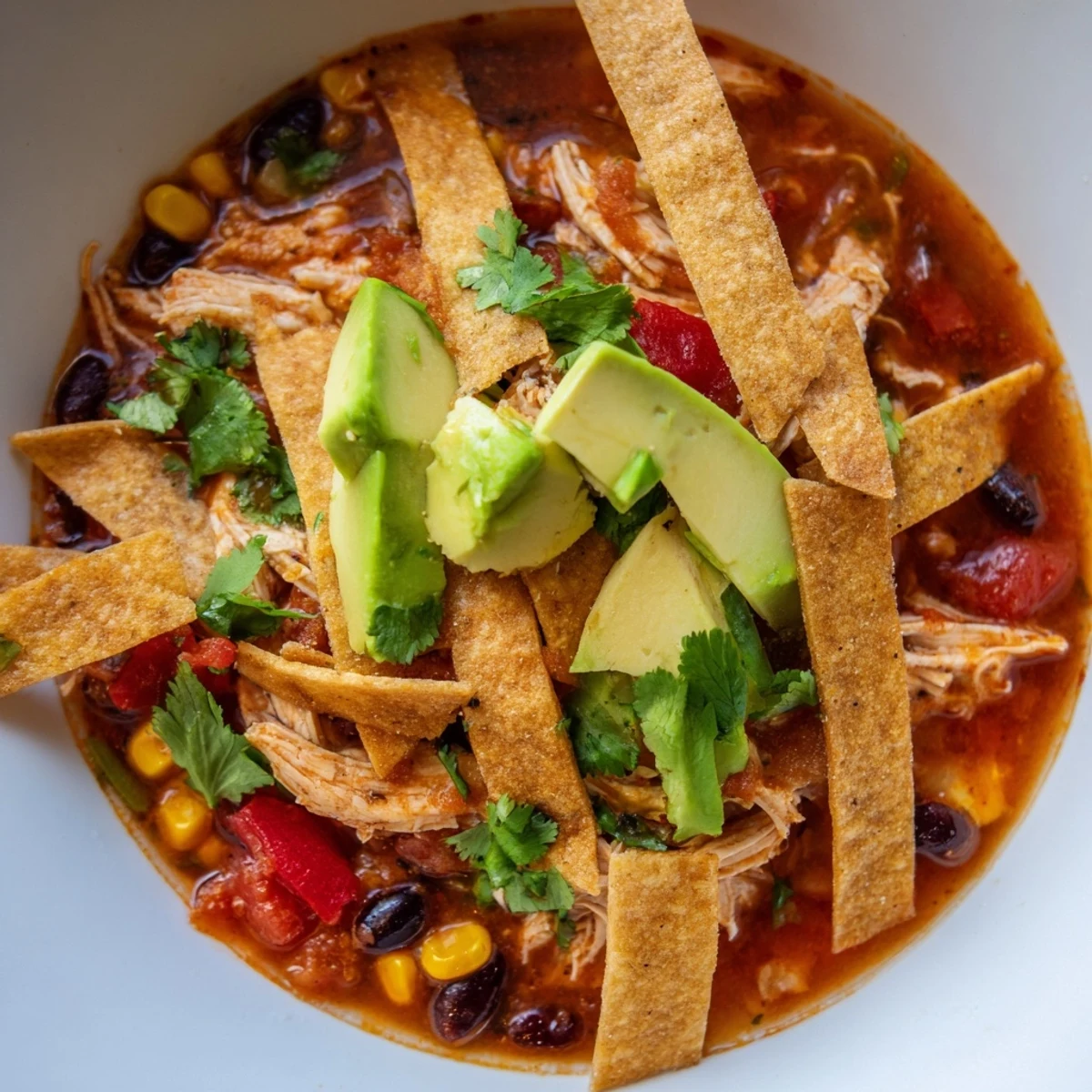
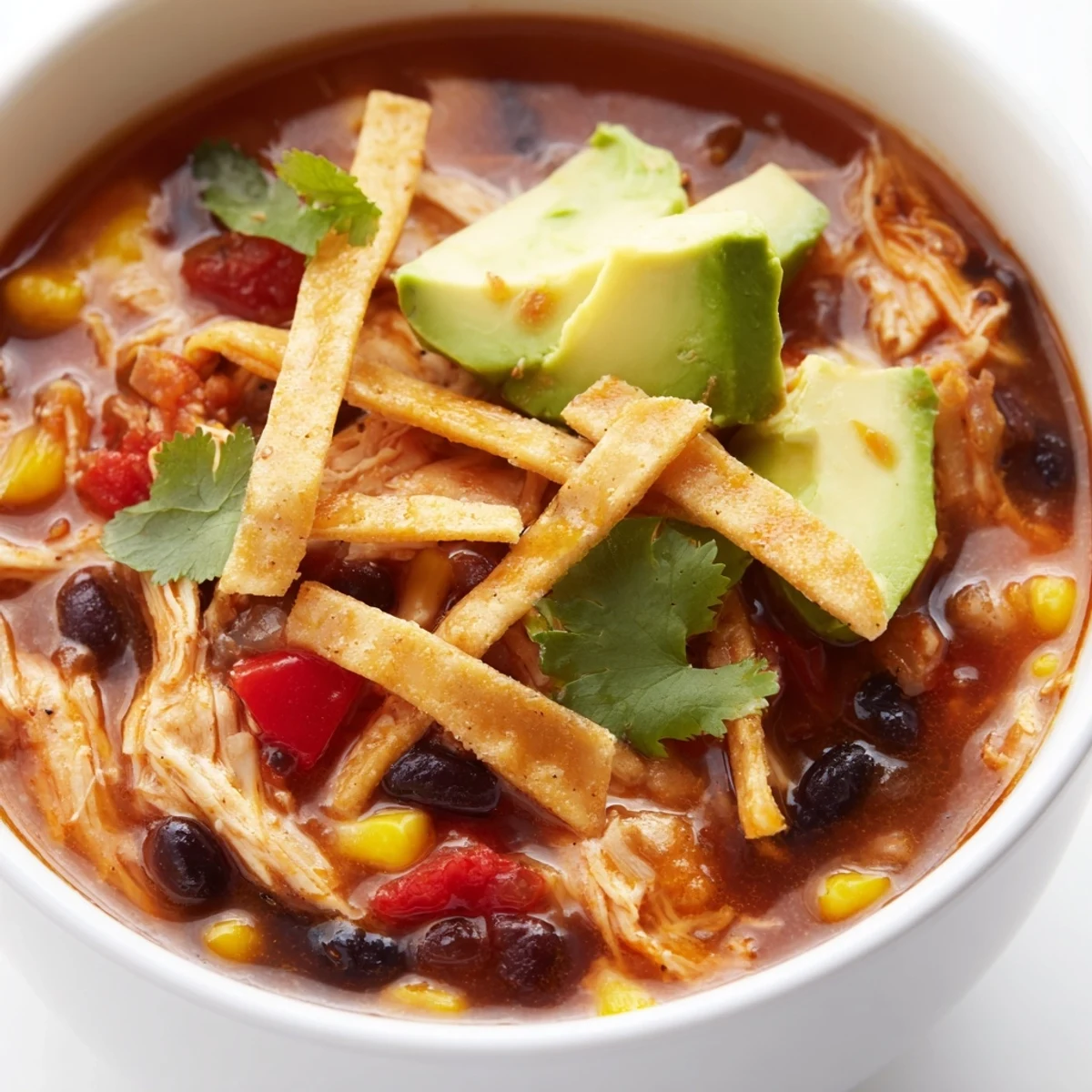
 This vibrant Mexican-inspired dish combines tender chicken simmered with diced tomatoes, corn, black beans, and a blend of warm spices like cumin, chili powder, and smoked paprika. Crispy corn tortilla strips add a satisfying crunch, complemented by fresh garnishes such as cilantro, avocado, and lime. The layers of flavors offer a comforting and colorful bowl perfect for a quick, easy meal that delivers rich textures and bold tastes with minimal prep time.
One rainy afternoon, my neighbor brought over a bowl of tortilla soup so good I asked for the recipe on the spot. She laughed and said it wasn't anything fancy—just good timing with ingredients and the secret of crispy strips scattered on top. That first spoonful was pure comfort: warm, tangy, with that satisfying crunch that made me understand why she'd kept the recipe to herself for so long. Now I make it whenever someone needs lifting up.
I made this for my kids on a weeknight when someone had a rough day at school, and watching them abandon their phones for steaming bowls told me everything. The lime juice was the thing that made them come back for more—that bright hit at the end seemed to reset something. Food doesn't always fix things, but it can buy you a moment together at the table, and that matters more than you realize.
Ingredients
- Boneless, skinless chicken breasts (2, about 400 g): Go for ones that are roughly the same thickness so they cook evenly; if one side is much thicker than the other, gently pound it down.
- Olive oil (1 tablespoon): This is just for searing the chicken, so it doesn't need to be your most expensive bottle, but use something you'd actually taste.
- Yellow onion (1 medium, diced): The sweetness of yellow onions softens as they cook, giving the soup a gentle backbone without overpowering it.
- Garlic cloves (3, minced): Fresh garlic transforms completely when you cook it; add it after the softer vegetables so it doesn't burn and turn bitter.
- Red bell pepper (1, diced): The red ones are sweeter and more flavorful than green, and they add natural color that makes the soup look as good as it tastes.
- Jalapeño (1, seeded and minced, optional): Leave the seeds in if you like real heat, take them out for just a whisper of warmth—this is your call.
- Canned diced tomatoes (400 g): Use the good kind without added sugar; you'll taste the difference and the soup won't end up sickly sweet.
- Corn kernels (120 g, frozen or canned): Frozen actually works better than canned because it holds its texture longer in the simmering broth.
- Black beans (400 g, canned): Rinsing them really matters—it washes away the starchy liquid that can cloud your soup and make it feel heavy.
- Chicken broth (1 liter): Low-sodium is your friend here because you're adding salt and spices; you can always taste and adjust at the end, but you can't take out salt once it's in.
- Tomato paste (2 tablespoons): This is what gives the soup its deep, concentrated tomato flavor; don't skip it thinking the canned tomatoes are enough.
- Lime juice (from 1 lime): Squeeze it fresh right before serving—bottled lime juice tastes like regret compared to the real thing.
- Ground cumin (1 teaspoon): Toast it in the pot for 30 seconds with the other spices so it wakes up and gives the soup its authentic warmth.
- Chili powder (1 teaspoon): This is different from cayenne; it's mellower and gives that authentic Mexican soup flavor.
- Smoked paprika (1/2 teaspoon): If you can't find smoked, regular paprika works, but you'll lose that subtle smoky note that makes people ask what your secret is.
- Dried oregano (1/2 teaspoon): Mexican oregano is earthier than Mediterranean oregano if you can find it, but either way it adds a gentle herbal note.
- Corn tortillas (4 small, cut into strips): Fresh tortillas crisp up faster and taste better, but stale ones work too—they might just need an extra minute in the oven.
- Vegetable oil (2 tablespoons, for crisping): You need an oil that can handle oven heat without smoking; vegetable or canola works perfectly.
Instructions
- Get those strips golden first:
- Heat your oven to 200°C (400°F). Toss your tortilla strips with oil and salt, spread them out on a baking sheet in a single layer, and bake for 8–10 minutes, stirring halfway through. You're looking for them to be golden and crispy, not brown and hard—trust your nose on this one.
- Sear the chicken without fully cooking it:
- Season your chicken breasts with salt and pepper. In a large pot over medium heat, warm the olive oil until it shimmers, then add the chicken and let it sit for 3–4 minutes per side until it's golden on the outside but still pale inside. You're not cooking it through yet; you're just getting a nice crust.
- Build the flavor base with the vegetables:
- In that same pot with the chicken drippings, add the diced onion, red bell pepper, and jalapeño. Let them soften for 4–5 minutes, stirring occasionally, then add the minced garlic and cook for just 1 minute more so it softens without burning.
- Toast the spices to wake them up:
- Sprinkle in the cumin, chili powder, smoked paprika, and oregano. Stir constantly for about 30 seconds—you'll smell the moment they come alive, and that's your signal to move on before they scorch.
- Add everything wet and let it marry:
- Pour in the diced tomatoes, tomato paste, chicken broth, corn, and black beans. Stir everything together, then nestle the chicken breasts back into the pot. Bring it to a gentle simmer, cover it, and let it cook for 15–20 minutes until the chicken is cooked through and tender.
- Shred and finish with brightness:
- Remove the chicken to a cutting board and shred it with two forks—it should pull apart easily. Stir the shredded chicken back into the pot, then squeeze in the lime juice and taste for salt and pepper. This is your moment to adjust everything to your liking.
- Serve with texture and personality:
- Ladle the soup into bowls and top each one with a handful of those crispy tortilla strips while they're still crackling. Add whatever garnishes call to you—cilantro, avocado, cheese, sour cream—this is where people make it their own.
 Pin it
 There's something honest about a soup where people feel comfortable asking for seconds and actually finishing what's in their bowl. This one does that—it's nourishing without being heavy, flavorful without showing off, and forgiving enough that even small mistakes don't matter in the end.
Why Fresh Lime Matters More Than You Think
Lime juice is what separates this soup from tasting like every other tomato-based soup you've had. That acidic brightness doesn't just add flavor; it actually makes the other tastes pop in ways your brain notices even if you can't quite name it. I learned this the hard way when I once tried to use lemon juice as a substitute and ended up with something that felt flat no matter what else I added.
The Crispy Strip Secret
The tortilla strips are not just a topping—they're the textural anchor that makes every spoonful interesting. Stale tortillas actually work just as well as fresh ones, sometimes better, because they're drier going in and crisp up faster in the oven. If you make the soup ahead and the strips soften during storage, you can always toast them fresh in a dry skillet for a minute right before serving.
Variations That Feel Natural
Once you understand how this soup works, you can shift it in directions that feel right for whatever's in your kitchen or your mood. Rotisserie chicken is a brilliant shortcut if you're short on time—just skip the searing step and stir it in during the last 5 minutes so it warms through. The vegetables are flexible too; if you have zucchini, carrots, or even spinach, they'll find their place without throwing off the balance.
- Swap the black beans for pinto beans or kidney beans and the soup shifts in flavor but stays completely honest.
- Add a splash of hot sauce at the end if you want more kick, or leave it mild for people who find heat overwhelming.
- Vegetarian versions work beautifully if you use vegetable broth instead of chicken broth and let the soup simmer for an extra few minutes so all the flavors have time to get to know each other.
 Pin it
 This soup has taught me that good food doesn't need to be complicated or impressive—it just needs to taste like someone cared enough to get the details right. Make it for people you want to feed well, and watch what happens.