
 Pin it
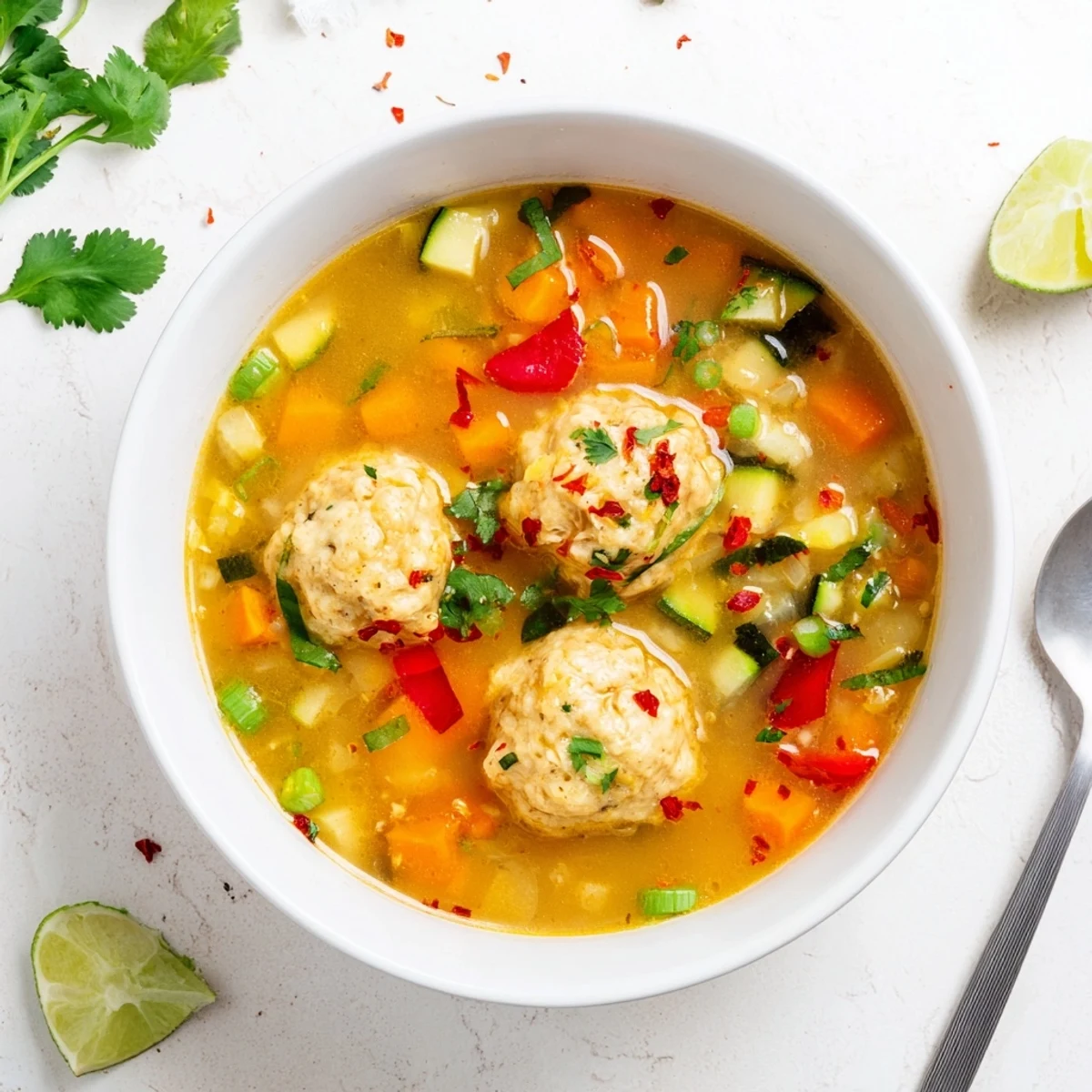
 This warming bowl combines rich coconut milk with yellow curry powder and turmeric, creating a fragrant broth loaded with vegetables. The crowning glory? Light, fluffy dumplings that steam right on top, absorbing all those beautiful spices while cooking. Perfect for chilly evenings when you need something hearty but not heavy.
The first time I made coconut curry soup, it was snowing sideways outside my tiny apartment window. I'd been craving something warm and healing after a particularly brutal week at work, and the idea of dumplings floating in fragrant broth felt like a hug I desperately needed. My roommate wandered in halfway through, drawn by the scent of toasted curry powder and coconut milk, and ended up staying for dinner. That snowy night, this soup became our winter ritual.
Last autumn, my sister came over feeling under the weather, and I instinctively reached for this recipe. She watched me drop the dumpling batter into the bubbling pot, skeptical about how flour and milk could transform into something so comforting. Twenty minutes later, she was spooning up thirds, declaring it the best medicine she'd ever had. Now every time she catches a cold, I get a very specific text message.
Ingredients
- Vegetable oil: A neutral base that lets the spices shine without competing flavors
- Onion, garlic, and ginger: The holy trinity of aromatics that builds layers of flavor from the ground up
- Yellow curry powder and turmeric: Toast these briefly in the hot oil to unlock their essential oils and deepen their earthy warmth
- Coconut milk: Full-fat creates that luxurious, restaurant-quality creaminess you want in a curry soup
- Vegetable broth: Use a good quality one you actually enjoy drinking on its own
- Flour and baking powder: These simple ingredients transform into cloud-like dumplings that steam perfectly in the broth
Instructions
- Build your flavor foundation:
- Heat oil in your largest pot over medium heat, then add chopped onion and let it soften until translucent, about 3 minutes. Stir in minced garlic and grated ginger, cooking just until fragrant—about 60 seconds—so they don't burn and turn bitter.
- Wake up the spices:
- Add curry powder and turmeric directly to the pot, stirring constantly for 30 seconds. You'll notice the scent intensify dramatically, which means those spices are releasing their essential oils and blooming.
- Add the vegetables:
- Toss in sliced carrot, diced bell pepper, and zucchini, sautéing for 2-3 minutes to soften them slightly. Pour in coconut milk and vegetable broth, then add soy sauce, lime juice, sugar, salt, and pepper.
- Make the dumpling batter:
- While soup heats, whisk flour, baking powder, salt, and cilantro in a bowl. Add milk and oil, mixing gently until just combined—overmixing makes tough dumplings, and we want pillowy clouds.
- Drop and steam:
- When soup reaches a gentle boil, reduce to a simmer and drop tablespoon-sized portions of batter directly into the broth. Cover tightly and simmer for 12-15 minutes—resist the urge to peek, or the dumplings will collapse.
 Pin it
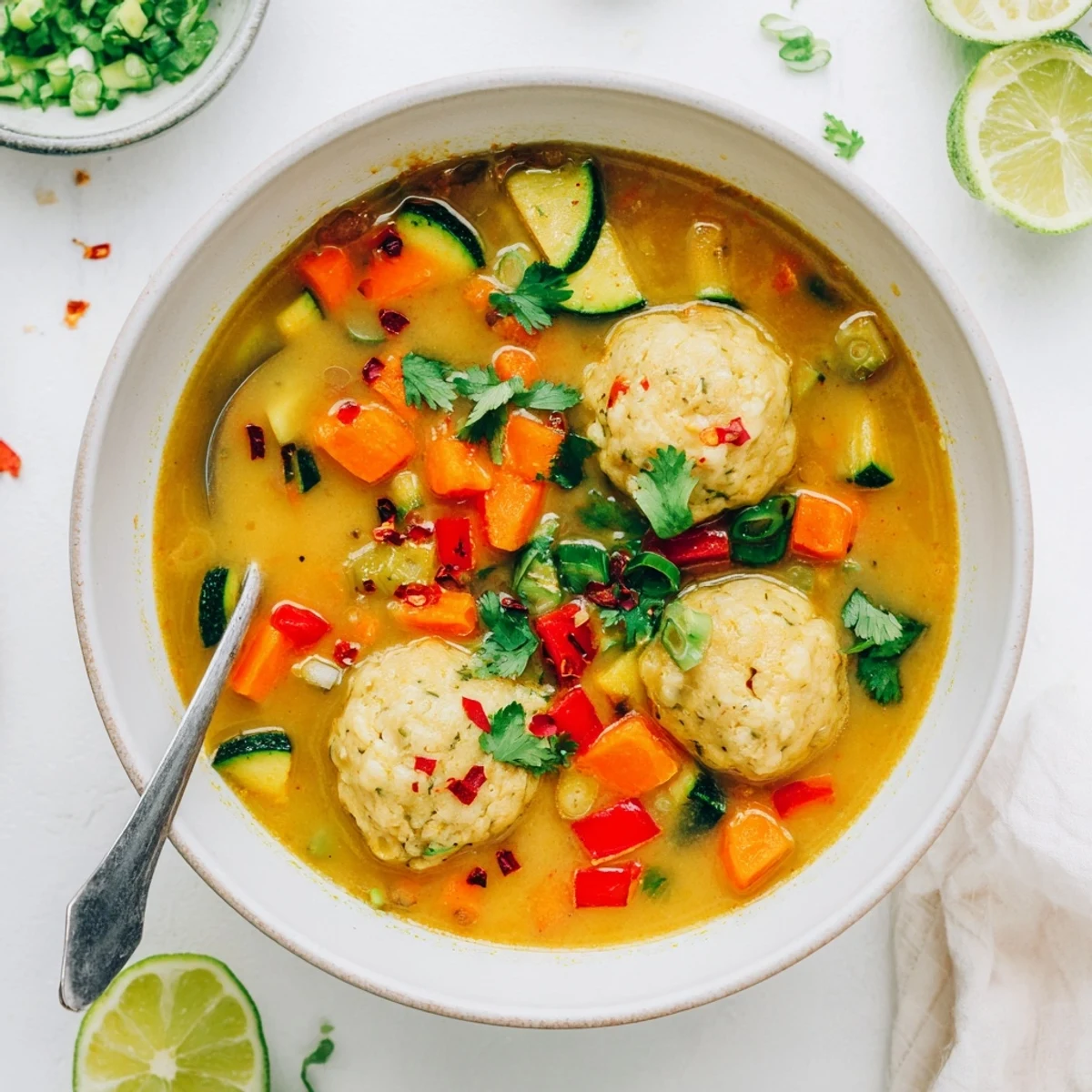
 This soup has become my go-to for new mothers, sick friends, and anyone who needs reminding that food can be medicine. Something about tearing off a piece of steamy dumpling, dunking it into the aromatic broth, and letting it all warm you from the inside out feels fundamentally healing. I've had friends request it for birthday dinners and breakup recoveries alike.
Making It Your Own
I've learned that the beauty of this soup lies in its flexibility. Sometimes I'll add cubed tofu or cooked chickpeas if I want more protein, especially when serving it as a main course. In summer, I use whatever vegetables overflow from my garden—green beans, corn, even diced sweet potato all work beautifully.
Timing Is Everything
The most common mistake I see is people rushing the dumpling step. Make sure your soup is at a gentle simmer, not a rolling boil, before dropping in the batter. Too vigorous, and the dumplings will cook unevenly or fall apart before they set. And please, trust me about not lifting that lid—the steam is what makes them puff up so perfectly.
Leftovers And Storage
This soup actually tastes better the next day as the spices meld and the dumplings soak up more flavor. Store leftovers in the refrigerator for up to 3 days, though the dumplings will soften considerably—some people prefer this texture even more. Reheat gently over medium-low heat, adding a splash of broth or water if it's too thick.
- The dumplings will continue to absorb liquid in the fridge, so you may need to thin leftovers with extra broth
- Freeze the soup base without dumplings for up to 2 months, then make fresh dumplings when reheating
- Always finish reheated portions with fresh lime juice to wake up the flavors again
 Pin it
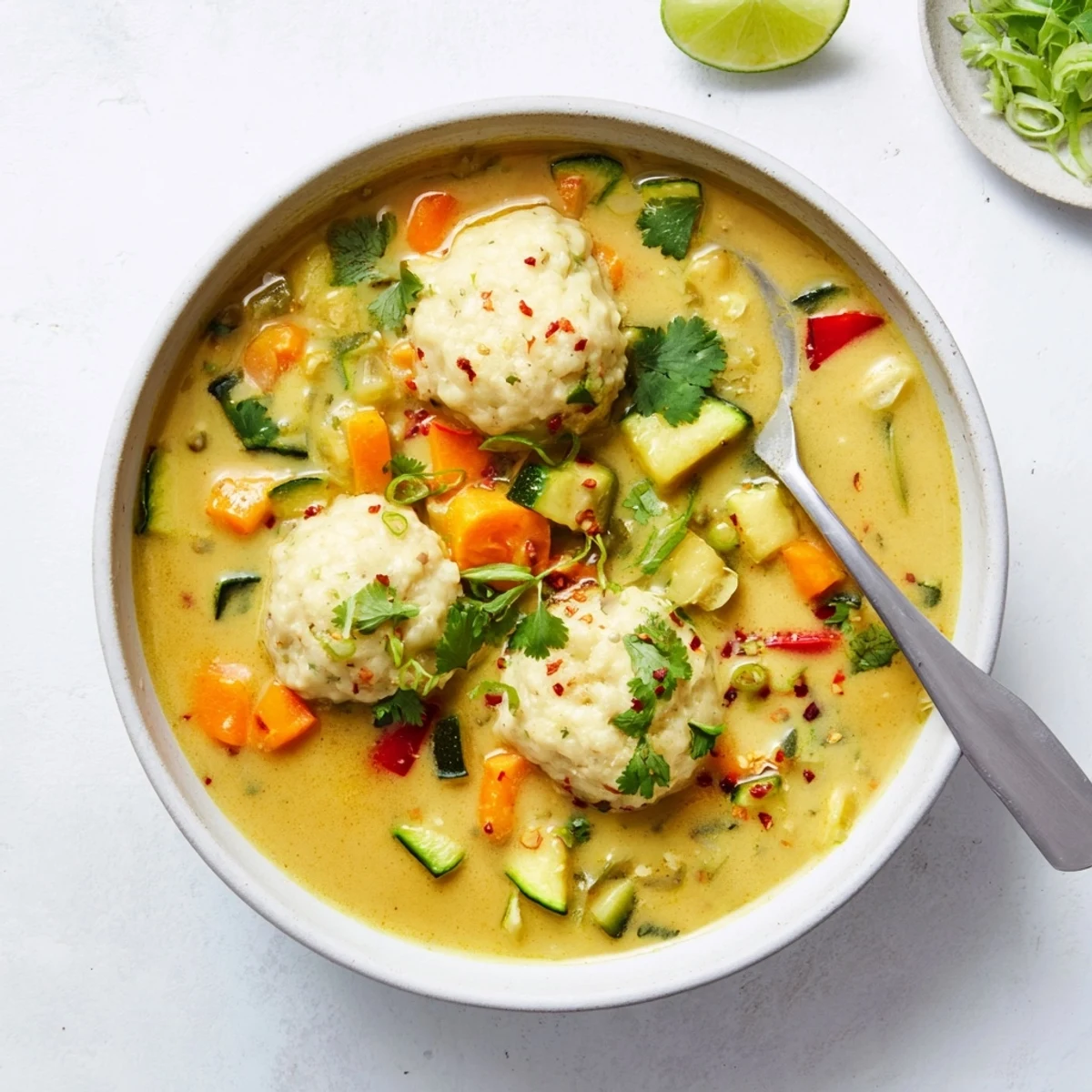
 There's something profoundly satisfying about ladling steaming soup into bowls, watching steam curl up in the kitchen light, and knowing you've created something that will wrap everyone at the table in warmth. I hope this recipe finds you on a cold night, or a hard one, and becomes whatever you need it to be.
Recipe FAQ
- → Can I make the dumplings gluten-free?
-
Yes, simply substitute the all-purpose flour with a gluten-free flour blend and use tamari instead of soy sauce. The texture remains light and tender.
- → How do I store leftovers?
-
Store in an airtight container in the refrigerator for up to 3 days. The dumplings will absorb more liquid, so you may need to add extra broth when reheating.
- → Can I add protein to this soup?
-
Absolutely! Cubed tofu, cooked chickpeas, or shredded chicken work beautifully. Add them during step 5 so they heat through while the soup simmers.
- → What vegetables work best in this curry soup?
-
Carrots, bell peppers, and zucchini are classic choices, but sweet potatoes, spinach, cauliflower, or green beans also complement the coconut curry base beautifully.
- → Can I make this soup spicier?
-
Yes! Add fresh minced chili peppers, red pepper flakes, or a dash of your favorite hot sauce during step 3. Adjust the amount based on your heat preference.
- → Why shouldn't I lift the lid while dumplings cook?
-
Keeping the lid trapped allows the dumplings to steam properly. Lifting it releases the steam and can cause the dumplings to become dense or undercooked.