
 Pin it
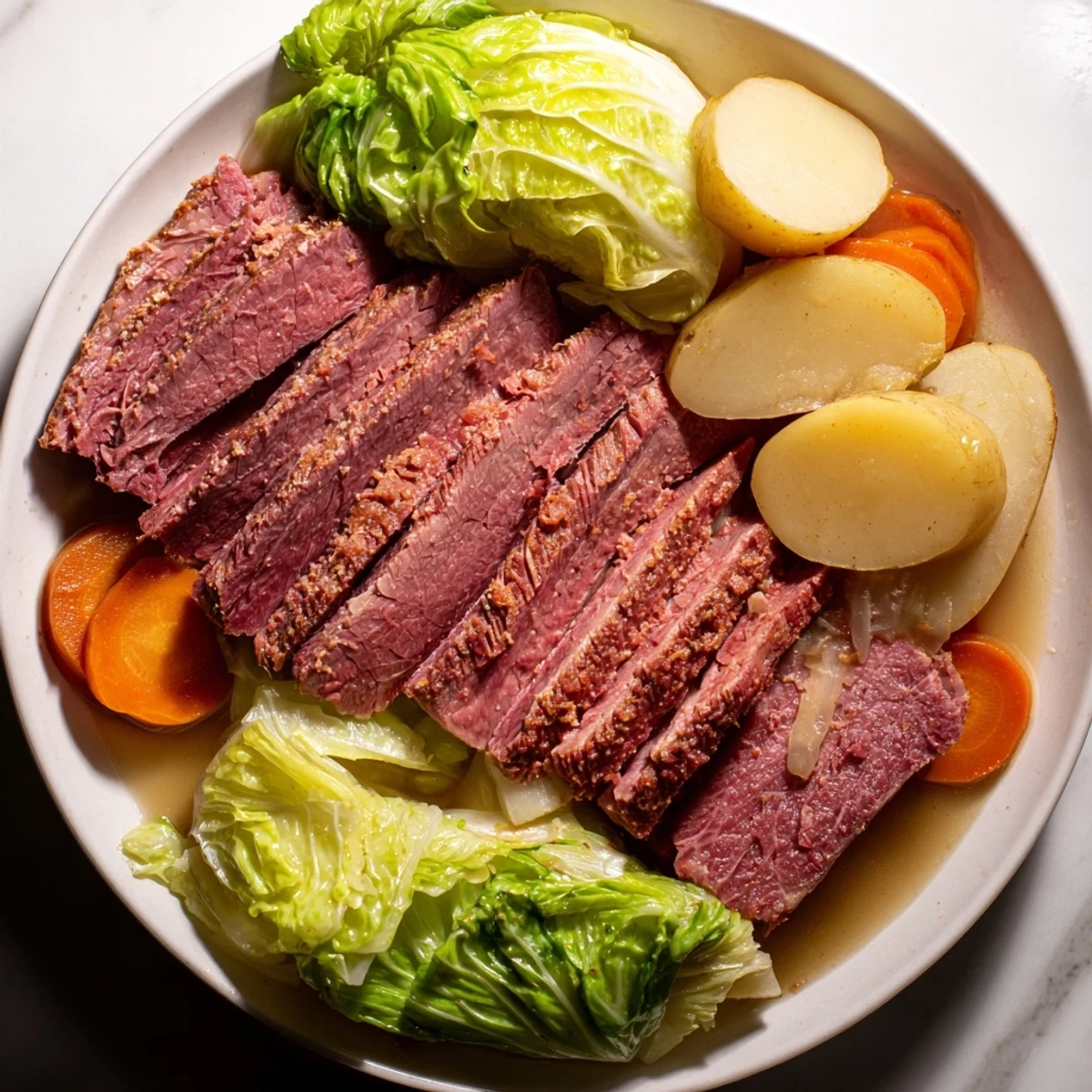
 This classic Irish-American dish features tender corned beef brisket slowly braised with fresh cabbage, golden potatoes, and sweet carrots. Simmered with aromatic spices like bay leaves, mustard seeds, and peppercorns, it develops deep, comforting flavors. After resting, the brisket is sliced and served alongside the vegetables, making a hearty and satisfying meal perfect for gathering. Optional additions like Irish stout or grainy mustard add extra character.
The first time I made corned beef and cabbage, I accidentally bought a flat-cut instead of point-cut brisket and worried for hours that I'd ruined the entire meal. My grandmother just laughed and said the beef doesn't care about names, only patience.
Last St. Patrick's Day, my neighbor smelled the simmering spices and ended up bringing over a fresh loaf of soda bread. We ended up feeding both our families around my tiny kitchen table, laughing about how the best meals always seem to happen by accident.
Ingredients
- 3 lbs corned beef brisket with spice packet: I learned to rinse it first under cold water to remove excess salt, which prevents that overly salty bite that can overpower everything else
- 1 medium green cabbage cut into wedges: Keep the core intact when cutting so the wedges hold together during cooking instead of falling apart into the broth
- 6 medium Yukon Gold potatoes peeled and halved: These hold their shape better than Russets and have such a creamy texture that absorbs the spiced cooking liquid beautifully
- 4 large carrots peeled and cut into 2-inch pieces: Cut them slightly larger than you think you need because they shrink quite a bit during the long simmer
- 2 large yellow onions peeled and quartered: The onions become incredibly sweet and tender, almost melting into the broth and adding subtle depth to every element
- 3 garlic cloves peeled: Whole cloves mellow out as they simmer, infusing the broth without any harsh raw garlic taste
- 12 cups water: Using water instead of broth keeps the beef's natural flavor forward, though sometimes I swap in a bottle of stout for extra richness
- 2 bay leaves: These add an earthy backbone that ties all the spices together without being identifiable in the final dish
- 8 black peppercorns: Whole peppercorns provide gentle heat throughout the cooking process rather than aggressive spiciness
- 1 tsp mustard seeds optional: I started adding these after an Irish friend mentioned they're traditional, and they really do add something special to the broth
Instructions
- Get the beef started:
- Place the corned beef in your largest pot or Dutch oven along with the spice packet, bay leaves, peppercorns, mustard seeds if using, garlic cloves, and onion quarters. Pour in enough water to cover everything by about an inch, then bring it to a boil over high heat before dropping it down to the gentlest simmer possible.
- Let it cook low and slow:
- Cover the pot and maintain that bare simmer for about 2.5 hours, skimming any foam that rises to the surface. The liquid should barely bubble, and I check occasionally to make sure it hasn't reduced too much.
- Add the hard vegetables:
- Toss in the potatoes and carrots, letting them cook for about 20 minutes until they start becoming fork-tender. This timing prevents them from turning into mush while the beef finishes cooking.
- Add the cabbage last:
- Gently nestle the cabbage wedges into the broth and cook for another 20 to 25 minutes until everything is tender and the beef yields easily to a fork. The cabbage should be wilted but still have some structure, not completely falling apart.
- Rest before slicing:
- Lift the corned beef onto a cutting board and let it rest for 10 minutes. This step feels impossible when everyone's hungry, but it keeps the meat juicy and makes slicing so much easier.
- Bring it all together:
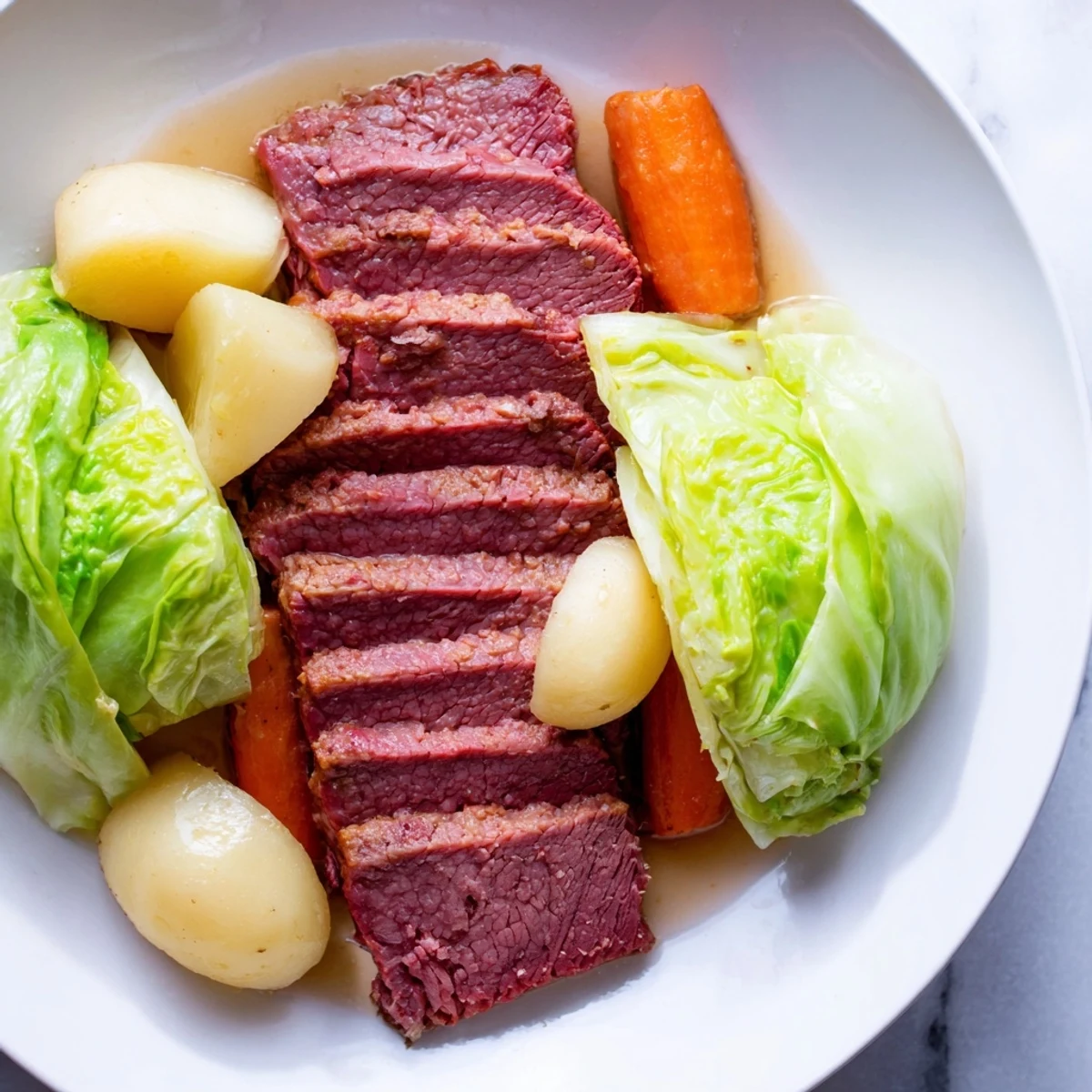
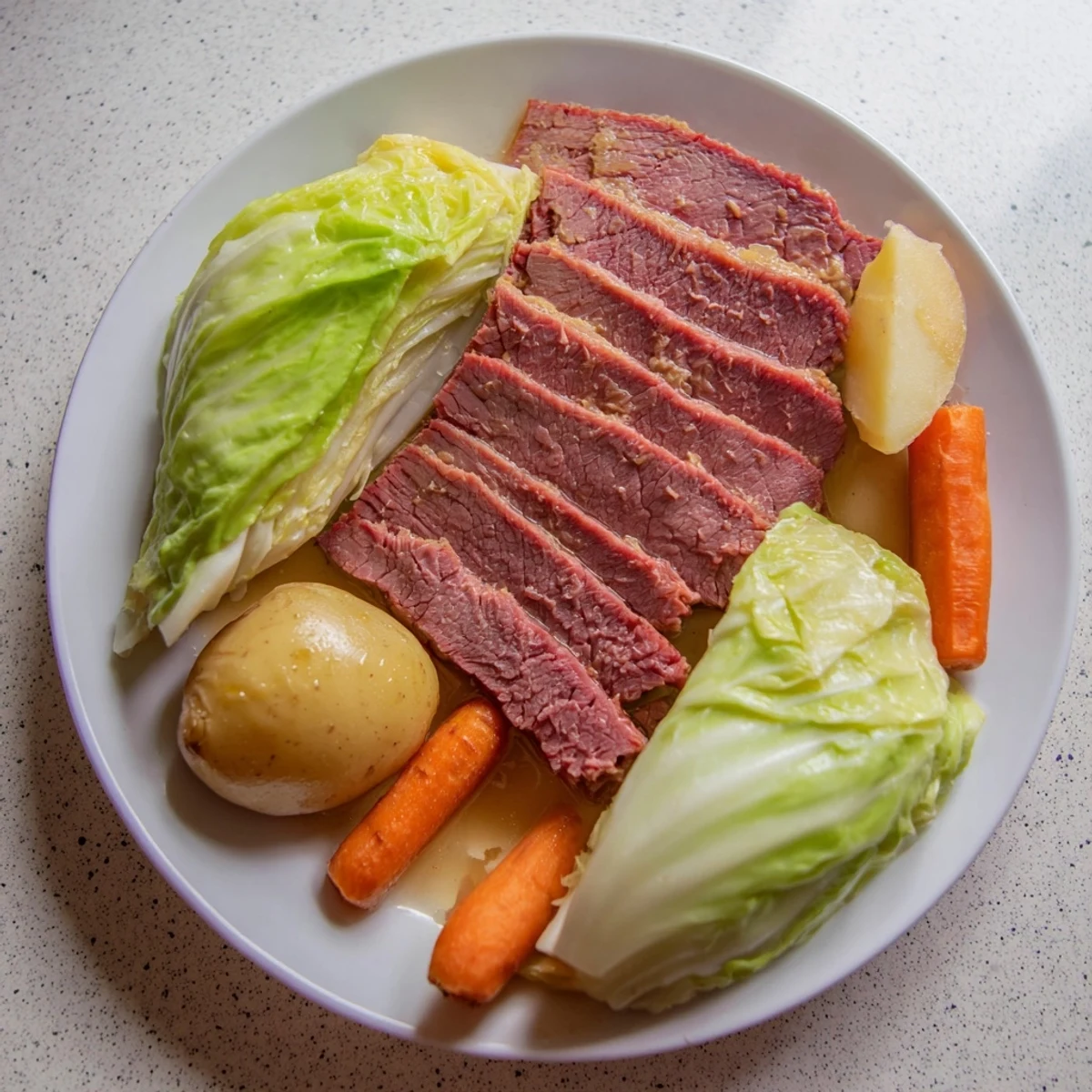
- Slice the beef against the grain and arrange it on a large platter with all the vegetables. I always ladle some of that spiced cooking broth over everything right before serving.
 Pin it
 My father always claimed that the best corned beef is the one you cook on a Sunday afternoon when there's nowhere else to be. Something about that slow, unhurried process makes the entire house feel cozier and the meal taste better.
Serving Suggestions
I keep it simple with grainy mustard and sometimes a quick horseradish sauce mixed from sour cream and prepared horseradish. The sharp condiments cut right through the rich beef and complement the sweet vegetables perfectly.
Making It Ahead
Corned beef and cabbage actually tastes better if made a day ahead, which I discovered accidentally when I cooked it the night before a party. The flavors meld together beautifully, and the fat solidifies on top so you can easily remove it before reheating.
Leftover Wisdom
The next day, I pile thin slices of beef onto rye bread with mustard and sometimes a bit of sauerkraut for the most incredible Reuben-style sandwiches. The vegetables get chopped into a hash with eggs for breakfast.
- Wrap beef tightly and slice it cold for sandwiches the next day
- Mash leftover vegetables with a bit of butter for an unexpected side dish
- Freeze the cooking broth in ice cube trays for future soups or stews
 Pin it
 There's something deeply satisfying about a meal that requires nothing more than time and simple ingredients to become something special.
Recipe FAQ
- → How long should the corned beef be simmered?
-
Simmer the corned beef gently for about 2.5 hours until fork-tender to achieve the best texture.
- → When should vegetables be added during cooking?
-
Add potatoes and carrots after the initial simmer, cooking for 20 mins, then add cabbage and cook another 20-25 mins.
- → Can I use beef broth instead of water?
-
Yes, substituting half the water with low-sodium beef broth enhances flavor without overpowering the dish.
- → What seasonings complement the flavors in this dish?
-
Bay leaves, peppercorns, and optional mustard seeds add a warm aromatic base to the slow-cooked brisket and vegetables.
- → How should the corned beef be sliced?
-
Let the brisket rest for 10 minutes before slicing thinly against the grain for tenderness.