
 Pin it
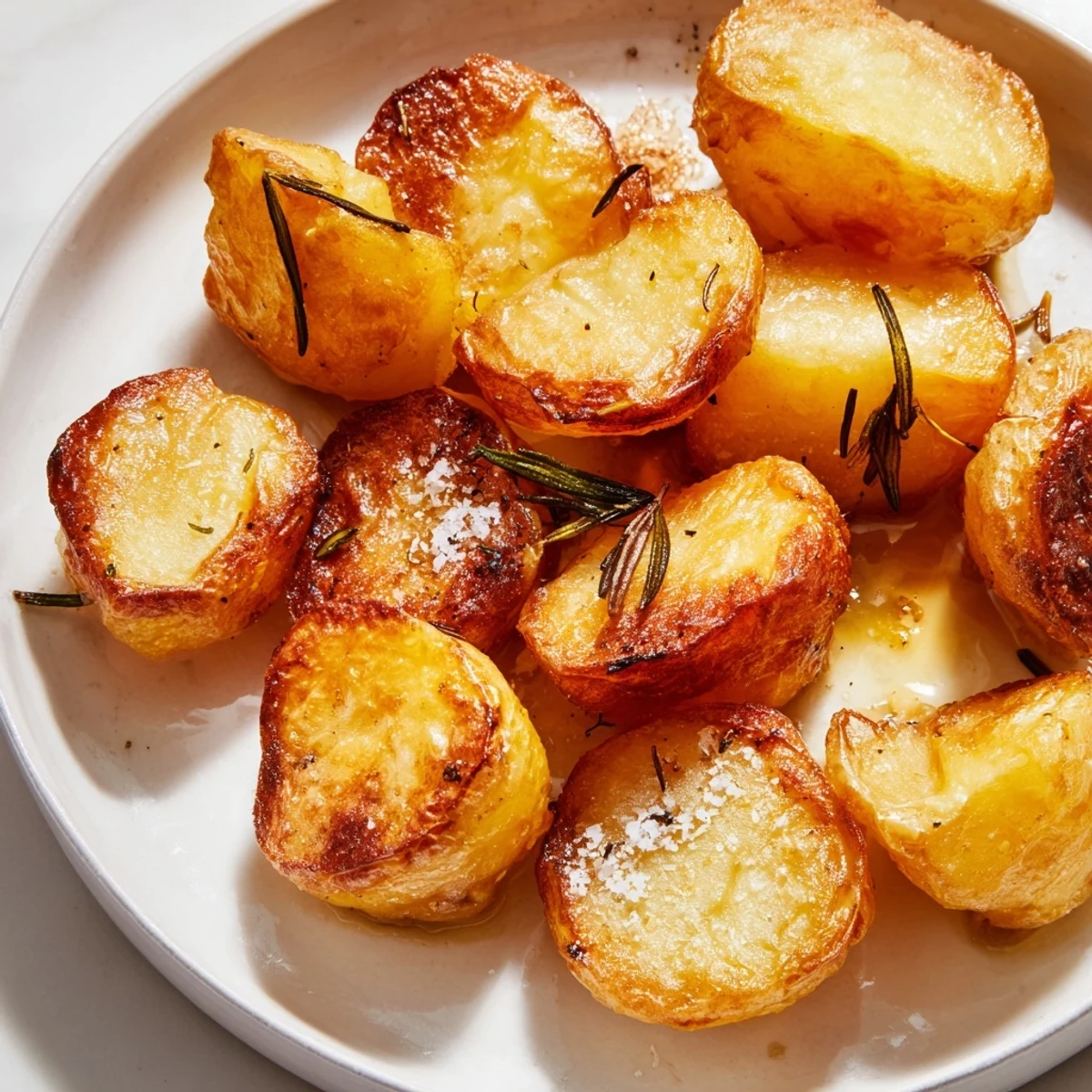
 Master the art of creating perfect roast potatoes with irresistibly crispy skins and light, fluffy centers. This classic British technique uses parboiling and roughening the edges before roasting in hot fat to achieve that sought-after crunch.
The method takes just one hour total, with 15 minutes preparation and 45 minutes in a hot oven. Floury potatoes like Maris Piper or Yukon Gold work best, though any starchy variety delivers excellent results.
Duck or goose fat produces the crispiest finish, though vegetable oil works wonderfully too. The optional addition of garlic and herbs elevates the flavor profile, making these golden spuds an unforgettable accompaniment to roast dinners.
Last winter, my sister came over unexpectedly with a bag of Maris Piper potatoes and that desperate look people get when they need proper comfort food. We ended up making these roast potatoes while the rain hammered against the kitchen window, and something about that steam rising up into the cold air made everything feel right with the world. Now whenever I make them, that cozy afternoon memory comes flooding back.
I learned this recipe from an elderly neighbor who would make these every Sunday for her family. She told me the secret was shaking the pan just hard enough to create those little rough edges that catch the fat and get incredibly crispy, and watching her do it with such practiced ease was like watching a masterclass in comfort food.
Ingredients
- 1.5 kg floury potatoes: Maris Piper or Yukon Gold work beautifully because their high starch content creates that perfect fluffy interior while holding their shape during boiling
- 1 tbsp salt: This seasons the potatoes from the inside out as they boil, which is crucial for well seasoned roasties
- 75 ml vegetable oil or duck fat: Duck fat gives incredible flavor and the crispiest results, but vegetable oil works perfectly fine too
- 1 tsp sea salt flakes: These provide a final seasoning and that satisfying crunch when you bite into them
- 1/2 tsp black pepper: Freshly ground adds a warmth that complements the earthy potatoes
- 2 cloves garlic and 2 sprigs rosemary or thyme: These aromatics infuse the fat as they roast, adding layers of flavor
Instructions
- Preheat and prepare:
- Get your oven to 220°C and pop that roasting tray inside so it is screaming hot when you need it
- Boil the potatoes:
- Cover the peeled chunks with cold water, add that tablespoon of salt, and simmer for about 10 minutes until the edges start softening
- Steam and roughen:
- Drain well and let them sit for 2 minutes to dry off, then give the pan a confident shake to fluff up those edges
- Coat with fat:
- Pour your hot fat over the potatoes and turn them gently until every piece has that glossy coating
- Roast to perfection:
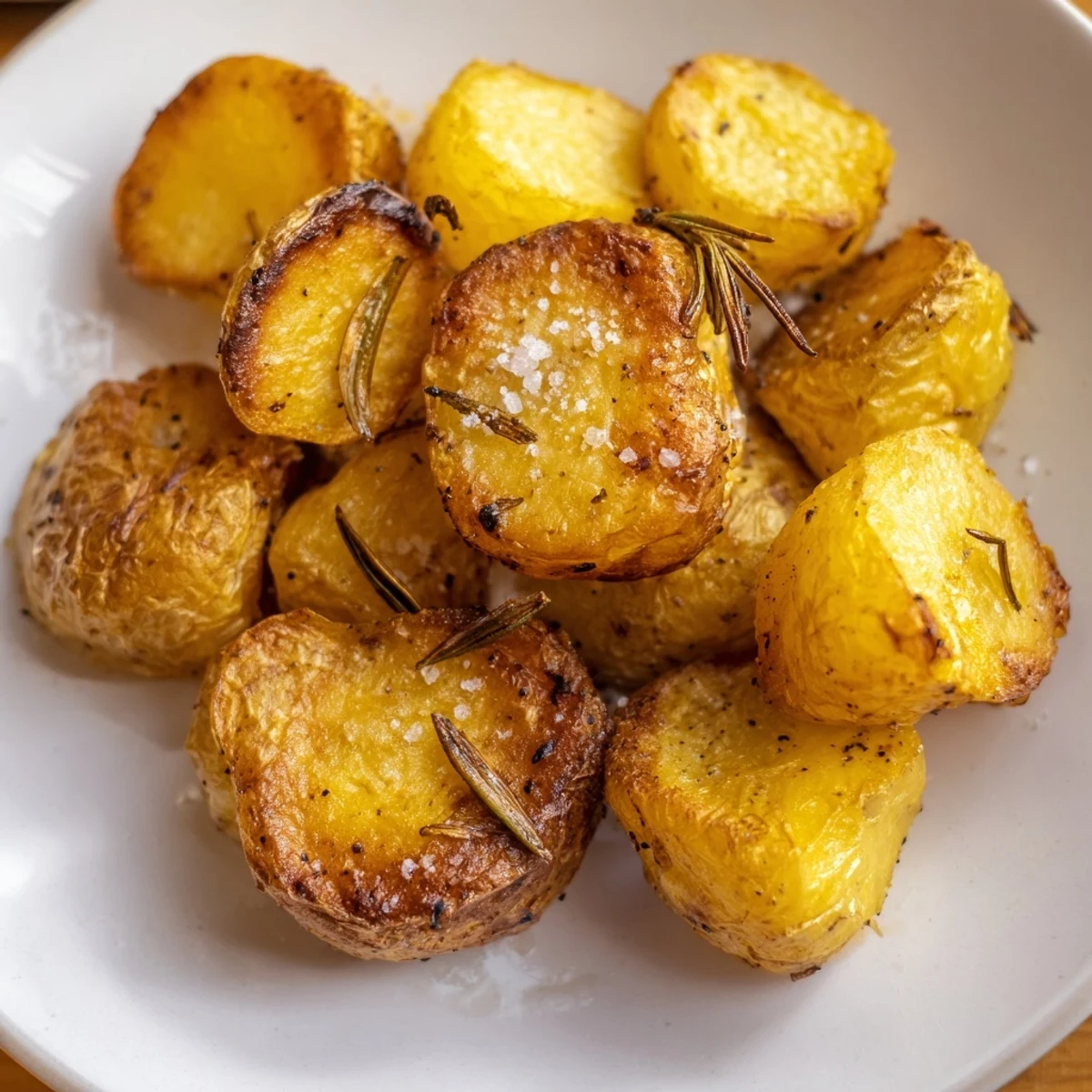
- Spread them in a single layer on that hot tray, add your garlic and herbs, then roast for 20 minutes before turning and giving them another 20 to 25 minutes until they are golden and gorgeous
- Season and serve:
- Sprinkle with sea salt flakes and pepper while they are still hot, and get them to the table immediately
 Pin it
 My daughter now requests these for every special occasion, and watching her little hands reach for seconds reminds me why simple food done well is often the most memorable. These potatoes have become our family celebration staple, appearing at birthdays holidays and random Tuesday nights when we need something to lift our spirits.
The Fat Dilemma
I have tested every fat imaginable over the years, and while duck fat undeniably produces the most spectacular results, do not let that stop you if you only have vegetable oil. The technique matters far more than the fat, and I have made incredible roasties with basic sunflower oil when that was all I had in the cupboard.
Getting That Shake Right
The first time I tried shaking the pan to roughen the edges, I was too gentle and ended up with smooth disappointingly soft potatoes. You need to give it enough vigor to actually damage the surface, creating those little rough patches that will transform into crispy golden bits in the oven.
Make Ahead Magic
One of my favorite discoveries is that you can parboil and roughen the potatoes, then freeze them on a tray before transferring to bags. When you need them, just roast from frozen and they actually come out crispier than fresh ones because all that surface moisture has already evaporated during freezing.
- Freeze them in a single layer first so they do not stick together
- Add an extra 10 minutes to the roasting time if cooking from frozen
- Never thaw them before roasting or you will lose that frosty advantage
 Pin it
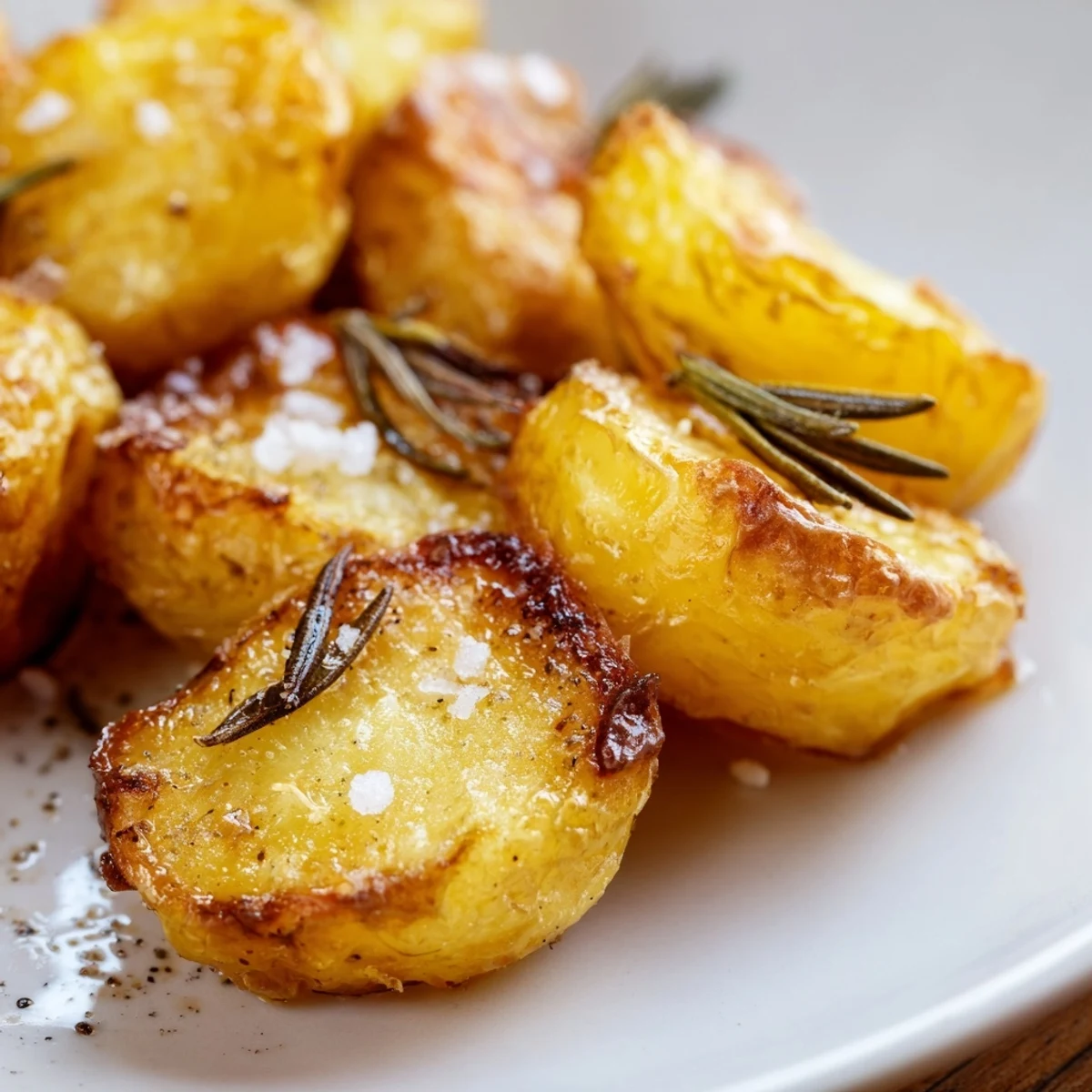
 There is something deeply satisfying about pulling a tray of golden roast potatoes from the oven, and I hope these become a regular part of your kitchen too.
Recipe FAQ
- → What potatoes are best for roasting?
-
Floury or starchy potatoes like Maris Piper, Yukon Gold, or Russet work best. Their high starch content creates that perfect fluffy interior while developing a crispy exterior when roasted.
- → Why parboil potatoes before roasting?
-
Parboiling softens the edges slightly, allowing them to roughen up when shaken. These rough edges catch the hot fat and become extra crispy during roasting, while the centers stay fluffy.
- → Can I make roast potatoes ahead?
-
Yes! Parboil and roughen the potatoes, then freeze them on a tray. When ready to serve, roast from frozen at the same temperature, adding just 5-10 extra minutes to the cooking time.
- → What fat makes the crispiest roast potatoes?
-
Duck or goose fat delivers superior crispiness and rich flavor. If unavailable, vegetable oil works well. For a vegetarian option, coconut oil also creates excellent results.
- → How do I prevent soggy roast potatoes?
-
Ensure potatoes steam dry after parboiling, use a hot roasting tray with preheated fat, and spread them in a single layer without overcrowding. Turning halfway promotes even browning.
- → What temperature should roast potatoes be cooked at?
-
220°C (430°F) creates ideal conditions for crisping. The high heat ensures rapid browning while cooking the interior through without becoming greasy or limp.