
 Pin it
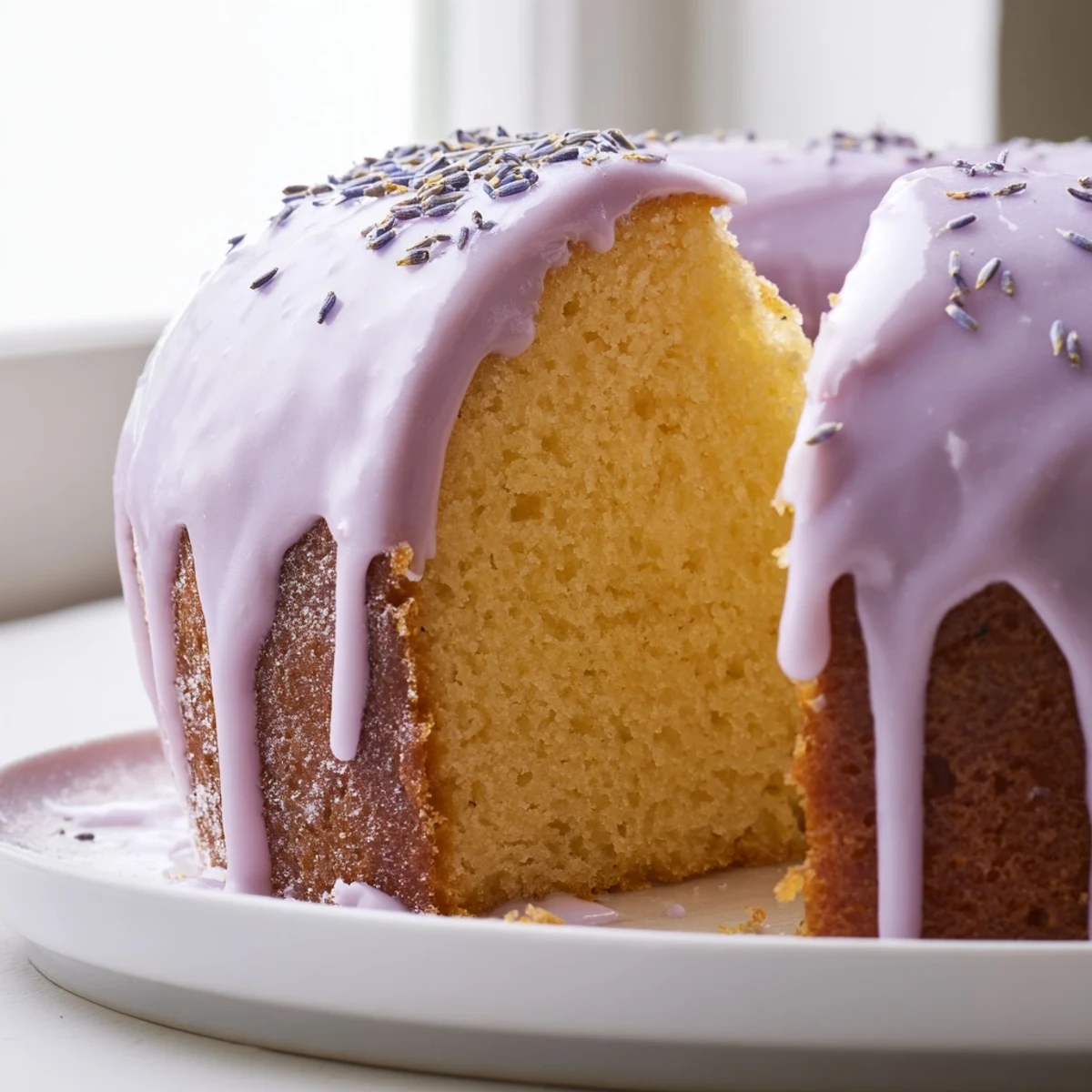
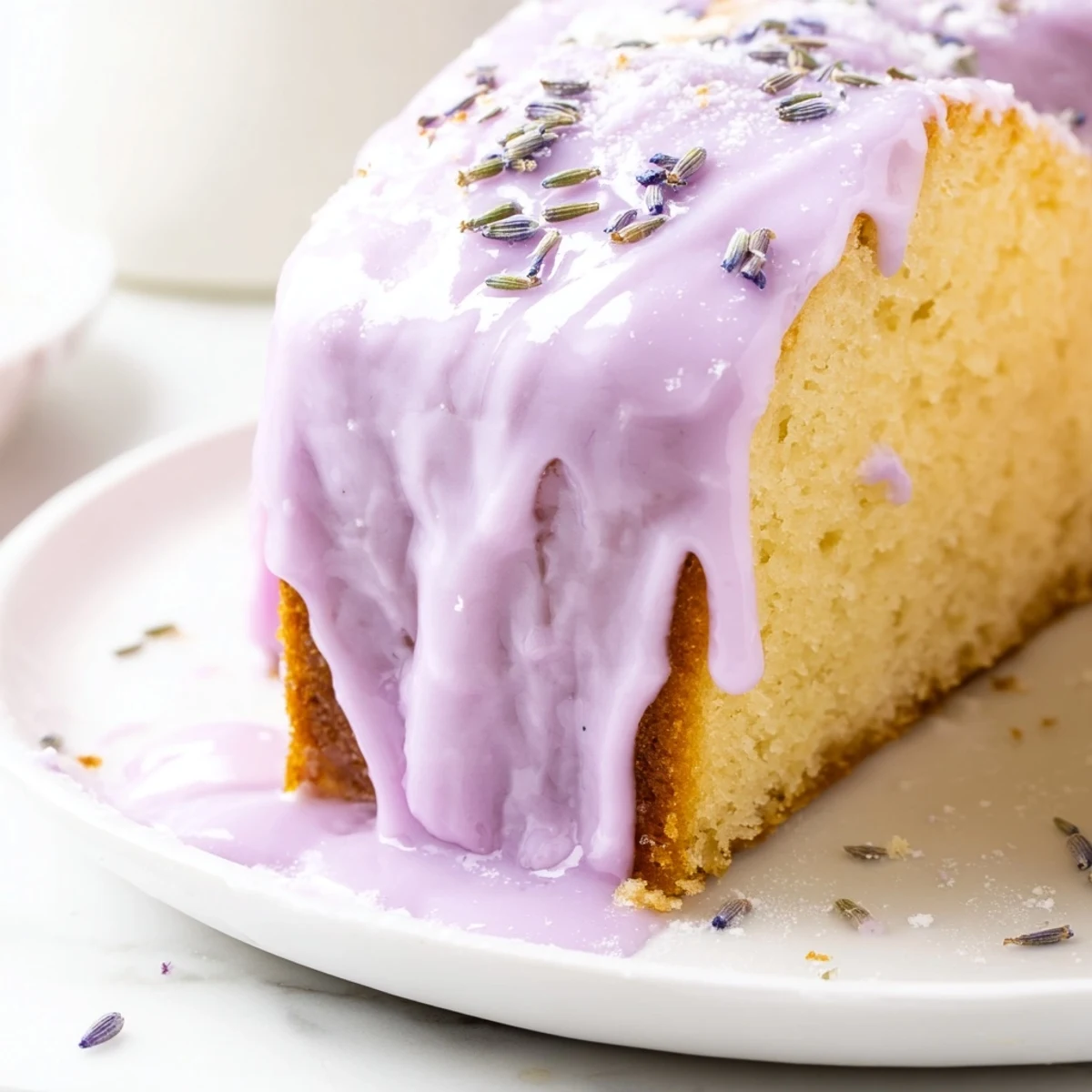
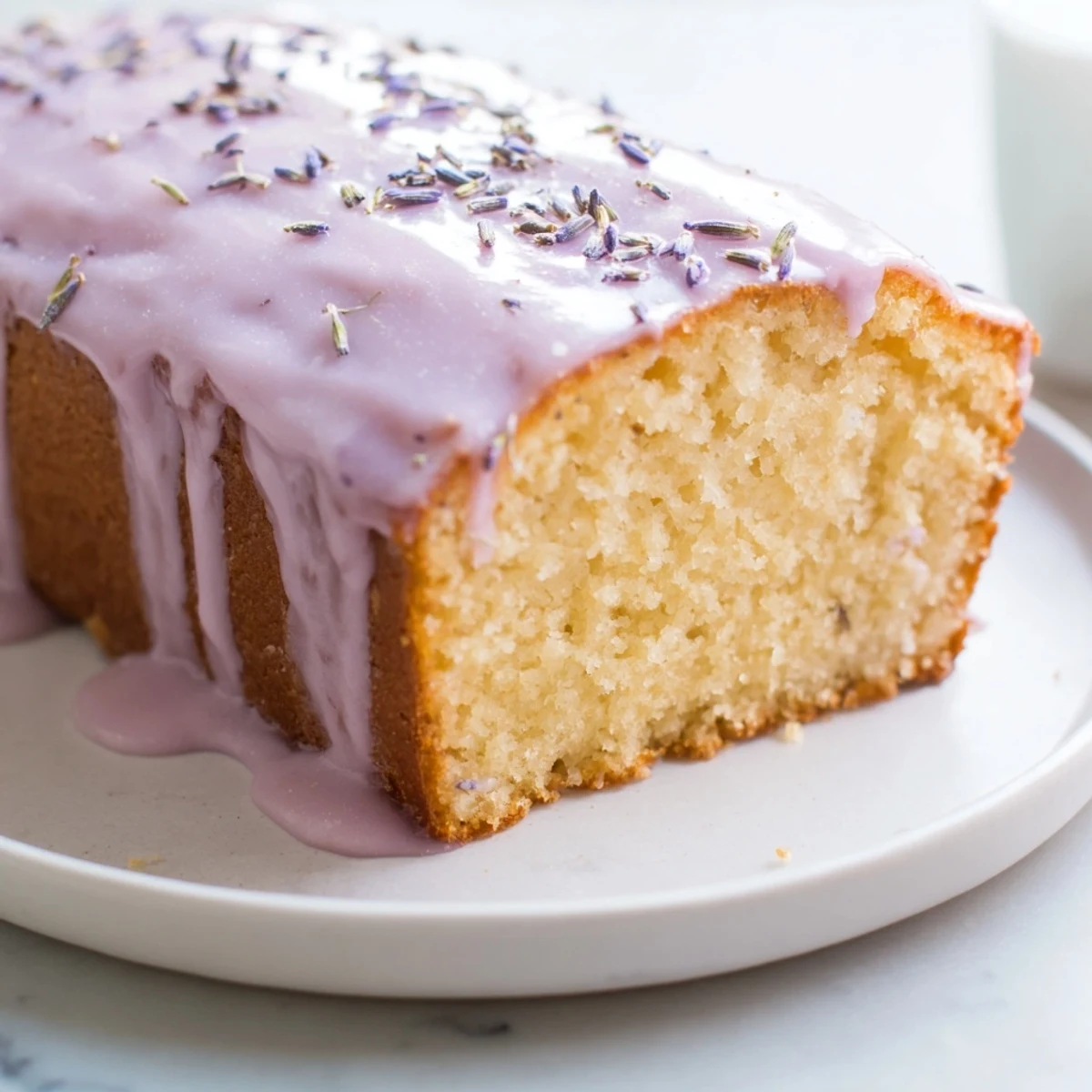
 This elegant lavender glaze infuses powdered sugar with fragrant lavender milk, creating a delicate floral topping that elevates simple baked goods. The preparation involves gently heating milk with dried lavender buds, then steeping to extract the aromatic essence before straining. Whisk the infused milk into powdered sugar until smooth and pourable, adjusting consistency as needed. The result is a subtly sweet, aromatic finishing touch perfect for drizzling over pound cake, scones, sugar cookies, or bundt cakes. Optional lemon juice adds brightness while natural food coloring can enhance the visual appeal with a soft purple hue.
The first time I made lavender glaze was completely by accident after a friend gifted me a bundle of dried lavender from her garden. I had no idea what to do with it, so I started experimenting with infusions and ended up drizzling this perfumed sweetness over a plain vanilla cake. Now, whenever that floral scent hits the kitchen, my roommate knows something special is being baked.
I once made this for a last-minute brunch when I realized the lemon bars I had planned looked a bit tired. The lavender glaze rescued them completely, and my guests kept asking about the secret ingredient. That tiny bit of floral intrigue turned ordinary dessert into a conversation piece.
Ingredients
- Dried culinary lavender: Only use lavender marked specifically for culinary use, as craft lavender may have been treated with chemicals
- Whole milk: The fat content carries the floral oils better than skim, though dairy-free alternatives work surprisingly well
- Powdered sugar: Creates that smooth, drapeable texture granulated sugar can never achieve
- Lemon juice: Just enough to wake up the lavender without overpowering its delicate perfume
Instructions
- Infuse the milk:
- Gently heat the milk with lavender until steam rises, then let it steep to capture all those aromatic oils without destroying them with high heat
- Strain and cool:
- Remove every tiny bud and bit of stem, then let the milk cool slightly so it does not melt the powdered sugar into a gloppy mess
- Whisk the base:
- Start with less infused milk than you think you need, whisking until glossy and smooth before adding more to reach perfect ribbon consistency
- Fine-tune the texture:
- Add milk a teaspoon at a time if it is too thick, or sift in more sugar if it is too runny, whisking thoroughly after each adjustment
- Glaze and set:
- Let it drizzle beautifully over your cooled baked goods, then give it at least ten minutes to firm up before serving
 Pin it
 My sister-in-law still talks about the lavender-glazed scones I made for her baby shower three years ago. It was the first recipe that made me realize how a simple finishing touch can make people feel truly celebrated and cared for through food.
Getting The Right Consistency
The perfect glaze should flow off your whisk in a slow, steady ribbon and disappear back into itself after about ten seconds. Too thick and it will look opaque and awkward on your baked goods, too thin and it will run right off the edges.
Flavor Variations
Sometimes I swap the lemon juice for a drop of vanilla extract when I want something creamier, or add a pinch of honey if the lavender seems particularly assertive. The key is tasting after each tiny adjustment.
Storage And Make Ahead Tips
The lavender milk can be made a day ahead and stored in the refrigerator, which actually intensifies the floral infusion. When you are ready to glaze, just gently rewarm it to take the chill off before combining with the sugar.
- Store leftover glaze in an airtight container for up to a week
- Thin with a few drops of water if it thickens in the fridge
- Never glaze warm baked goods or the finish will become streaky and sad
 Pin it
 Something about this glaze feels like a little luxury you can whip up on a Tuesday night. It reminds me that the most memorable touches in the kitchen are often the simplest ones.
Recipe FAQ
- → What type of lavender should I use?
-
Always use culinary-grade dried lavender buds specifically labeled for food consumption. Garden lavender or decorative varieties may contain pesticides or have an unpleasant flavor profile. Culinary lavender is grown and processed specifically for cooking.
- → Can I make this glaze vegan?
-
Yes, simply substitute the whole milk with any dairy-free alternative such as almond milk, oat milk, or coconut milk. The glaze consistency and flavor will remain similar, though coconut milk may add a subtle tropical note.
- → How should I store leftovers?
-
Store any remaining glaze in an airtight container in the refrigerator for up to one week. The glaze may thicken when chilled—simply whisk in a few drops of milk or let it come to room temperature before using again.
- → Why is my glaze too thick or thin?
-
If the glaze is too thick to drizzle, add more lavender-infused milk one teaspoon at a time until pourable. If too thin, gradually whisk in additional powdered sugar until the desired consistency is reached. The ideal texture should slowly fall from a whisk in a steady ribbon.
- → What desserts work best with lavender glaze?
-
Lavender pairs beautifully with vanilla, lemon, and buttery flavors. Try this glaze on classic pound cake, vanilla scones, sugar cookies, lemon Madeleines, or a simple bundt cake. The floral notes complement rather than overpower these delicate bases.
- → Can I make the lavender milk ahead of time?
-
Yes, prepare the lavender-infused milk up to 24 hours in advance and store it refrigerated in a sealed container. Bring to room temperature before whisking into the powdered sugar for the smoothest results.