
 Pin it
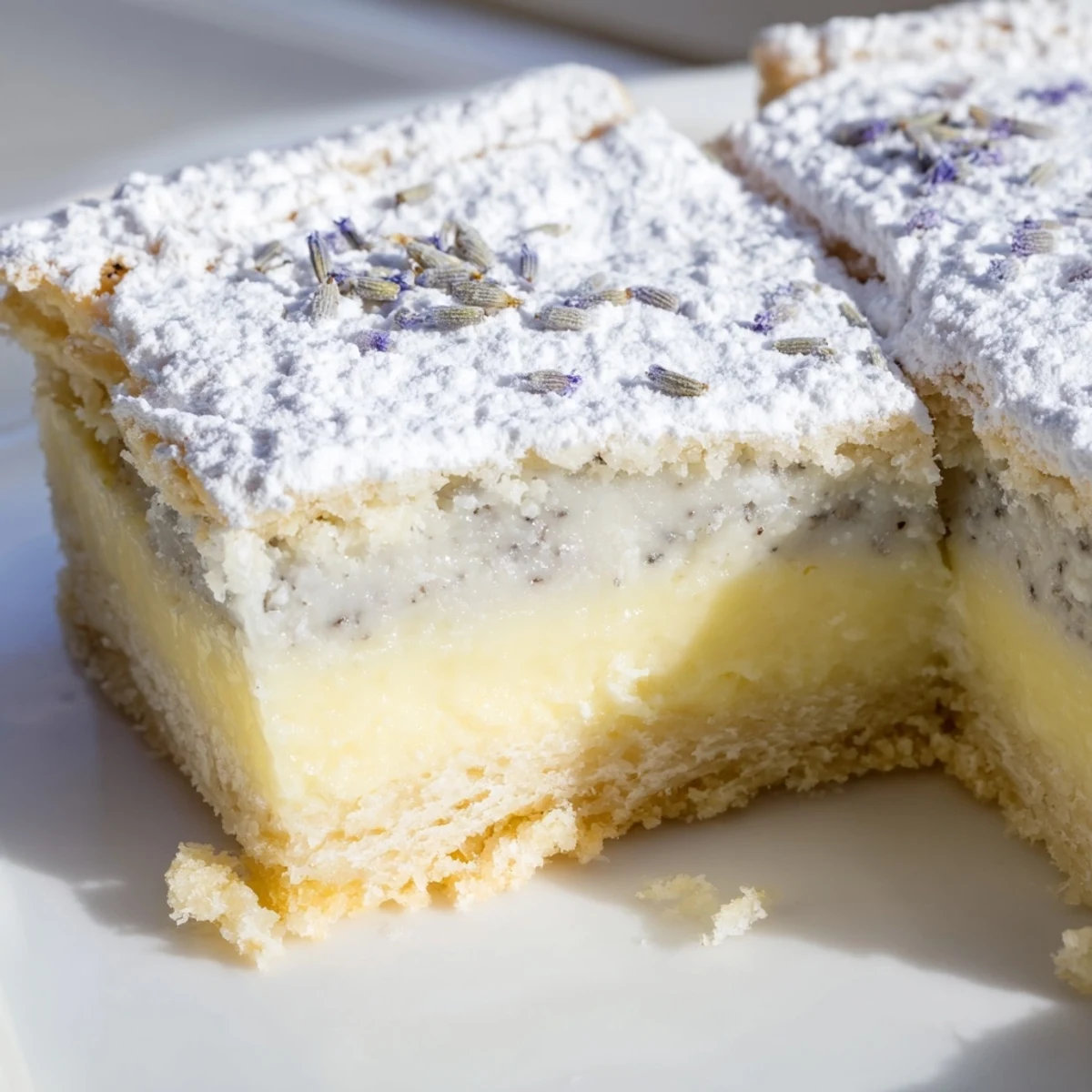
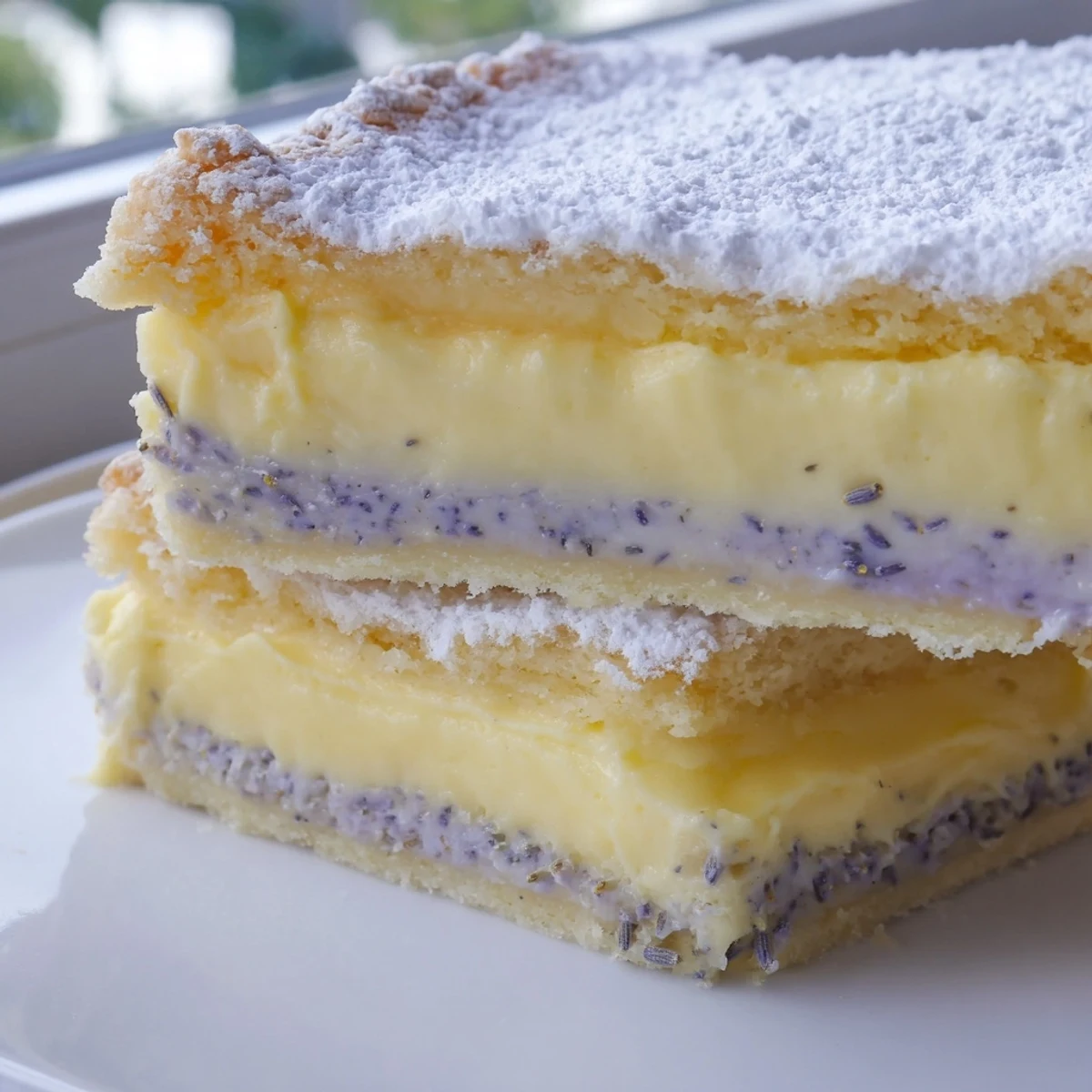
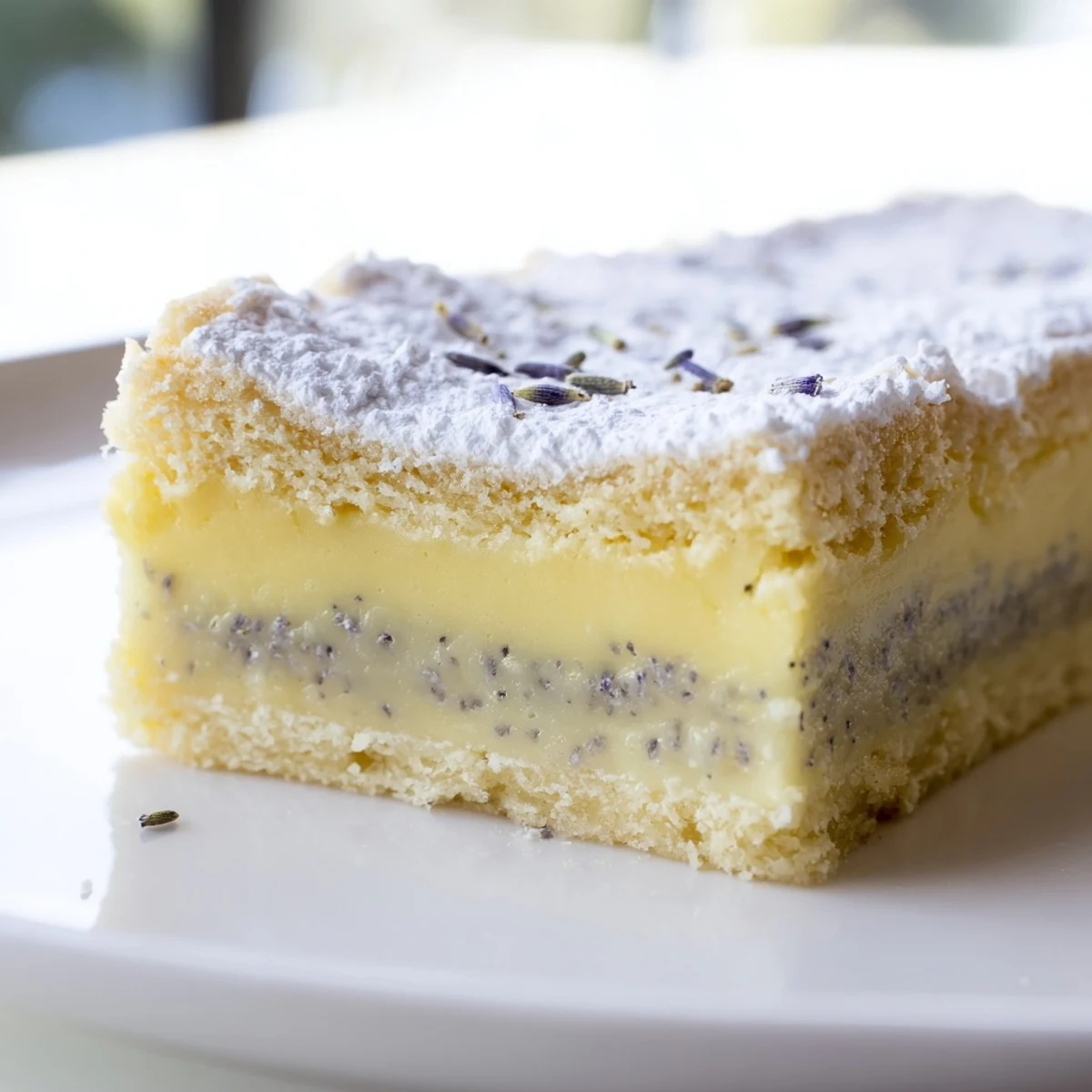
 These delicate bars combine a tender, buttery shortbread crust with a silky lemon-lavender custard filling. The aromatic lavender pairs beautifully with bright citrus, creating a sophisticated dessert perfect for afternoon tea or special gatherings.
The crust bakes until golden, then gets topped with a creamy mixture of eggs, sugar, fresh lemon juice, zest, crushed lavender, and heavy cream. After baking until just set, the bars chill completely to develop the ideal smooth, firm texture.
A final dusting of powdered sugar adds elegant finishing touch. For stronger lavender flavor, try infusing the cream with dried blossoms before incorporating into the filling.
The first time I encountered lavender in baking, I was skeptical. I was visiting my friend's cottage in Provence and she handed me a square of something pale and golden with the most intoxicating scent. One bite changed everything - the floral notes weren't perfumey at all, just this gentle whisper that made the bright lemon sing. I've been experimenting with lavender desserts ever since.
I made these for my book club last spring, and there was this moment of silence when everyone took their first bite. Someone asked what made them so different from regular lemon bars, and when I said lavender, their eyes lit up. Now they request them every time we meet, and I've learned to always make a double batch.
Ingredients
- 1 cup (225 g) unsalted butter, softened: I've learned that really letting this come to room temperature makes the crust so much more tender - don't rush this step or you'll end up with patches that refuse to blend properly.
- 1/2 cup (100 g) granulated sugar: This gives the crust just enough sweetness without becoming cookie-like - it should still taste like a sophisticated shortbread.
- 2 cups (250 g) all-purpose flour: Sift it if you can - I noticed a real difference in texture when I started taking this extra moment.
- 1/4 tsp fine sea salt: Tiny but essential - it's the secret that makes all the flavors pop instead of falling flat.
- 4 large eggs: Room temperature eggs incorporate so much better with the sugar - I learned this after years of wondering why my filling sometimes looked slightly curdled.
- 1 1/2 cups (300 g) granulated sugar: This might seem like a lot, but it's needed to balance that bright lemon acidity.
- 2 tsp finely grated lemon zest: Use a microplane if you have one - the finer the zest, the more evenly the citrus flavor distributes through the filling.
- 1/2 cup (120 ml) freshly squeezed lemon juice: Fresh is absolutely non-negotiable here - bottled juice makes the whole thing taste disappointingly artificial.
- 2 tsp dried culinary lavender, crushed: Rub the buds between your fingers to release the oils - this simple step transforms them from potpourri to pure flavor essence.
- 1/4 cup (30 g) all-purpose flour: Just enough to give the filling that gorgeous custard-like structure without becoming heavy.
- 1/2 cup (120 ml) heavy cream: This creates the most luxurious, silky texture - I've tried substituting milk and it just doesn't give you that same melt-in-your-mouth experience.
- Pinch of salt: Another tiny addition that makes all the difference in bringing the flavors together.
- 2 tbsp powdered sugar: The finishing touch that makes these look bakery-beautiful - use a sieve for the most delicate dusting.
Instructions
- Prep your pan and warm the oven:
- Preheat to 350°F (175°C) and line a 9x9-inch pan with parchment paper, leaving those overhangs like little handles - you'll thank yourself later when the bars lift out so easily.
- Make the shortbread crust:
- Cream that softened butter and sugar until it looks pale and fluffy, then fold in the flour and salt just until combined - overworking makes it tough, so trust the process and stop as soon as it holds together.
- Bake until golden:
- Press the dough evenly into your prepared pan and bake for 18-20 minutes until it's lightly golden - watch closely in those last few minutes because the line between perfectly golden and overdone is surprisingly thin.
- Whisk the filling:
- Beat those eggs and sugar until they're pale and smooth, then add everything else - lemon zest, juice, that fragrant crushed lavender, flour, cream, and salt - whisking until you can't see any streaks of flour remaining.
- Bake the bars:
- Pour the filling over your slightly cooled crust and return to the oven for another 18-20 minutes - the center should still have a little wobble, like gelatin, because it'll continue setting as it cools.
- Chill completely:
- Let them cool in the pan, then refrigerate for at least an hour - this patience step is what gives you those clean, professional-looking slices instead of a messy situation.
- Add the final touch:
- Dust with powdered sugar just before serving and cut into 16 squares - a sharp knife wiped clean between cuts makes the prettiest bars.
 Pin it
 These have become my go-to for spring gatherings and summer picnics. There's something about serving food that looks so elegant but comes from such simple ingredients - it feels like sharing a little secret.
Getting the Lavender Right
Not all lavender is created equal, and I learned this the hard way with a batch that tasted like soap. Make sure you're using culinary lavender - it's been grown specifically for eating and has a much sweeter, more delicate profile than the ornamental stuff in gardens. I buy mine from specialty spice shops and store it in a dark cabinet away from the heat of the stove.
Making Them Your Own
While the classic version is hard to beat, I've found some lovely variations. Meyer lemons add this gorgeous floral sweetness that pairs even more harmoniously with lavender. And if you're feeling adventurous, a drop of vanilla extract in the crust adds this warm undertone that makes the whole bar feel even more special.
Serving Suggestions
These deserve to be served with thoughtfulness. I love them on a pretty cake stand with a pot of Earl Grey tea - the bergamot notes in the tea are made for this combination. A glass of sparkling wine or prosecco works beautifully too, especially for afternoon gatherings.
- Cut them slightly smaller if serving as part of a dessert spread - they're rich enough that little squares satisfy completely.
- Store them in the refrigerator with wax paper between layers - the powdered sugar will disappear into the bars otherwise.
- Let them sit at room temperature for about 15 minutes before serving - the texture is infinitely more silky and luxurious.
 Pin it
 There's something deeply satisfying about serving something that looks so elegant and tastes so complex, knowing it came from your own kitchen. These lavender lemon bars have become my signature dessert, and I hope they find their way into your baking rotation too.
Recipe FAQ
- → Can I use fresh lavender instead of dried?
-
Fresh lavender can be used, but dried culinary lavender is more potent and consistent. If using fresh, increase the amount to 1 tablespoon and finely chop the blossoms. Ensure the lavender is food-grade and hasn't been treated with pesticides.
- → How long do these bars need to chill before serving?
-
The bars require at least 1 hour of refrigeration to set properly and achieve clean slices. For best results, chill 2-4 hours. They can be made up to 2 days ahead and stored in the refrigerator.
- → Why did my filling turn out grainy?
-
Grainy texture usually comes from undissolved sugar or overbaked eggs. Whisk sugar and eggs thoroughly until pale and smooth. Avoid overbaking—the center should be just set with a slight jiggle, like custard.
- → Can I substitute lemon juice with lime or orange?
-
Lime juice works well and creates a refreshing variation. Orange juice is sweeter and less acidic, so reduce sugar by 2 tablespoons. The lavender flavor pairs beautifully with lime but may get overpowered by orange.
- → What's the best way to crush dried lavender?
-
Use a mortar and pestle for the most controlled crushing, releasing essential oils while keeping some texture intact. Alternatively, place lavender in a zip-top bag and gently crush with a rolling pin or the back of a spoon.
- → How should I store leftover bars?
-
Store in an airtight container in the refrigerator for up to 5 days. Place parchment paper between layers to prevent sticking. The bars can be frozen for up to 3 months—thaw overnight in the refrigerator before serving.