
 Pin it
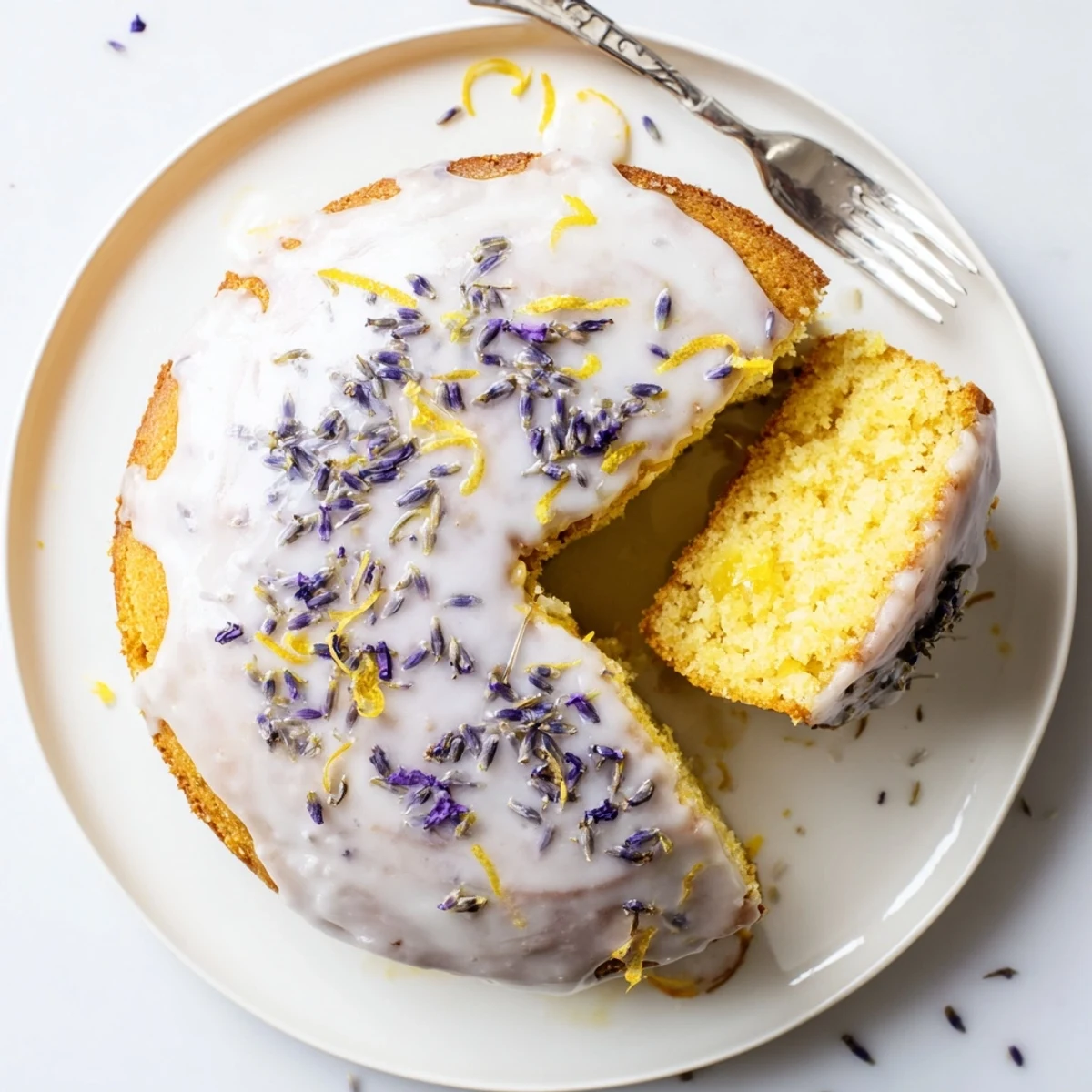
 This delicate European-style dessert combines bright citrus notes with aromatic lavender for a sophisticated treat. The cake begins with an infused sugar mixture rubbed with lemon zest and culinary lavender buds, creating a fragrant base. After baking to golden perfection, warm syrup soaks into the tender crumb, ensuring moisture and intensifying the floral-citrus profile. A final drizzle of tangy lemon glaze adds sweetness and visual appeal. The result is a light yet rich dessert ideal for serving alongside Earl Grey tea or Moscato.
The first time I tasted lavender in dessert, I was sitting in a tiny Parisian café where the owner insisted I try her gateau. The floral notes danced with bright lemon in a way that felt completely unexpected but somehow perfectly right. I came home determined to recreate that memory, and after many attempts with too much soapiness and not enough zest, I finally found the right balance. Now this cake has become my go-to when I want to serve something that makes people pause and ask what's in it.
I made this for my mother's birthday last spring, and she kept walking around the kitchen inhaling deeply while it baked, trying to identify what smelled so wonderful. When she took her first bite, she actually closed her eyes and sat back in her chair. The cake has become her most requested gift, even over her old favorite chocolate recipes.
Ingredients
- All-purpose flour: The structure builder, measure by weight if possible for consistent results every time
- Baking powder and baking soda: Both work together here for proper lift and a tender crumb that's neither dense nor dry
- Salt: Just enough to enhance the other flavors without making the cake taste savory
- Granulated sugar: You'll rub this with lavender and lemon zest to create a fragrant infused sugar that's the secret to balanced flavor
- Culinary dried lavender buds: Make sure these are food grade and meant for eating, never the lavender from your garden center
- Lemon zest: Use a microplane or zester to get just the bright yellow outer layer, avoiding the bitter white pith beneath
- Unsalted butter: Let it come to room temperature naturally so it creams properly without leaving chunks
- Large eggs: Room temperature eggs incorporate better and help create a smooth, even batter
- Whole milk: The fat content keeps the cake moist and tender, lower fat milk can make the texture slightly dry
- Freshly squeezed lemon juice: Bottled juice lacks the bright acidic punch that balances the sugar and floral notes
- Vanilla extract: Pure vanilla bridges the gap between citrus and lavender flavors beautifully
- Water and sugar for syrup: This soak keeps the cake moist and adds an extra layer of lemon lavender flavor
- Powdered sugar for glaze: Sift it first to avoid lumps in your finished topping
Instructions
- Prepare your oven and pan:
- Preheat oven to 350°F (175°C) and grease a 9-inch round pan thoroughly, then flour it or add parchment paper so the cake releases perfectly later
- Infuse the sugar:
- Rub together the granulated sugar, lavender buds, and lemon zest with your fingers until the sugar becomes fragrant and slightly tinted yellow
- Whisk the dry ingredients:
- Combine flour, baking powder, baking soda, and salt in a medium bowl so they're evenly distributed before adding to the wet ingredients
- Cream the butter and sugar:
- Beat the softened butter with your infused lavender lemon sugar until pale and fluffy, then add eggs one at a time, beating after each addition
- Combine the batter:
- Mix in vanilla, then alternate adding the flour mixture with the milk and lemon juice in three additions, starting and ending with flour, mixing just until combined
- Bake the cake:
- Pour batter into your prepared pan, smooth the top, and bake for 30 to 35 minutes until a toothpick comes out clean
- Make the lavender syrup:
- While the cake bakes, simmer water, sugar, lemon juice, and lavender for a few minutes until dissolved, then let it steep and strain
- Add the syrup soak:
- Cool cake in the pan for 10 minutes, then remove to a rack and brush the warm syrup all over while the cake is still warm
- Finish with glaze:
- Whisk powdered sugar with lemon juice and just enough milk to reach drizzling consistency, then pour over the completely cooled cake
 Pin it
 This cake has become my friendship anniversary tradition, something I bake for people who have stuck by me through the messy years. There's something about serving a slice of something so deliberately elegant that makes ordinary Tuesdays feel worth celebrating.
Getting the Lavender Balance Right
The difference between a cake that tastes floral and one that tastes like soap is remarkably small. I've learned that infusing the sugar rather than adding lavender directly to the batter gives you that gentle background note without overwhelming everything else. Culinary lavender is less potent than the ornamental varieties, but even then, start with the smaller amount if you're unsure. You can always steep your syrup a bit longer to add more floral flavor at the soaking stage.
Making It Your Own
Sometimes I swap half the butter for Greek yogurt when I want something slightly lighter, and the tang works beautifully with the lemon. The cake becomes less rich but still tender, and it develops a subtle creaminess that pairs wonderfully with the floral notes. I've also added poppy seeds for texture and visual interest, and they look like tiny jewels against the pale yellow crumb. During berry season, fresh raspberries folded into the batter before baking make this feel even more special.
Serving Suggestions
This cake deserves to be served with some ceremony, even if you're just eating it alone on a Wednesday afternoon. I like to let it come to room temperature before serving, as the lavender flavors become more pronounced when they're not refrigerator cold. A pot of Earl Grey tea brings out the bergamot notes in the cake, or pour a glass of something sparkling and slightly sweet for proper afternoon tea vibes.
- Serve it on pretty plates, because this is a cake that asks to be noticed
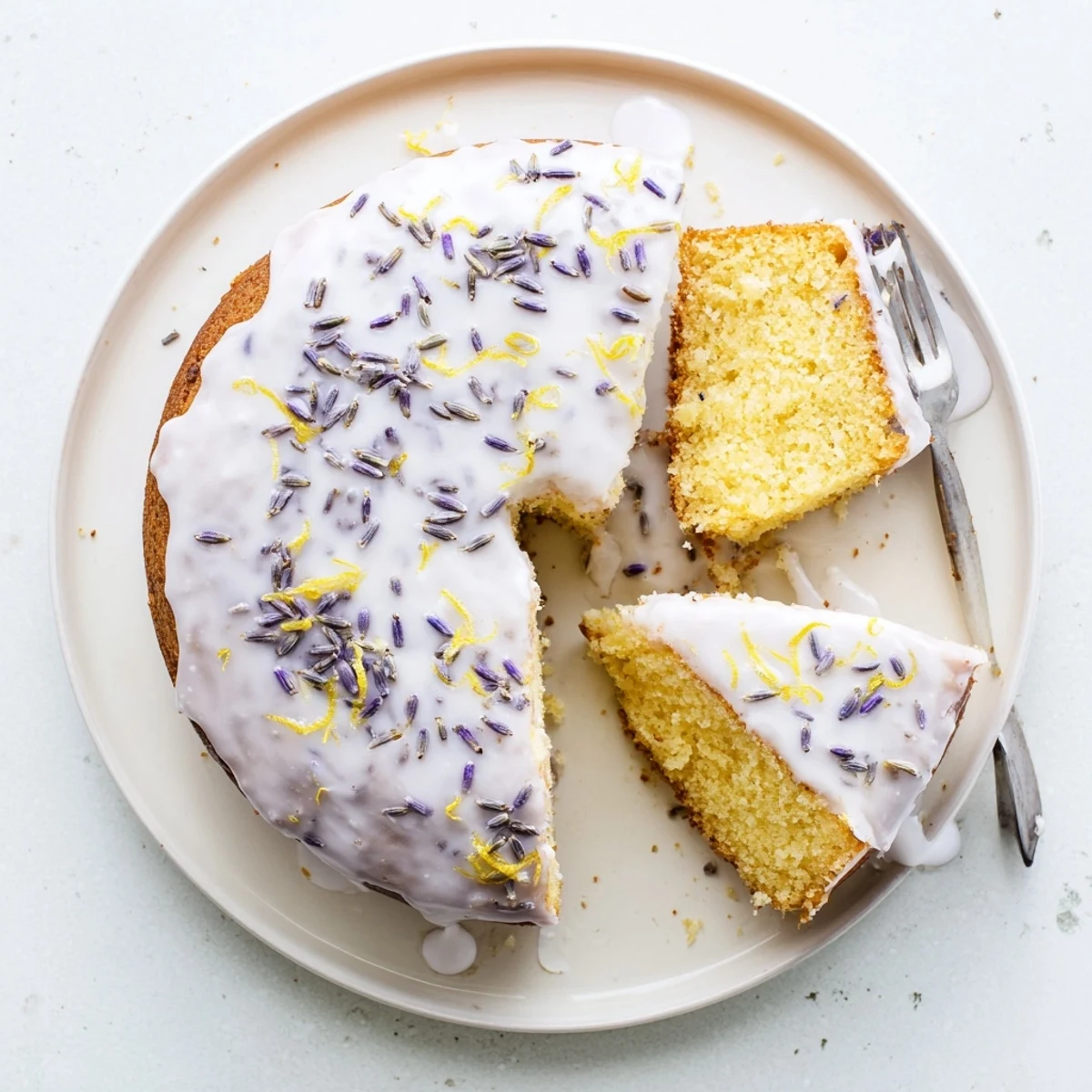
- Let the glaze set completely before slicing so you get those clean drips
- Any leftovers keep remarkably well covered at room temperature for a couple days
 Pin it
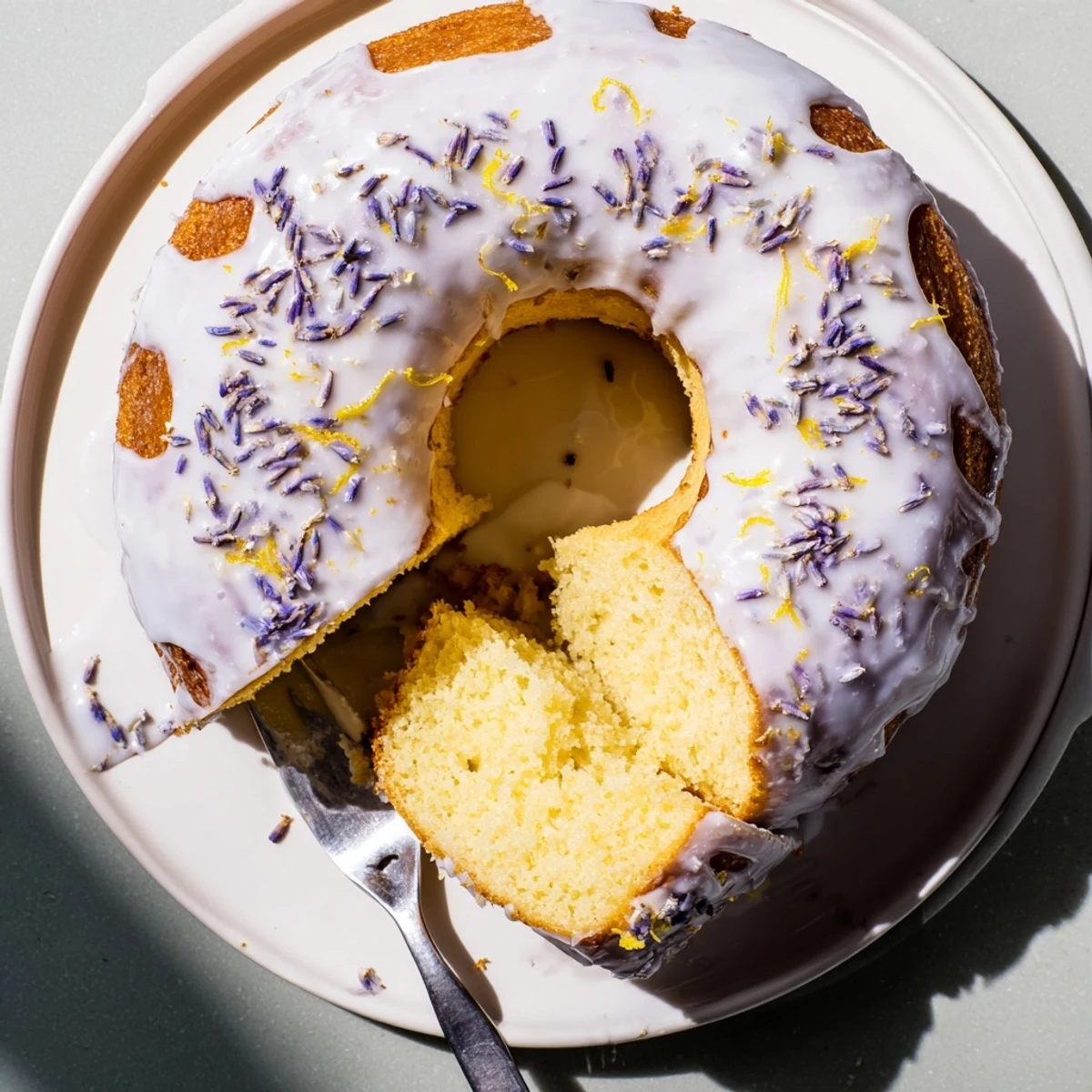
 I hope this cake finds its way into your kitchen and creates some fragrant memories of its own. Every slice should feel like a small occasion.
Recipe FAQ
- → What type of lavender should I use?
-
Use only culinary-grade dried lavender buds meant for cooking. Garden or craft lavender may contain pesticides or have unpleasant flavors. Look for food-safe lavender at specialty spice shops or well-stocked grocery stores.
- → Can I make this cake ahead of time?
-
Yes, bake up to two days in advance. Store covered at room temperature. The syrup helps maintain moisture. For best results, add the glaze the day of serving to prevent it from becoming tacky.
- → Why infuse the sugar with lavender?
-
Rubbing lavender buds and lemon zest into sugar releases essential oils, distributing flavor evenly throughout the batter. This technique ensures consistent floral notes in every bite rather than concentrated pockets.
- → What's the purpose of the soaking syrup?
-
The warm lemon-lavender syrup penetrates the cake while cooling, adding moisture and enhancing flavor. It creates a tender texture and prevents drying, similar to techniques used in pound cakes and sponge cakes.
- → Can I reduce the lavender flavor?
-
If sensitive to floral notes, decrease lavender to 1 tablespoon total. The flavor should be subtle and aromatic, not overpowering. Remember that baking mellows the intensity slightly.
- → What beverages pair well with this cake?
-
Earl Grey tea complements the bergamot and lavender notes. Sparkling Moscato or dry Prosecco offers a festive contrast. For non-alcoholic options, try lemon verbena tea or sparkling water with a lemon twist.