
 Pin it
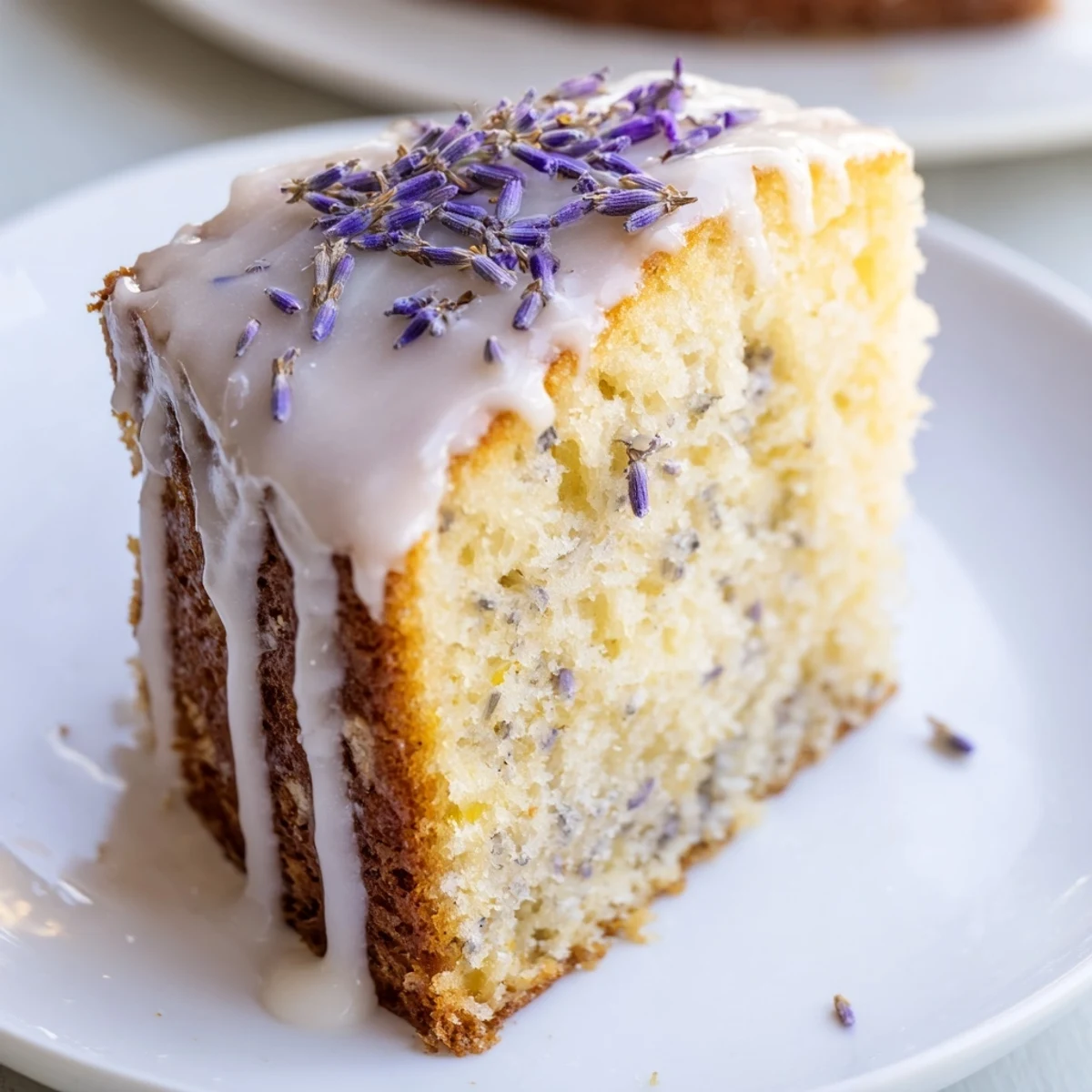
 This elegant dessert brings together bright lemon zest and delicate lavender in a tender, moist crumb. The floral notes remain subtle while citrus shines through, creating a balanced flavor profile that feels special without being overpowering.
The preparation involves creaming butter with lemon-zested sugar to infuse every bite, then folding in chopped culinary lavender for even distribution. A quick whisk-together glaze adds the perfect finishing touch with extra tartness and a beautiful presentation.
Ideal for spring celebrations, bridal showers, or whenever you want something that feels a bit fancy but comes together in under an hour. The texture stays tender for days, making it excellent for advance preparation.
The first time I caught whiff of lavender baking into something sweet, I was wandering through a Parisian patisserie door left slightly ajar. That haunting floral perfume mixing with buttery vanilla made me stop mid-stride. I spent the next year figuring out how to bottle that moment into something I could make in my own tiny kitchen. This cake is what happened when lemon joined the party.
I made this for my mothers birthday one year when she insisted she wanted nothing fancy. She took one bite, closed her eyes, and said this reminded her of her grandmothers garden in Provence. Now she requests it every spring, and I've learned to double the recipe because friends who swore they hated floral anything end up asking for seconds.
Ingredients
- All-purpose flour: The structure that holds everything together, though cake flour makes it even more tender if you have it
- Baking powder and baking soda: The lift team that gives this cake its cloud-like crumb
- Salt: Just enough to wake up all the other flavors without making anything taste salty
- Dried culinary lavender: Only buy lavender marked culinary or baking grade, otherwise you might end up with soapy-tasting cake
- Granulated sugar and lemon zest: Rub these together first to release the lemon oils into every sugar crystal
- Unsalted butter: Softened to room temperature so it incorporates properly into the batter
- Eggs: Room temperature eggs emulsify better and create a more uniform texture
- Vanilla extract: Pure extract makes a difference here since the floral notes are subtle
- Whole milk: Adds richness and tenderness to the crumb
- Fresh lemon juice: Adds brightness and helps activate the baking soda
- Powdered sugar: Creates a silky smooth glaze that drips beautifully down the sides
Instructions
- Get your oven ready:
- Preheat to 350°F (175°C) and prep your 9-inch round pan with grease and flour or parchment paper so nothing sticks later
- Whisk the dry team:
- Combine flour, baking powder, baking soda, salt, and chopped lavender in a medium bowl, then set it aside
- Infuse the sugar:
- Massage the lemon zest into the sugar with your fingertips until it smells intensely fragrant and looks like wet sand
- Cream butter and sugar:
- Beat the butter into the sugar mixture for about 3 minutes until it turns pale and fluffy
- Add eggs and vanilla:
- Beat in eggs one at a time, letting each fully incorporate before adding the next, then add the vanilla
- Combine wet and dry:
- Alternate adding the dry ingredients and milk, starting and ending with the dry mix, then fold in the lemon juice just until combined
- Bake until golden:
- Pour batter into your prepared pan, smooth the top, and bake for 30 to 35 minutes until a toothpick comes out clean
- Cool completely:
- Let the cake rest in the pan for 10 minutes before turning it out onto a wire rack to cool all the way through
- Make the glaze:
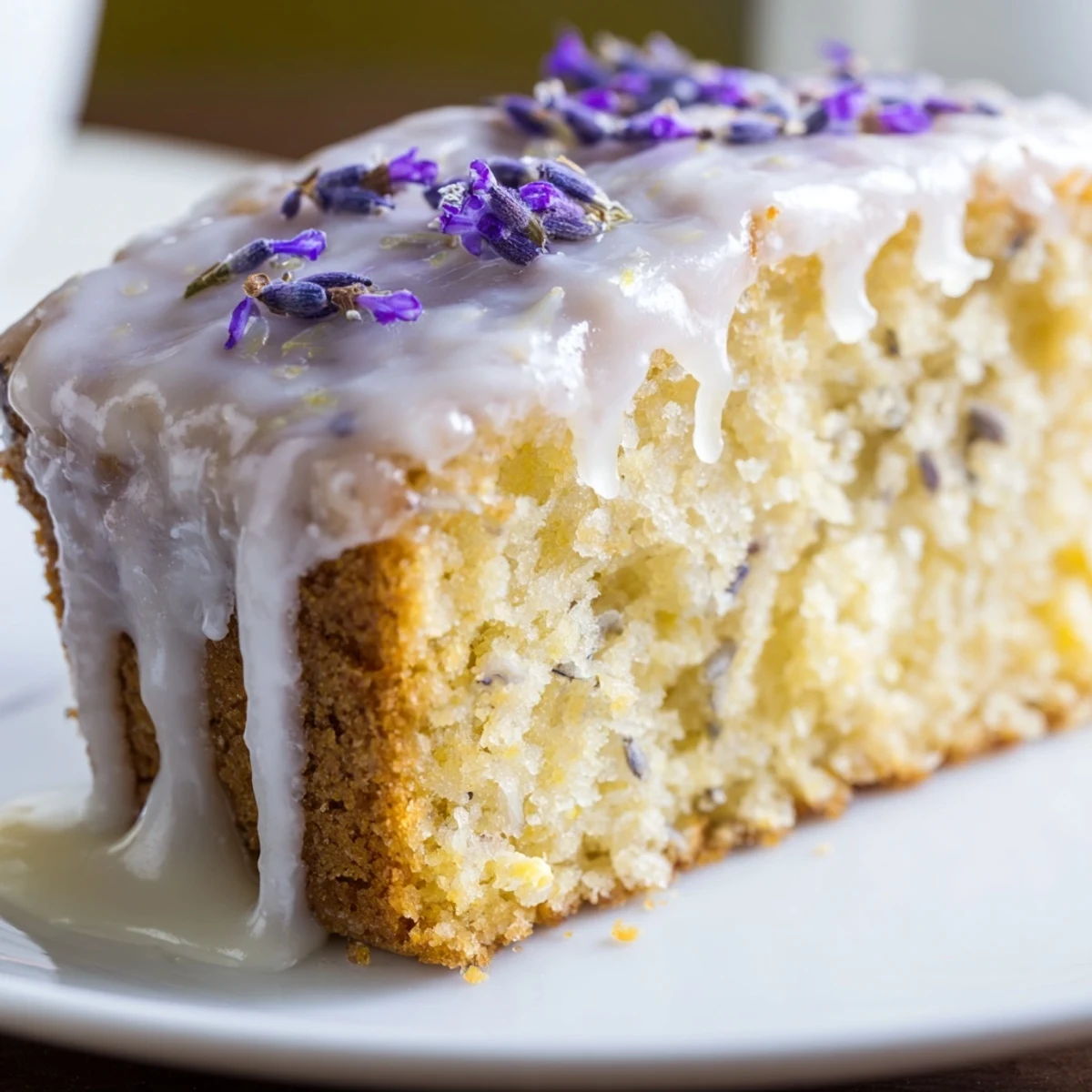
- Whisk powdered sugar with enough lemon juice to reach a pourable consistency, then drizzle it over the cooled cake
 Pin it
 This cake has become my go-to when someone needs cheering up or celebrating. Something about the combination of bright citrus and gentle lavender feels like a hug in dessert form. I've watched skeptical guests transform into lavender converts after one slice.
Making It Ahead
The unfrosted cake keeps beautifully wrapped in plastic for up to two days at room temperature. Wait to add the glaze until the day you plan to serve it, since the moisture can make the cake soggy if it sits too long.
Serving Suggestions
A slice of this alongside a cup of Earl Grey or chamomile tea creates the kind of afternoon moment that makes you forget about everything else on your to-do list. The tannins in the tea beautifully complement both the lemon and lavender.
Troubleshooting
If your cake comes out with a dense texture, check that your baking powder and soda are fresh and that you measured the flour properly without packing it down. Too much lavender can taste soapy, so start conservatively and taste the batter before baking.
- Insert a wooden skewer rather than a metal toothpick to test doneness without leaving dark holes
- Let the pan cool for exactly 10 minutes before turning out, or the cake might break apart
- Room temperature ingredients really do make a noticeable difference in the final texture
 Pin it
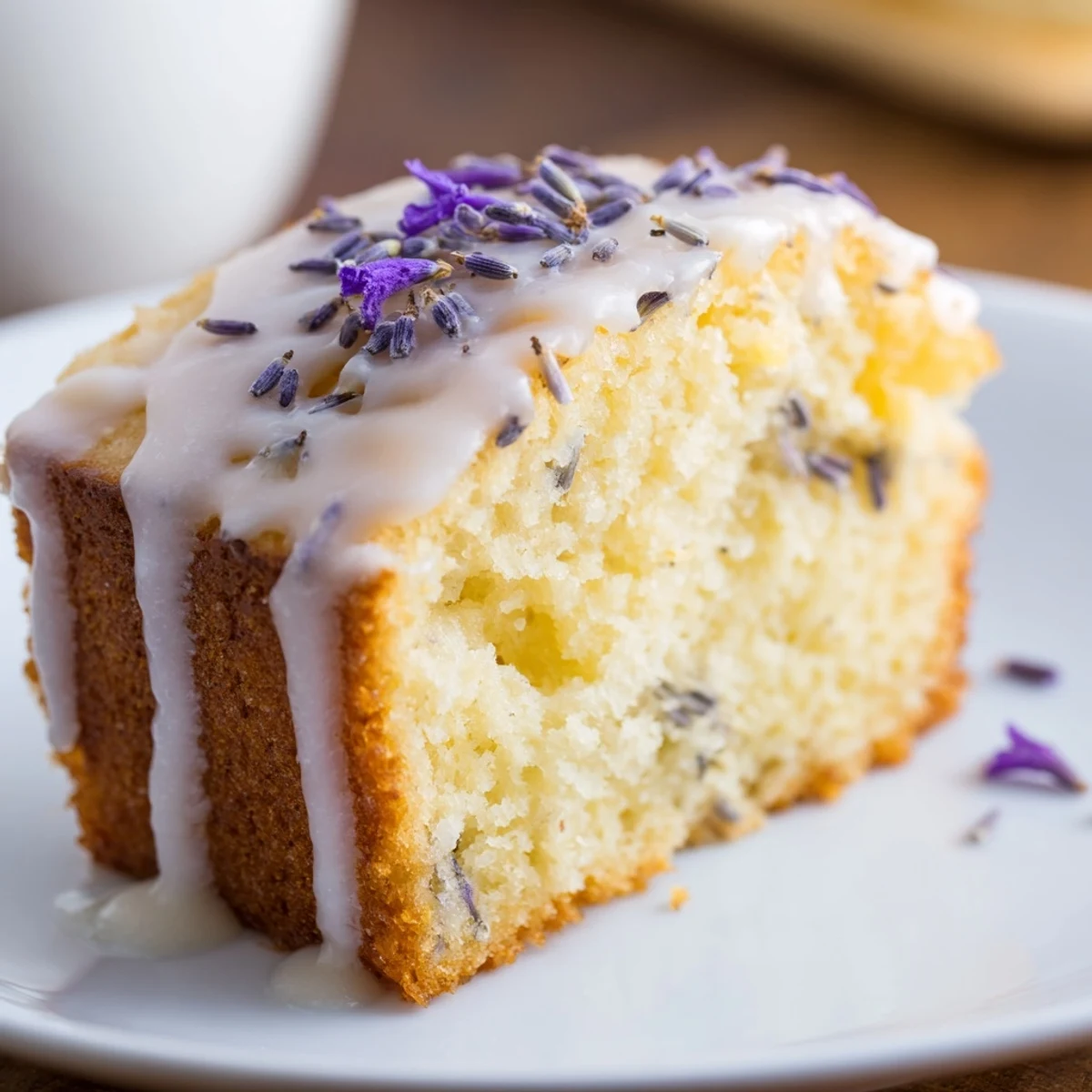
 Theres something almost meditative about watching this cake rise in the oven, that floral scent filling the kitchen and making even a Tuesday afternoon feel special.
Recipe FAQ
- → What does lavender taste like in baked goods?
-
Lavender adds subtle floral notes similar to how vanilla enhances sweetness—it provides an aromatic backdrop rather than an overpowering flavor. When used sparingly, it creates a sophisticated taste that pairs beautifully with citrus.
- → Can I use fresh lavender instead of dried?
-
Fresh lavender works but contains more moisture, so you'll need roughly three times the amount. Ensure it's culinary-grade and free from pesticides. Dried lavender offers more consistent potency and is easier to incorporate evenly into the batter.
- → How do I know when my cake is done baking?
-
Insert a toothpick into the center—it should come out clean or with just a few moist crumbs. The edges will pull slightly away from the pan, and the top will spring back when gently pressed. Overbaking dries out the crumb, so start checking at 30 minutes.
- → Can I make this cake dairy-free?
-
Yes, substitute plant-based butter sticks (not tub margarine) and your favorite non-dairy milk. Almond or oat milk work particularly well. The texture may vary slightly, but the flavor remains equally delightful.
- → Why do I need to rub the lemon zest into the sugar?
-
This technique releases the essential oils from the zest, dispersing lemon flavor throughout the entire cake rather than having concentrated pockets. It takes just a minute but makes a noticeable difference in the final taste.
- → How should I store leftovers?
-
Keep at room temperature under a cake dome or wrapped in plastic for up to 3 days. The glaze may soften slightly but remains delicious. For longer storage, refrigerate for up to a week or freeze individual slices wrapped tightly for up to 3 months.