
 Pin it
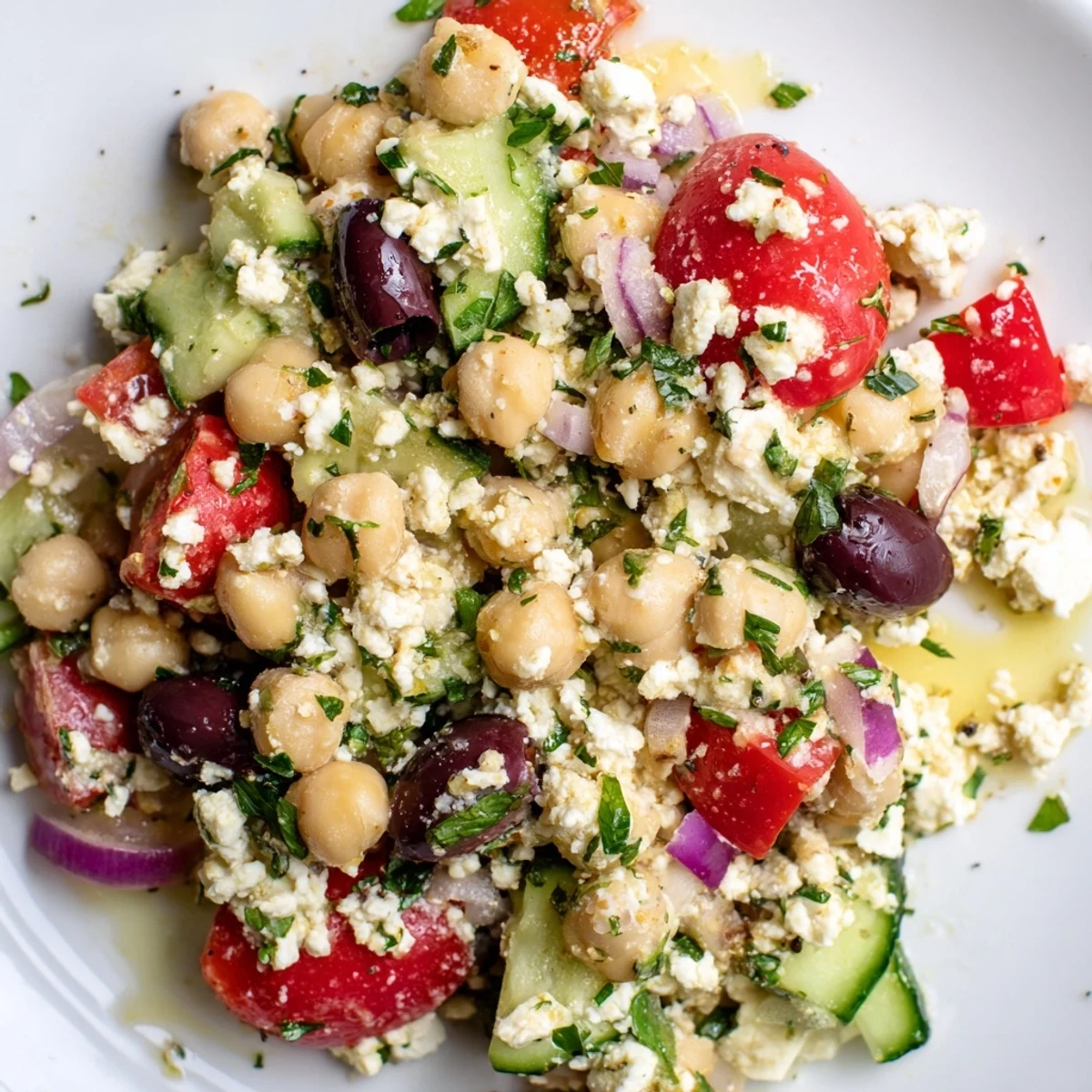
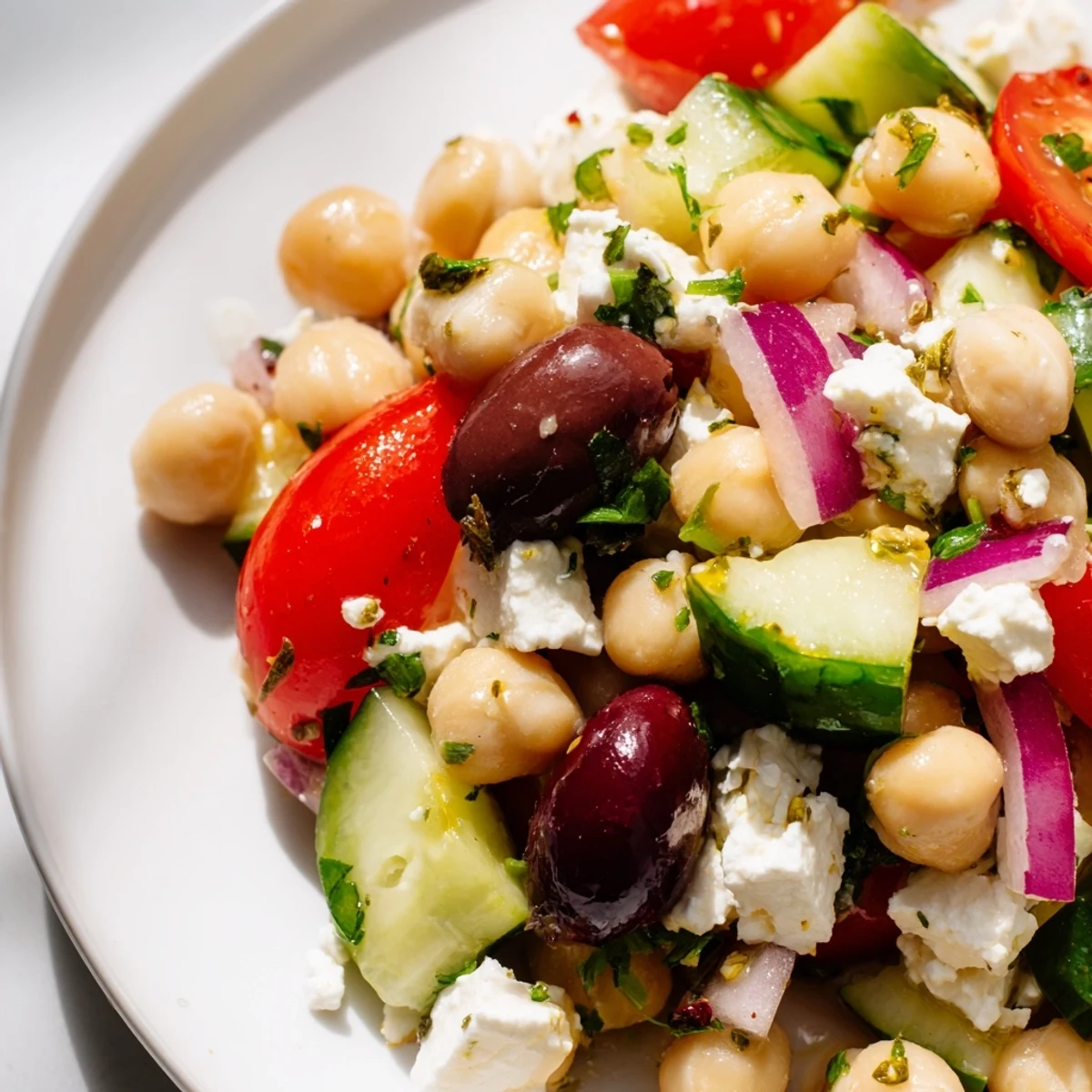
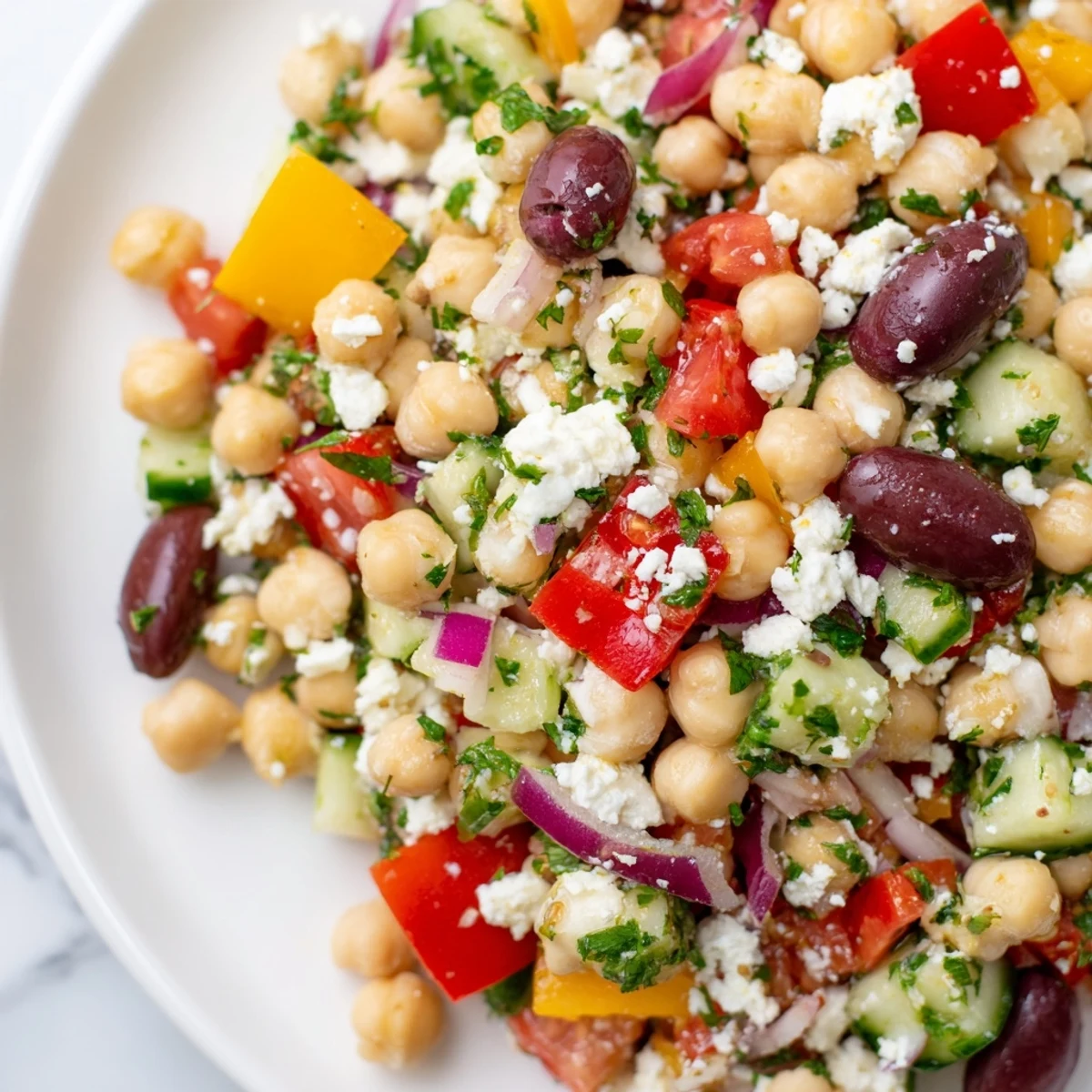
 This vibrant Mediterranean chickpea salad features tender chickpeas, juicy cherry tomatoes, crisp cucumber, red bell pepper, olives, and fresh herbs. Tossed with a bright lemon vinaigrette infused with garlic and oregano, it offers a burst of refreshing flavors perfect for a quick, light meal. Optional feta adds a creamy touch, while the salad can be enjoyed immediately or chilled to meld the flavors. Ideal for a nutritious lunch or flavorful side dish with Mediterranean flair.
There's something about a bowl of bright Mediterranean chickpeas that reminds me of a lazy afternoon at a farmer's market, wandering between stalls and collecting handfuls of sun-warmed tomatoes and crisp herbs. I made this salad once when a friend dropped by unexpectedly, and within minutes of chopping and tossing, we had something that tasted like we'd planned a feast. The lemon vinaigrette is what makes it sing—sharp, clean, and nothing like the bottled dressings I used to buy. It's the kind of salad that tastes even better after sitting in the fridge for a bit, like it's had time to think about itself.
I remember bringing this to a potluck and watching people go back for thirds, which never happens with salads. Someone asked if I'd bought it from a fancy deli, and I had to laugh—it was just things I'd chopped fifteen minutes before walking out the door. That moment taught me that simple, honest ingredients matter way more than complicated techniques or fancy presentations.
Ingredients
- Chickpeas (1 can, drained and rinsed): These are your protein backbone, and rinsing them well keeps the salad from tasting starchy or canned—a step worth the extra twenty seconds.
- Cherry tomatoes (1 cup, halved): Use the sweetest ones you can find, because they're doing half the flavor work here.
- Cucumber (1 cup, diced): This brings coolness and crunch that keeps everything from feeling heavy.
- Red bell pepper (1/2 cup, diced): It adds sweetness without being cloying, plus those gorgeous jewel tones.
- Red onion (1/4 cup, finely diced): Don't skip this—the sharpness cuts through the richness of the olive oil in a way that makes everything taste alive.
- Kalamata olives (1/4 cup, pitted and sliced): These are your umami moment, briny and intense, so a little goes a long way.
- Feta cheese (1/4 cup, crumbled): Creamy pockets of salt that melt into the other flavors; skip it for vegan, but the salad changes character without it.
- Fresh parsley and mint (2 tbsp each): These herbs keep everything tasting spring-like and fresh, even if you're eating this in the middle of winter.
- Extra-virgin olive oil (1/4 cup): This is where you splurge—good oil makes the whole thing taste Mediterranean, not just like regular salad.
- Fresh lemon juice (3 tbsp): Squeeze it yourself; bottled just tastes flat by comparison.
- Garlic (1 clove, minced): One tiny clove is enough to wake everything up without overpowering.
- Dried oregano (1 tsp): The signature spice that says Mediterranean, warm and slightly peppery.
- Sea salt and black pepper (1/2 tsp and 1/4 tsp): Season to taste, because good salt matters and pre-ground pepper loses its punch fast.
Instructions
- Prep your vegetables with care:
- Chop everything into bite-sized pieces—not too fine, or they'll disappear into the dressing, and not too chunky, or you'll be fighting them with every bite. The cucumber especially should stay crisp and distinct, so don't cut it far in advance or it'll weep water into the salad.
- Build the salad base:
- Combine the chickpeas, tomatoes, cucumber, bell pepper, red onion, olives, feta, and herbs in a large bowl. Toss it gently to get everything acquainted, but don't crush the chickpeas or break up the feta too much—you want distinct textures.
- Make the vinaigrette:
- Whisk the olive oil, fresh lemon juice, minced garlic, oregano, salt, and pepper in a small bowl or jar until the dressing emulsifies slightly and the garlic is evenly distributed. Taste it on a vegetable piece before adding it to the salad—it should taste bright and a little bold.
- Bring it together:
- Pour the vinaigrette over the salad and toss gently but thoroughly, making sure every ingredient gets coated. Don't be shy with the dressing; it should glisten but not pool.
- Season and serve:
- Taste it and adjust salt, pepper, or lemon juice if needed—salads are forgiving if you taste as you go. Serve right away if you like maximum crunch, or chill for thirty minutes if you want the flavors to get friendlier with each other.
 Pin it
 The first time I understood why this salad matters was when I made it for my grandmother, who usually picks at salads with suspicion. She went quiet for a moment after the first bite, then asked for the recipe—not to polite, but actually wanting to know. That's when I realized this isn't just food; it's proof that simple things, done well, matter.
Making It Your Own
This salad is a starting point, not a rulebook. I've added diced avocado for creaminess on days when I wanted something richer, swapped white beans for chickpeas when I didn't have cans in the pantry, and thrown in fresh dill when I had it on hand. The backbone of chickpeas and vinaigrette stays steady, but everything else bends to what you have and what you're hungry for. Once you understand how the flavors talk to each other—acid from lemon, salt from olives and feta, brightness from herbs—you can improvise without thinking.
Timing and Flexibility
The beauty of this salad is that it doesn't demand your attention in the moment. You can chop vegetables in the morning, make the dressing while your coffee brews, and toss it all together right before eating or right before you leave the house. It sits happily in the fridge, actually tasting better after an hour or two when the flavors have had time to mingle. On busy days, this is the salad I turn to because it asks for no cooking, no timing, just presence.
Serving and Pairing
Eat this as a light lunch on its own, or build something bigger around it. Warm pita bread on the side makes it a full meal, and it's brilliant with grilled chicken, roasted fish, or falafel if you want protein. It also lives in that perfect middle space of being substantial enough to feel like lunch but light enough that you don't need a nap afterward. I've even served it as a side at summer grills, where it holds its own next to heavier dishes and actually makes you feel refreshed.
- Pack it in a jar for lunch if you keep the dressing separate until just before eating.
- Add grilled protein or crumbled feta to make it more filling if you're planning it as your main course.
- Make a double batch on Sunday because you'll want to eat it all week.
 Pin it
 This salad has become my answer to a lot of kitchen questions—how do you feed people well without stress, how do you make something taste like you cared without spending hours cooking, how do you make vegetables taste like the best version of themselves. The answer, it turns out, is this bowl.
Recipe FAQ
- → Can I make this salad vegan?
-
Absolutely. Simply omit the feta cheese or substitute with a plant-based alternative to keep it fully vegan.
- → What are good substitutes for chickpeas?
-
White beans work well as a replacement, providing a similar texture and protein content.
- → How long should the salad be chilled before serving?
-
Chilling for about 30 minutes allows the flavors to meld beautifully, but it can be served immediately if preferred.
- → Can I add extra ingredients to this salad?
-
Yes, diced avocado adds creaminess, and serving with warm pita or grilled protein can create a heartier dish.
- → Is this salad suitable for gluten-free diets?
-
Yes, all ingredients are naturally gluten-free, making it suitable for gluten-sensitive individuals.