
 Pin it
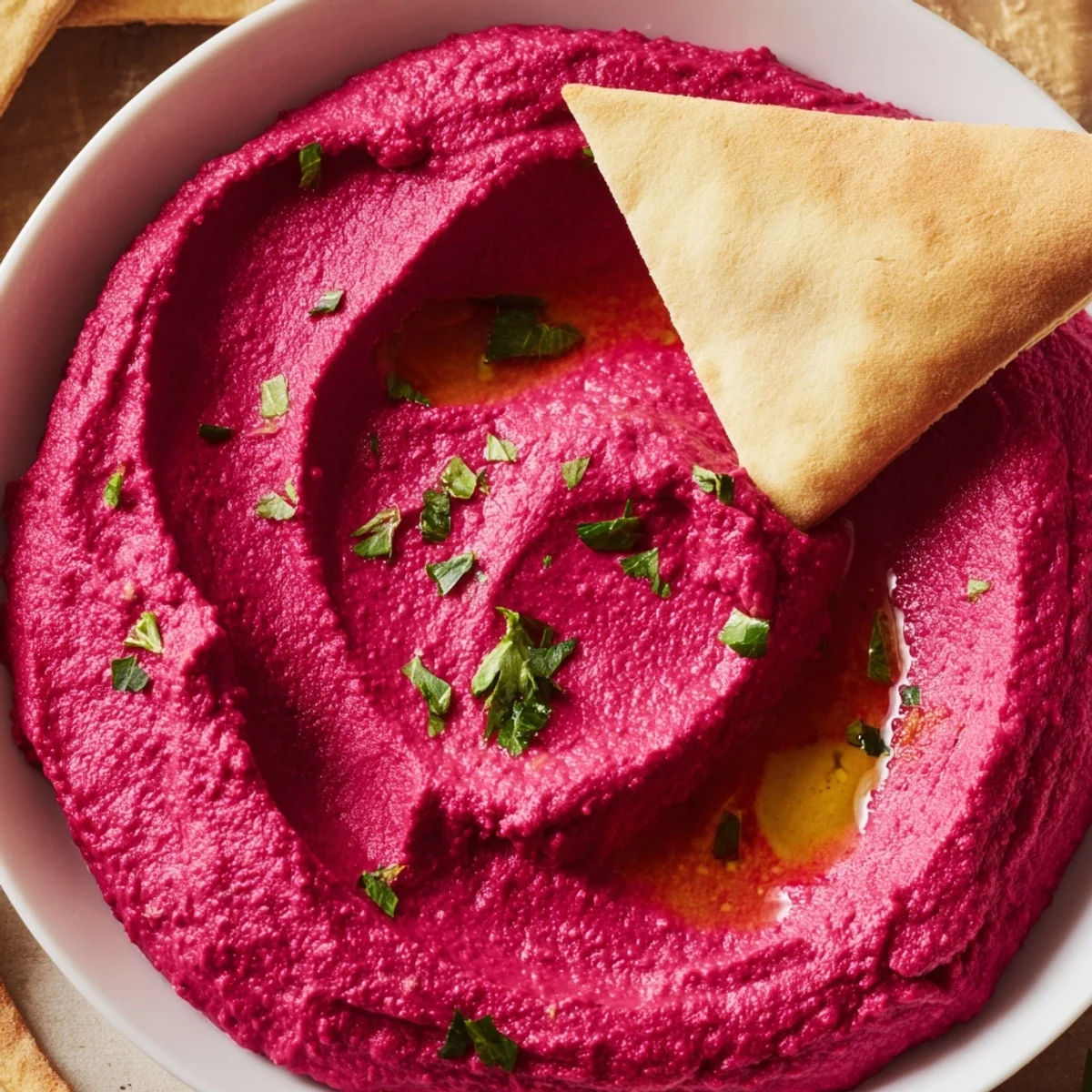
 This creamy spread features tender roasted beets blended with tahini, chickpeas, lemon, and garlic for a vibrant flavor. Crisp pita triangles, seasoned with olive oil, salt, and paprika, add a crunchy contrast. Perfect for shared platters or a healthy snack, the preparation involves roasting, blending, and baking to create a balanced dish that is both colorful and nourishing.
There's something almost magical about the first time beet juice stains your fingertips—suddenly this humble root vegetable feels precious, even before it hits the oven. I stumbled into roasted beet hummus quite by accident, actually, when a farmers market vendor handed me a bunch of beets I wasn't sure what to do with, and I remembered my grandmother mentioning something about sweetness in unexpected places. The result was so vibrant and impossibly creamy that I've been making it ever since, usually with golden pita chips still warm enough to almost burn my fingers.
I'll never forget serving this at a dinner party where one guest admitted she usually avoided anything beet-colored, convinced it would taste earthy or bitter. She came back for thirds, genuinely shocked, and from then on I knew this recipe had quietly crossed over from my kitchen experiment to something worth sharing again and again.
Ingredients
- 1 medium beet, trimmed and scrubbed: The foundation of everything—choose one that feels heavy for its size, a sign of good moisture content. Don't peel it before roasting; the skin acts as protection and comes off easily once tender.
- 1 can (15 oz) chickpeas, drained and rinsed: This is your protein and creaminess all at once. Some people swear by dried chickpeas cooked from scratch, and honestly, they do taste slightly richer, but canned is the practical choice that still delivers.
- 3 tbsp tahini: The secret ingredient that makes this taste authentic and silky. Buy good tahini if you can—the flavor difference is real and worth it.
- 2 tbsp fresh lemon juice: Squeeze it yourself rather than using bottled; the brightness matters more here than you'd think.
- 1 small garlic clove, minced: Just one, because you want the beet to shine, not get overpowered by heat.
- 2 tbsp olive oil, plus more for drizzling: Use something you'd actually eat on bread, not your budget bottle. You taste it directly in this dish.
- 1/2 tsp ground cumin: This tiny amount adds warmth and an almost invisible depth that people can't quite identify but somehow makes everything taste better.
- 1/2 tsp salt, or to taste: Hold back a pinch—you'll adjust at the end once everything is blended.
- 1/4 tsp black pepper: Fresh cracked if you have it.
- 2–3 tbsp cold water: The secret to controlling creaminess without diluting flavor; add it gradually and stop when the texture feels right to you.
- 3 pita breads (white or whole wheat): Fresh if possible; even a day-old pita will crisp up beautifully in the oven.
- 2 tbsp olive oil and 1/2 tsp sea salt for the chips: The smoked paprika is optional, but it adds a warm, almost smoky note that feels sophisticated.
Instructions
- Roast the beet until it's completely tender:
- Wrap your beet tightly in foil—this keeps it from drying out and makes cleanup easier. Pop it in a 400°F oven for 40–45 minutes, depending on size. You'll know it's ready when a fork slides through like it's butter. The kitchen will smell incredible, almost like caramelized earth and sweetness mixed together.
- Make the pita chips while the beet finishes:
- Slice your pita breads into triangles, then toss them gently with olive oil, salt, and paprika if you're using it. Spread them out on a baking sheet in a single layer—don't let them stack—and bake at 375°F for 10–12 minutes, turning them halfway through. They should be golden and make a satisfying snap when you bend them.
- Cool the beet and peel away the skin:
- This is where the beet juice stains happen, so maybe wear an apron you don't mind. Let it cool just enough to handle, then the papery skin will slip off under cool running water. Chop it into rough chunks.
- Blend everything into creamy magic:
- Add the beet, chickpeas, tahini, lemon juice, garlic, olive oil, cumin, salt, and pepper to a food processor. Blend until the texture looks mostly smooth but still holds a bit of character. The color at this point is pure fuchsia.
- Add water gradually until it's the consistency you want:
- With the processor still running, pour in cold water one tablespoon at a time. Stop frequently to check the texture—you want it creamy and spoonable, not stiff like hummus from a container in the store. This is also your last chance to adjust salt or lemon juice.
- Serve with flair:
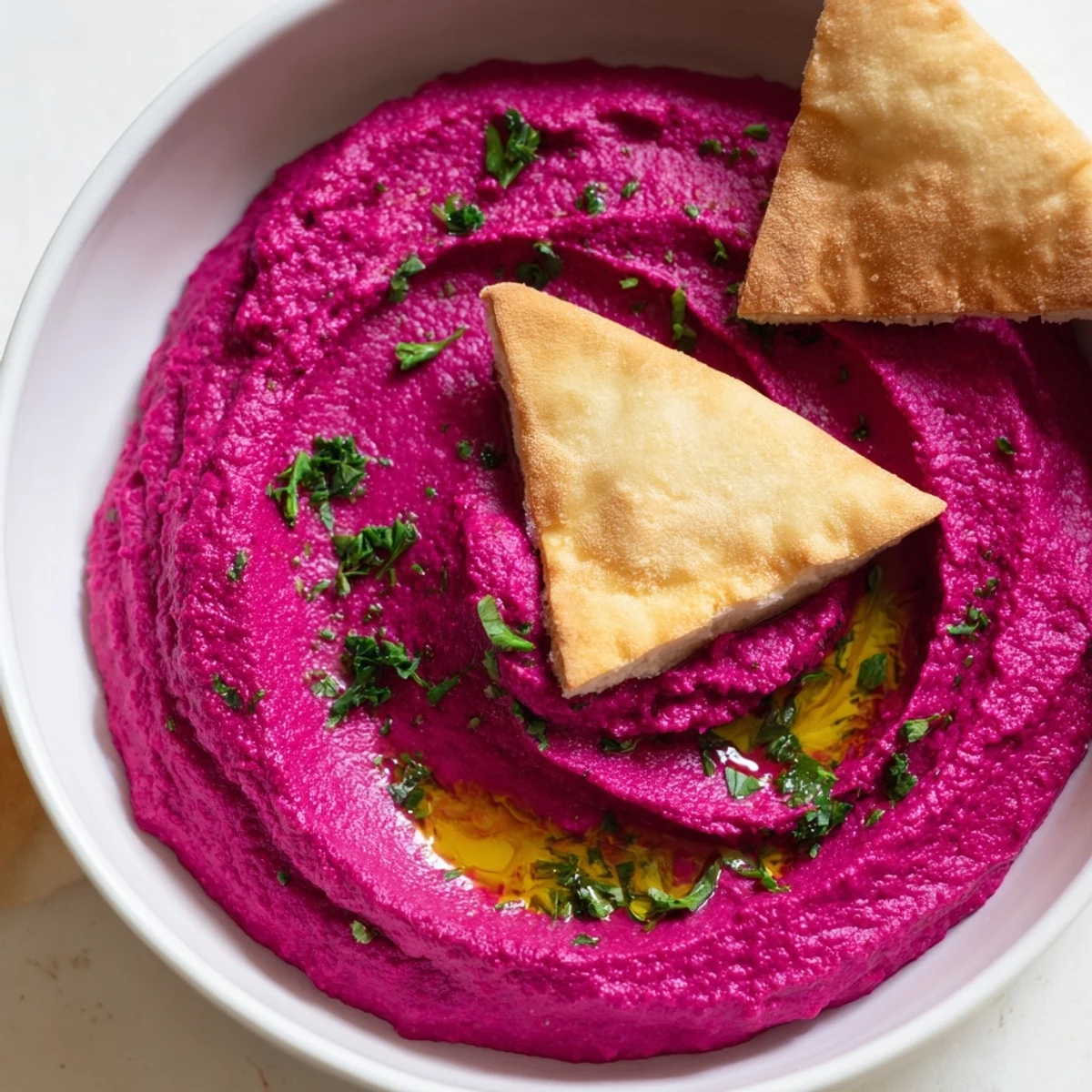
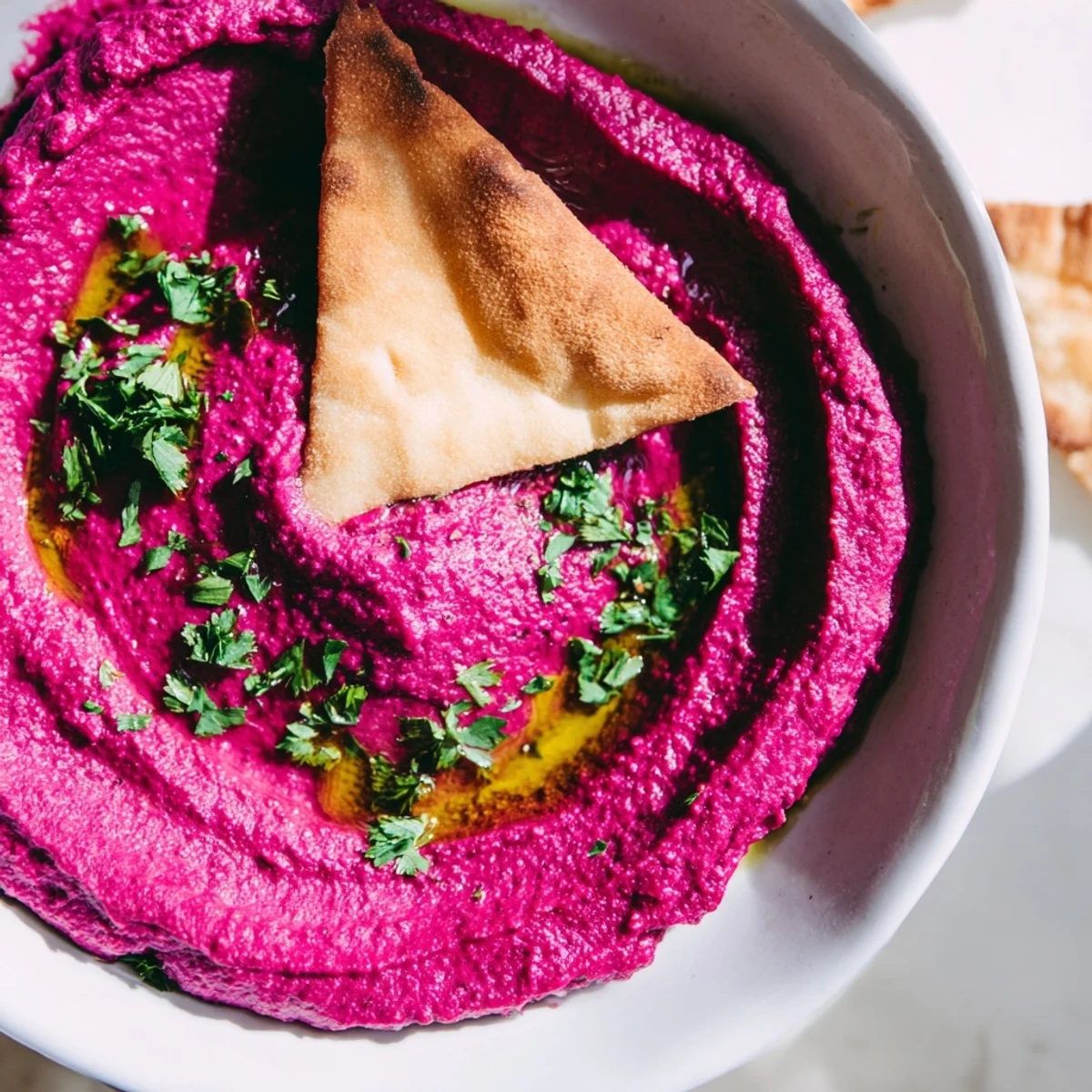
- Pour the hummus into a bowl and drizzle olive oil in a spiral pattern on top. A pinch of cumin or some fresh herbs transforms it from simple to intentional. Arrange the warm pita chips around it and watch them disappear.
 Pin it
 There's a particular joy in watching someone taste this hummus for the first time, the moment their expression shifts from curiosity to genuine delight. It's that perfect intersection of healthy and indulgent, simple and impressive, which somehow makes it worth making again and again.
Why This Combination Works
Beets are naturally sweet, earthy, and slightly mineral-tasting—qualities that could easily go wrong. But tahini is there to anchor that sweetness with deep, nutty richness, while lemon juice cuts through both with brightness and prevents the whole thing from tasting heavy. It's a balance that feels completely intentional once you taste it, even though it's such a simple combination. The cumin adds warmth that makes you feel like you're eating something with layers and complexity.
Storage and Keeping
The hummus keeps for about five days in the refrigerator in an airtight container, and honestly, it tastes even better on day two once the flavors have time to get to know each other. The pita chips are best enjoyed the same day while they're still crispy, though you can store them in an airtight container for up to two days and re-crisp them in a low oven if they soften.
Variations and Flexibility
This recipe is more flexible than it initially appears. You can roast your beets alongside other vegetables if you're already heating the oven, or use pre-roasted beets from the grocery store if time is tight—just drain any excess liquid first. If tahini isn't something you have on hand, almond butter or even well-toasted sesame oil can stand in, though the flavor will shift slightly. Serve it with vegetables, whole grain crackers, or spread it on toast instead of chips if you're in the mood for something different. The formula is really just roasted beet plus a creamy binder plus bright acidity, and once you understand that, you can improvise from there.
- Add roasted garlic instead of raw for a softer, sweeter version that's less assertive.
- Stir in fresh herbs like dill or mint after blending for a completely different character.
- A handful of pomegranate seeds scattered on top adds tartness and visual drama.
 Pin it
 This dish has quietly become the thing people remember from my table, which still surprises me given how simple it is. There's something deeply satisfying about serving food that looks this beautiful and tastes this good while being completely honest about what it is.
Recipe FAQ
- → How do I roast the beets properly?
-
Wrap trimmed beets in foil and roast at 400°F for 40–45 minutes until fork-tender. Let cool before peeling and chopping.
- → What gives the spread its creamy texture?
-
The combination of tahini, chickpeas, and added water blended together creates a smooth, creamy consistency.
- → Can I make the pita chips crispier?
-
Ensure even coating with olive oil and bake at 375°F, flipping halfway to achieve golden, crisp pita chips.
- → What seasoning enhances the flavor of the chips?
-
Sea salt and smoked paprika provide a subtle smoky and savory note to the pita chips.
- → Are there alternatives for gluten-free options?
-
Use gluten-free pita or vegetable sticks for dipping to accommodate gluten-free diets.