
 Pin it
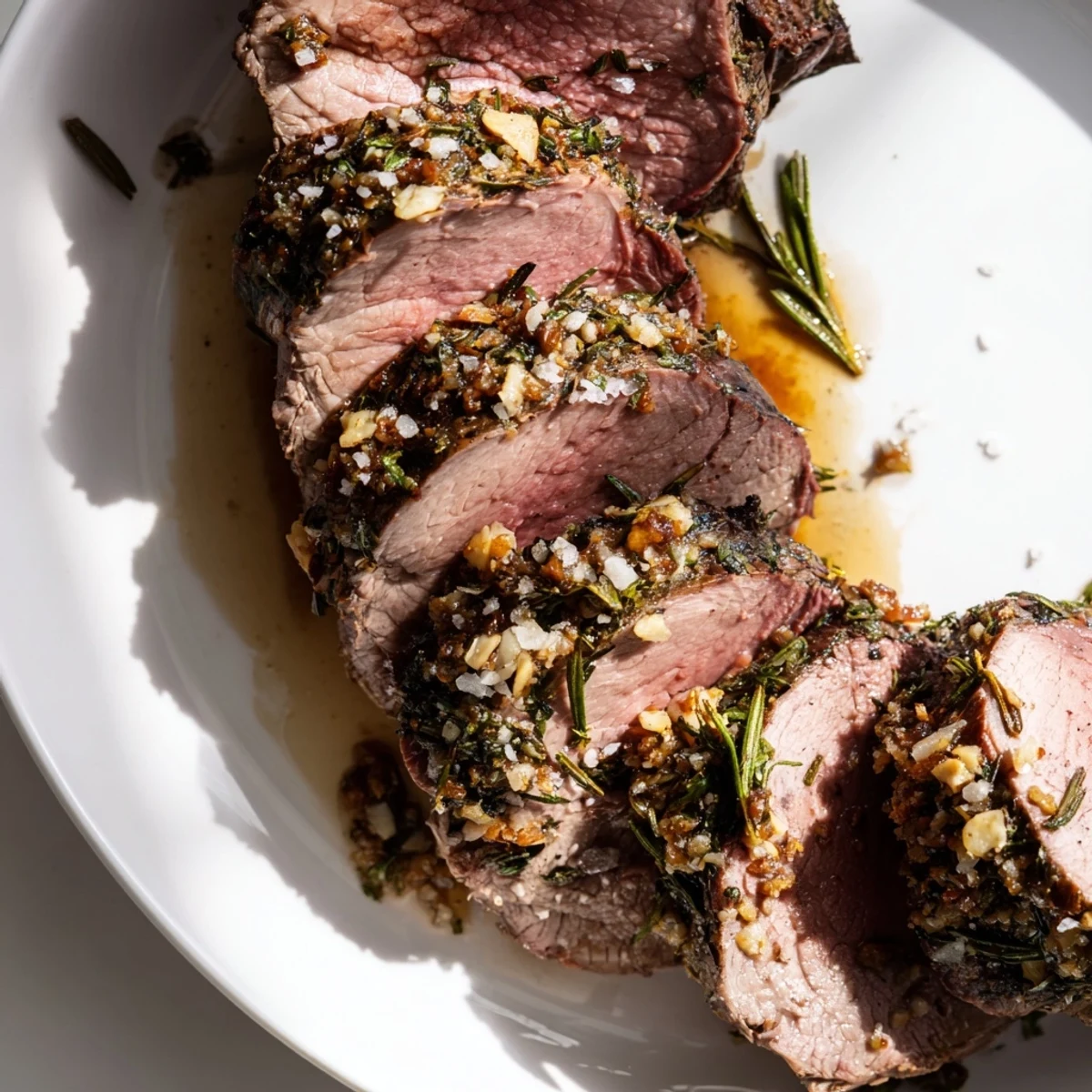
 This dish features a bone-in leg of lamb enhanced by a savory anchovy and rosemary paste, creating deep layers of flavor. The lamb is scored for better marinade absorption, then coated and seasoned before roasting to medium-rare. White wine and stock in the roasting pan contribute to a rich sauce reduced from pan juices. Resting the meat allows juices to redistribute, ensuring tender, flavorful slices perfect for gatherings.
I once brought this lamb to a neighbor's dinner party, and the host pulled me aside halfway through the meal to ask what I'd done to make it taste like that. The anchovy had melted into the meat so completely that no one could name the secret, just that it tasted deeper and richer than any roast they'd had before. I didn't tell them until dessert, and even then, half the table didn't believe me.
The first time I made this, I was nervous about the anchovies, so I only used three fillets and the lamb came out good but not great. The next time I used the full six and understood what the recipe was actually asking for: not fishiness, but a quiet savory hum that sits under the rosemary and garlic like a foundation. Now I don't skip a single fillet.
Ingredients
- Bone-in leg of lamb: The bone keeps everything juicy and adds flavor to the pan drippings, and it's worth asking your butcher to trim off excess fat so you don't have to.
- Anchovy fillets: These melt into the meat and turn savory without any trace of the sea, choose oil-packed ones and drain them well.
- Fresh rosemary: Dried rosemary won't give you the same bright, piney fragrance, so if you can only find dried, use half the amount and add it to the olive oil first to wake it up.
- Garlic cloves: Minced fine so it blends into the paste, raw garlic mellows completely in the oven and turns sweet.
- Lemon zest: Just the yellow part, the white pith will make everything bitter.
- Dry white wine: Anything you'd drink works, it keeps the pan moist and builds the base of the sauce.
- Chicken or lamb stock: Low-sodium is key because the anchovies and salt are already doing a lot of work.
- Coarse sea salt: Flaky salt sticks to the surface and gives you little bursts of seasoning in every bite.
Instructions
- Preheat and prep the lamb:
- Set your oven to 220°C (425°F) and pull the lamb out of the fridge to take the chill off. Pat it completely dry with paper towels, then use a small sharp knife to make deep slits all over, especially in the thickest parts.
- Make the anchovy paste:
- Chop the anchovies as fine as you can, then mix them in a small bowl with the garlic, rosemary, thyme, black pepper, lemon zest, and olive oil. It should look like a rough, fragrant paste that clings to the spoon.
- Rub the lamb:
- Use your hands to work the paste all over the lamb, pressing it into the slits and massaging it into every surface. Don't be shy, this is where all the flavor comes from.
- Season and set up the pan:
- Sprinkle the coarse sea salt evenly over the lamb, then set it on a rack in a large roasting pan. Pour the wine and stock into the bottom of the pan, not over the lamb.
- Roast hot, then low:
- Roast at 220°C for 20 minutes to get a good crust, then turn the oven down to 180°C and keep roasting for another hour and 10 minutes, or until a meat thermometer reads 57°C in the thickest part. The kitchen will smell incredible.
- Rest and serve:
- Move the lamb to a cutting board, tent it loosely with foil, and let it rest for 20 minutes so the juices settle back into the meat. Skim any fat off the pan juices, simmer them down if you want a thicker sauce, and serve everything together.
 Pin it
 I served this at a birthday dinner once, and my friend who claimed she didn't like lamb asked for seconds. She said it didn't taste like lamb, it just tasted like really, really good meat. I took that as the highest compliment, because that's exactly what a perfect roast should do, it should taste like itself, only better than you thought possible.
What to Do with Leftovers
Cold sliced lamb makes the best sandwiches, especially with arugula, a smear of Dijon, and a drizzle of the cold pan juices. I've also torn it into chunks and tossed it with orzo, feta, and cucumbers for a quick lunch that tasted like I'd planned it all along. The meat stays tender for up to three days in the fridge if you wrap it tightly.
How to Know When It's Done
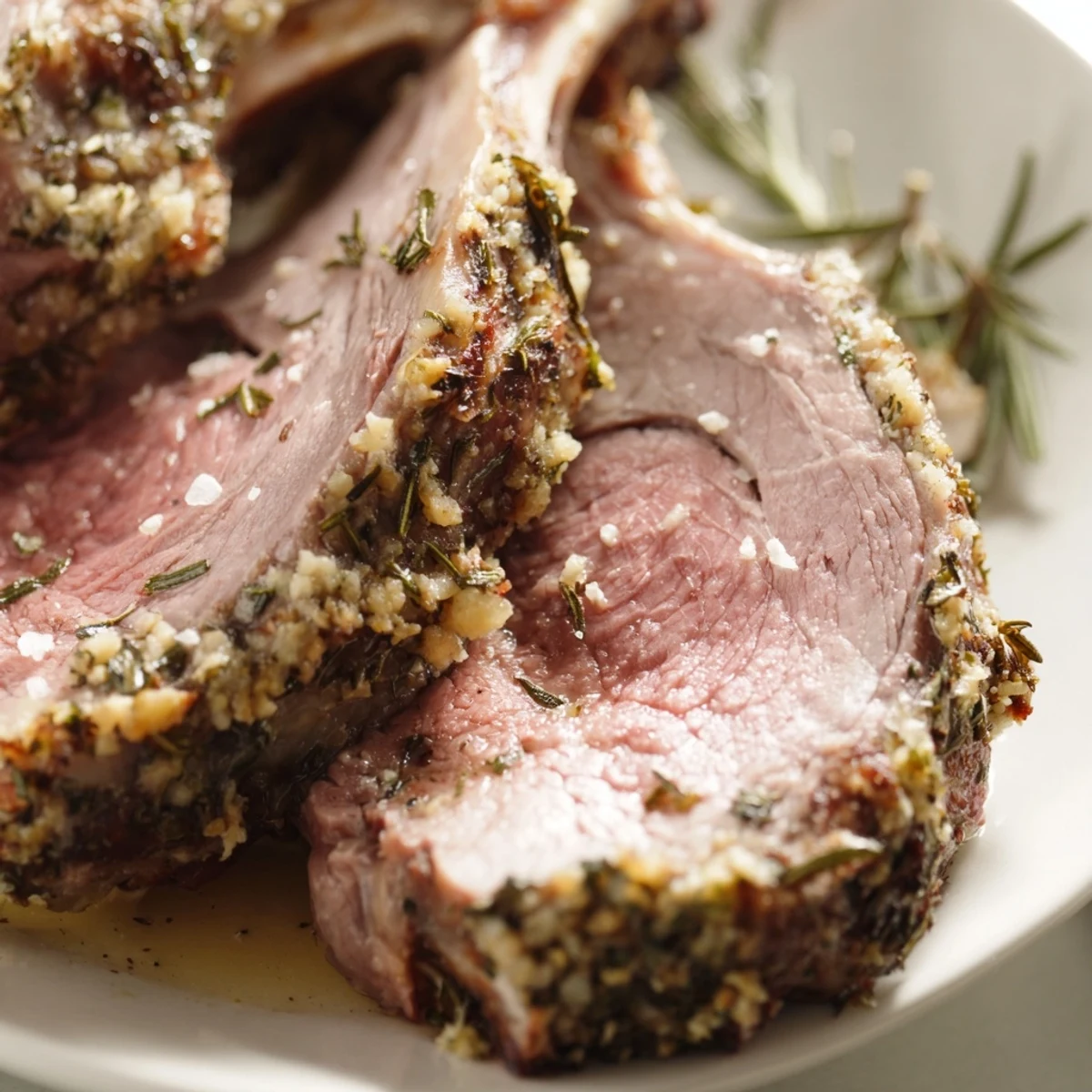
A meat thermometer is the only way to be sure, and you want to stick it into the thickest part of the leg without touching the bone. Medium-rare is 57°C, medium is 63°C, and anything past that starts to lose the tenderness that makes lamb special. I always pull it at 57°C, let it rest, and it comes out perfect every time.
Vegetables to Roast Alongside
I usually throw halved baby potatoes and whole shallots into the roasting pan about 40 minutes before the lamb is done, and they soak up all the drippings and turn golden and soft. Carrots work too, but I like to toss them in olive oil first so they don't dry out. Everything cooks together and you end up with a full meal from one pan.
- Toss the vegetables in a little olive oil and salt before adding them to the pan.
- Stir them once or twice while the lamb roasts so they brown evenly.
- If they start to stick, add a splash more stock or wine to the pan.
 Pin it
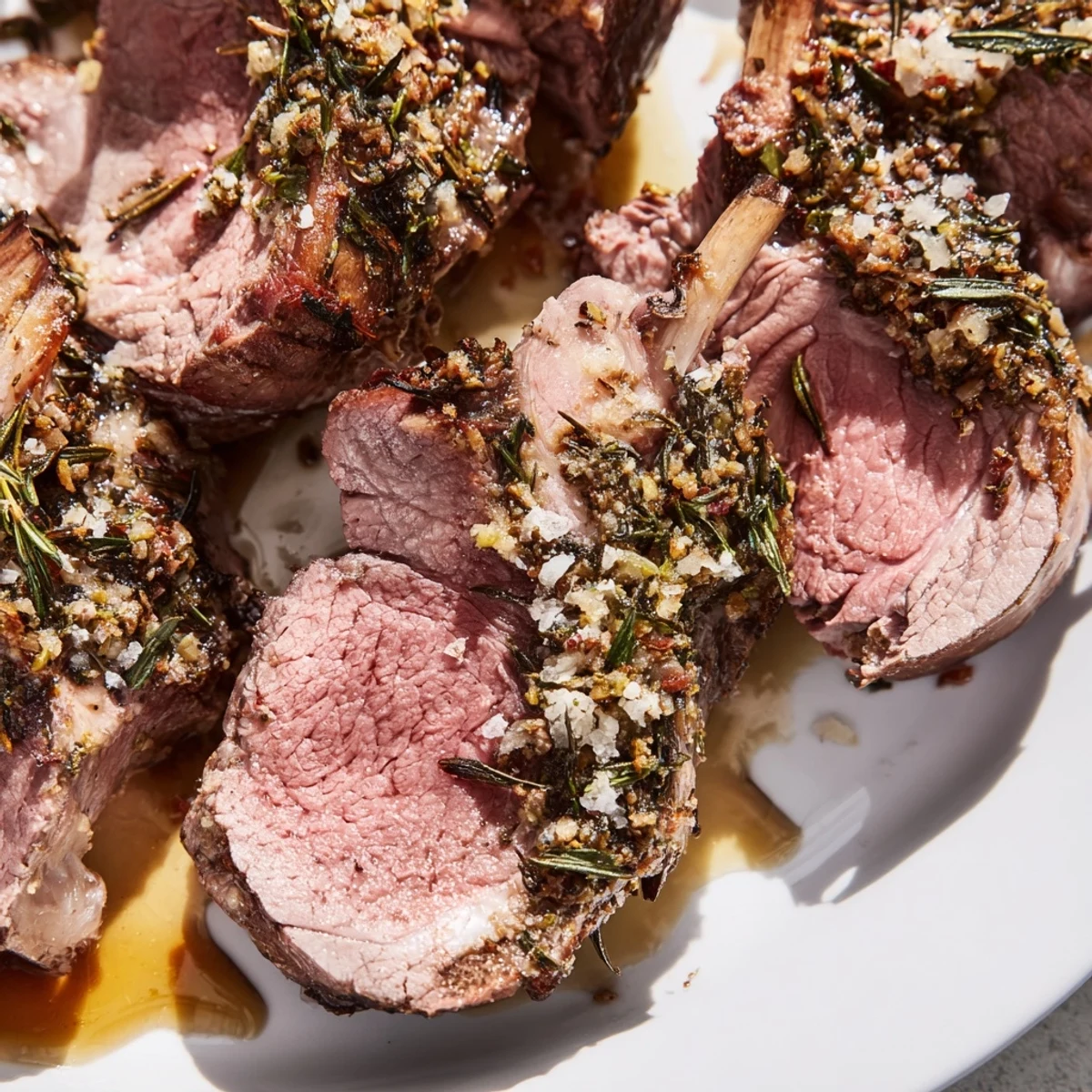
 This lamb has become my go-to for any meal that matters, because it's the kind of dish that makes people feel cared for without you having to say a word. I hope it does the same for you.
Recipe FAQ
- → How do anchovies affect the flavor?
-
Anchovies add a subtle, savory depth without a fishy taste, enhancing the meat's natural richness.
- → What is the purpose of slitting the lamb?
-
Slits allow the anchovy-rosemary paste to penetrate deeper, infusing the meat with flavor throughout.
- → How long should the lamb rest after roasting?
-
Rest the lamb for about 20 minutes to let juices redistribute, resulting in moist, tender slices.
- → Can this be paired with specific wines?
-
Robust reds like Syrah or Cabernet Sauvignon complement the rich flavors of this lamb dish well.
- → Is it possible to add vegetables while roasting?
-
Yes, adding halved potatoes, carrots, or shallots to the roasting pan creates a complete, flavorful meal.