
 Pin it
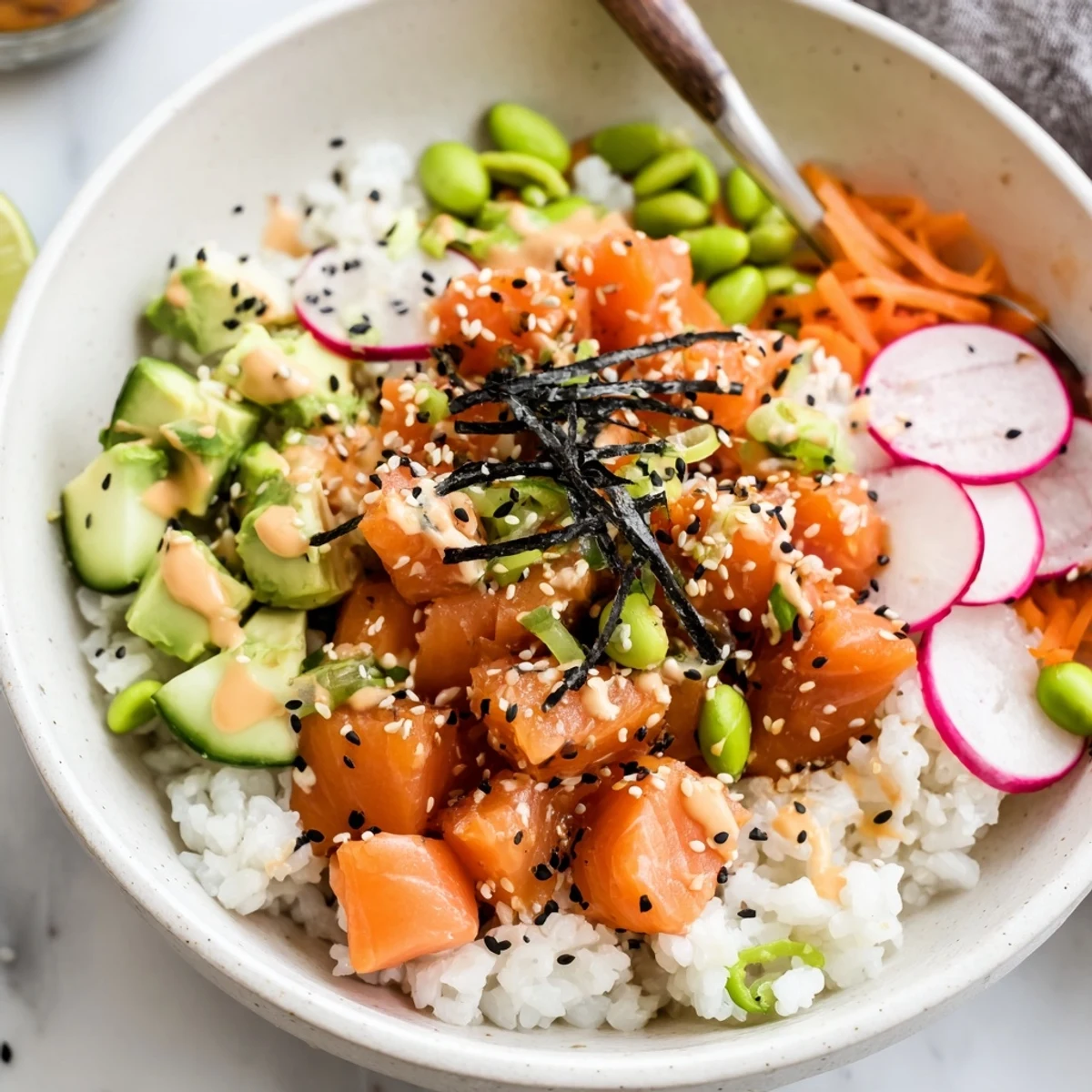
 Marinate sushi-grade salmon in soy, sesame oil, rice vinegar, honey, grated ginger and garlic for at least 10 minutes to build flavor while you season cooled sushi rice with rice vinegar, sugar and salt. Assemble bowls with diced avocado, cucumber, carrot, radish, edamame and pickled ginger, finish with sesame seeds, green onion and a drizzle of spicy mayo. Swap in tofu or brown rice for easy variations and serve with lime wedges.
When I first wandered into a tiny Waikiki lunch spot after a long swim, the scent of toasted sesame oil and the colors of poke bowls piled high behind glass instantly drew me in. Fresh salmon glistened beside sliced vegetables so vivid they looked painted on. Recreating that poke bowl at home later was less about exact measurements and more about the fun of tossing together whatever crisp, crunchy, and creamy bits I had on hand. You never really know how lively your bowl will look until you're done assembling it.
The first time I made this for my friends, we ended up making a game out of who could create the prettiest bowl—that friendly competition turned dinner into laughter-filled chaos. Someone even slipped a lime wedge into mine when I wasn&apost looking, which actually turned out to be the perfect finishing touch.
Ingredients
- Sushi-grade fresh salmon: It&aposs really important to use super-fresh, sushi-grade fish—don&apost be shy about asking your fishmonger any food safety questions.
- Soy sauce (or tamari): The base of the marinade, I find tamari brings a slightly deeper savoriness and is perfect if you need it gluten-free.
- Sesame oil: A little goes a long way for that rich, nutty aroma that fills the kitchen the moment it hits the bowl.
- Rice vinegar: This adds a gentle tang to both the marinade and the rice, balancing everything.
- Honey or agave syrup: Just a hint of this brings mellow sweetness to tame the salty and tart flavors.
- Fresh ginger and garlic: Trust me, grating them fresh really perks up the whole bowl.
- Sushi rice: I love how the sticky, chewy grains hold up all the toppings without getting soggy—seasoning the rice after cooking makes all the difference.
- Avocado: Goes in creamy and slightly cool; always choose one that yields a bit when pressed but isn&apost mushy.
- Cucumber, carrot, radishes: All add crunch and color, and thin slicing keeps every bite delicate.
- Pickled ginger & edamame: Their punchy brightness and pop really help balance the richness of the salmon.
- Sesame seeds & green onions: The toasty crunch and gentle green bite are the finishing touches I never skip.
- Seaweed sheets (optional): Adds a touch of ocean flavor and a fun, chewy texture—sometimes I like to cut them into strips and tuck them in.
- Sriracha or spicy mayo (optional): For a quick hit of heat, but taste before you drizzle—it can sneak up on you.
- Lime wedges: A quick squeeze over everything just before eating adds instant brightness.
Instructions
- Marinate the Salmon:
- In a sturdy mixing bowl, whisk together soy sauce, sesame oil, rice vinegar, honey, ginger, and garlic until the smell gets your appetite going. Toss in the diced salmon carefully and cover—chill it in the fridge for just long enough to let the flavors do their magic.
- Season the Rice:
- While the salmon marinates, mix your cooled sushi rice with rice vinegar, sugar, and salt using a paddle or spatula—it should glisten and clump just a little, not mushy or dry.
- Prep the Toppings:
- Take a few moments here slicing avocado, cucumber, radish, carrot, and green onions; use a sharp knife for precise, thin slices so each bite is balanced and crisp.
- Assemble the Bowls:
- Scoop the seasoned rice into four bowls and use the back of a spoon to create little valleys for toppings; it&aposs ok if your hands get a little sticky at this point.
- Add Salmon and Arrange Toppings:
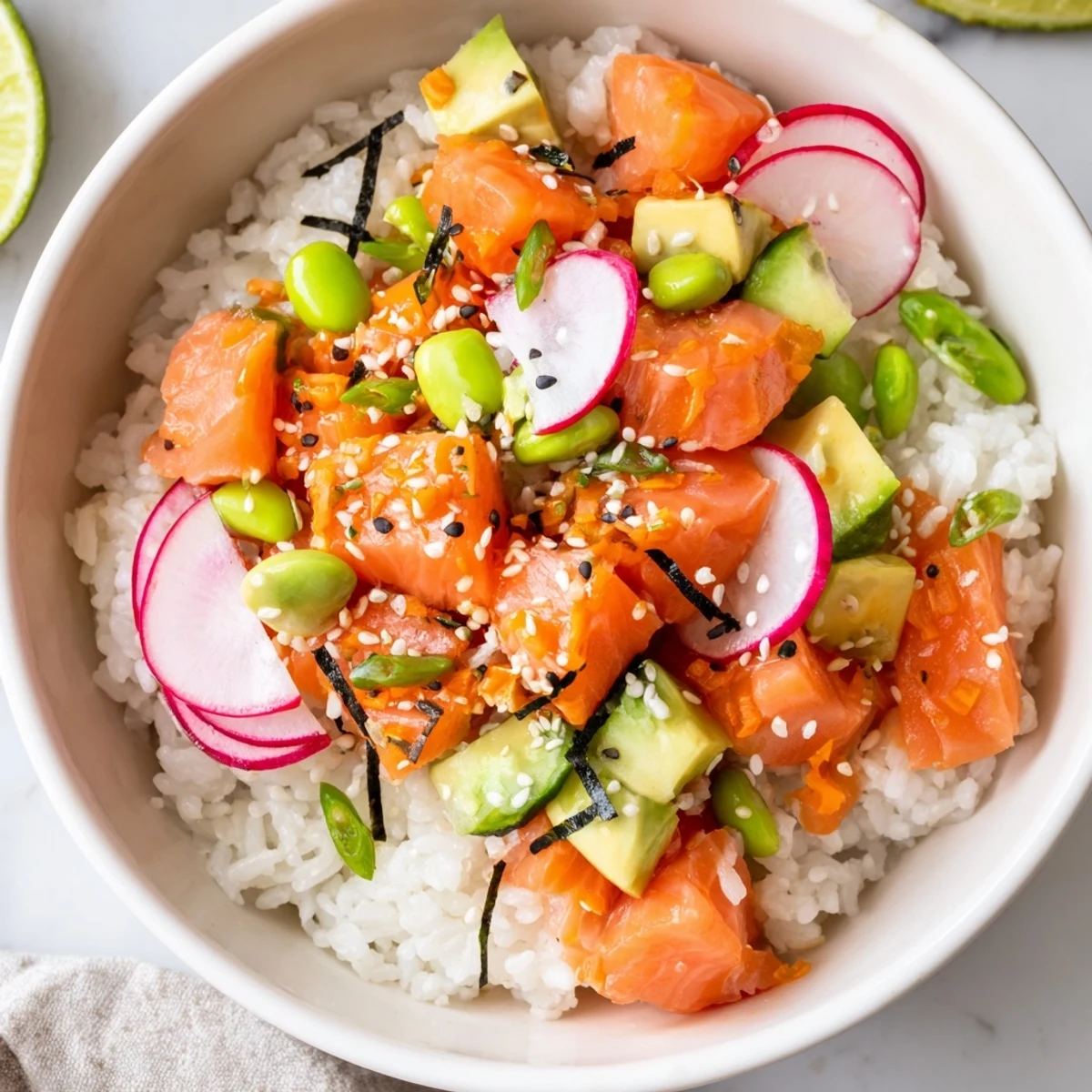
- Ladle the marinated salmon over the rice, then artfully arrange avocado, veggies, pickled ginger, edamame, sesame seeds, and green onions on top—think of it like painting with flavor.
- Garnish and Finish:
- Drizzle lightly with spicy mayo or sriracha if you like heat, scatter on extra sesame seeds, and tuck in some strips of seaweed if using.
- Serve:
- Squeeze fresh lime and dig in right away—the cool, bright, savory bites are meant to be enjoyed immediately.
 Pin it
 There was a night when my sister came over ravenous and we improvised these poke bowls together, swapping stories while we sliced cucumbers thin enough to see the light through—they&apose become a go-to comfort meal whenever anyone is in need of something nourishing and cheerful.
How I Like to Change It Up
Some days I swap the salmon for cubes of tofu or even seared shrimp, and the bowl is just as satisfying. Trying out different crunchy bits—like shredded red cabbage or quick-pickled onions—has made this feel like a new recipe every time, especially when friends bring things to share.
The Secret to Super Fresh Flavor
The times I&aposve had truly unforgettable poke bowls were always when I remembered to use absolutely fresh ingredients, especially the salmon and the vegetables. Keeping your knife as sharp as possible really helps make clean slices and keeps those beautiful colors intact.
Quick Prep and Make-Ahead Tips
When I know a busy day is ahead, I prep the veggies and rice in the morning, then just marinate the fish right before eating. Having toppings ready in containers makes weeknight poke bowls almost as easy as making a sandwich.
- Chop veggies just before serving to keep them crisp.
- If making ahead, keep everything separated until the last minute for the freshest taste.
- Don't forget to chill the bowls ahead of time for a refreshing touch in warm weather.
 Pin it
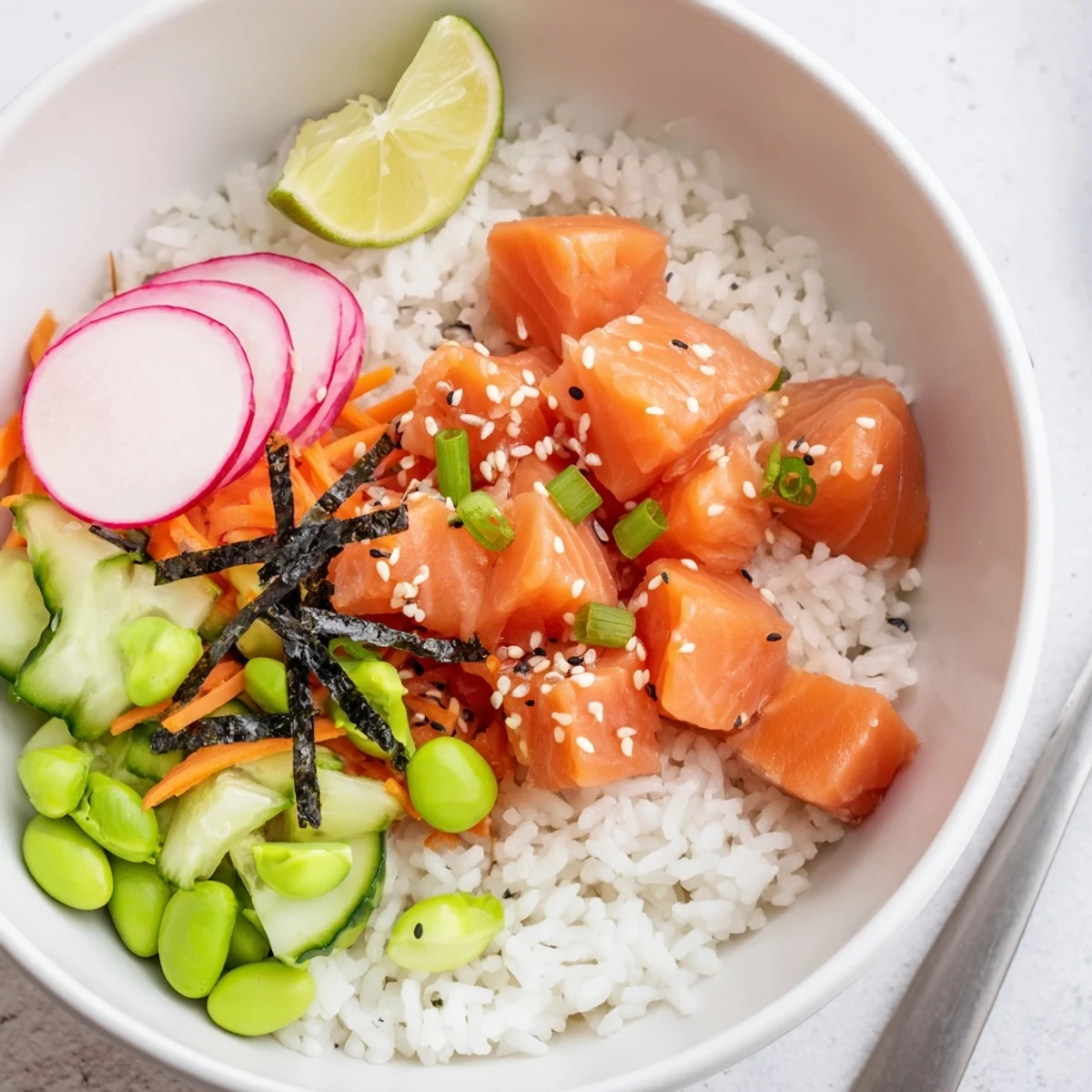
 Poke bowls turn dinner into a mood-brightening, joyful kind of meal. I hope this version brings a bit of fresh, fun energy to your table too.
Recipe FAQ
- → Can I use frozen salmon?
-
Use fully thawed, very fresh sushi-grade salmon for raw preparations. If using previously frozen fish, ensure it has been thawed in the refrigerator and drained before marinating to preserve texture.
- → How long should the salmon marinate?
-
Ten to twenty minutes is enough to season the salmon and allow flavors to penetrate without breaking down the flesh. Avoid marinating much longer to keep the texture firm.
- → What rice works best as the base?
-
Short-grain sushi rice seasoned with rice vinegar, sugar and salt gives the classic texture. For a lighter option, swap in brown rice or cauliflower rice; adjust seasoning to taste.
- → How can I make this gluten-free?
-
Use tamari or a certified gluten-free soy sauce in both the salmon marinade and any sauces. Check labels on pickled ginger and other packaged toppings for hidden gluten.
- → What are good substitutions for salmon?
-
Firm tofu cubes marinated the same way make a satisfying vegetarian alternative. Cooked shrimp or seared tuna are also tasty swaps if you prefer a different protein.
- → How should I garnish and serve the bowls?
-
Top bowls with sesame seeds, thinly sliced green onions, pickled ginger and a drizzle of spicy mayo or sriracha. Serve immediately with lime wedges for a bright finish that cuts the richness.