
 Pin it
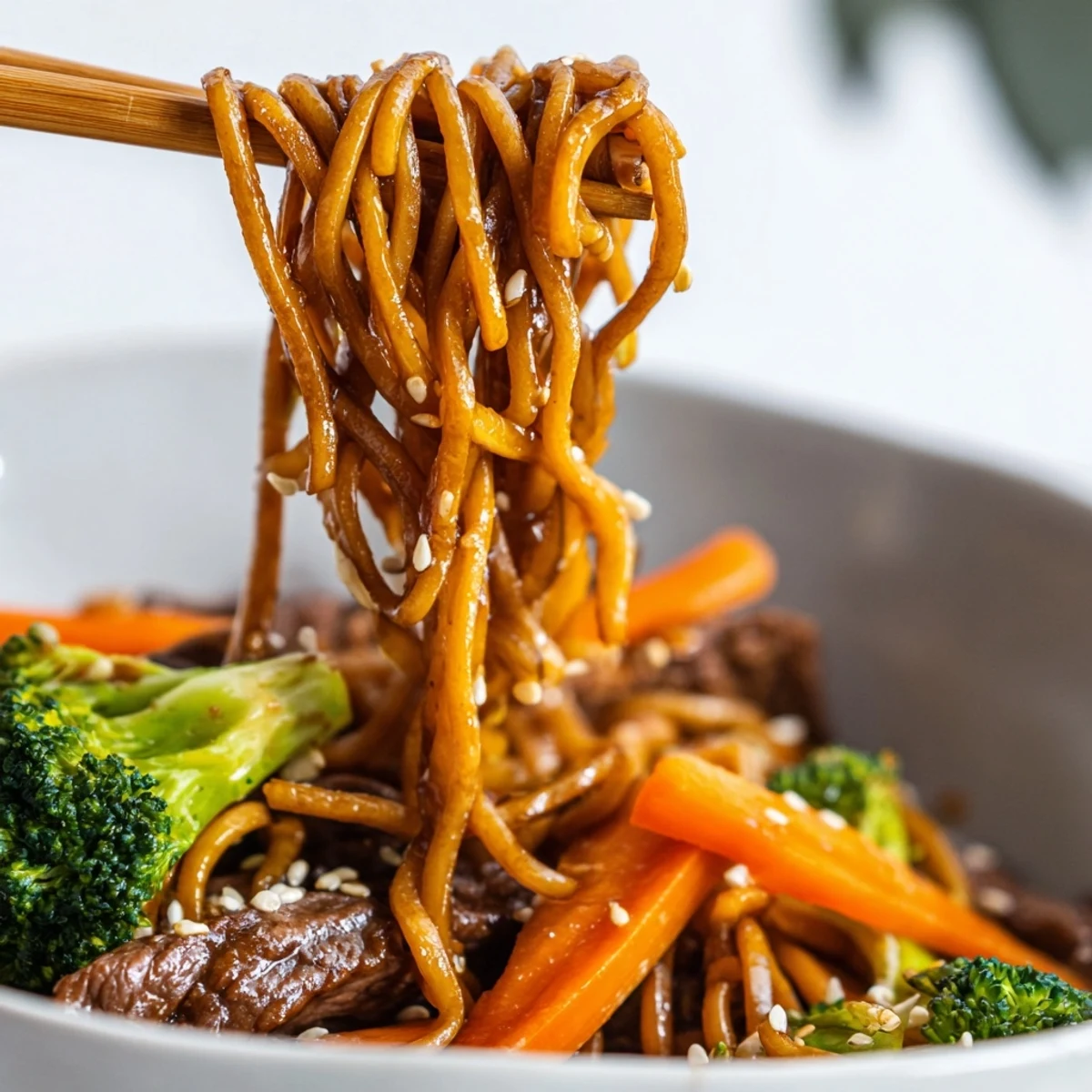
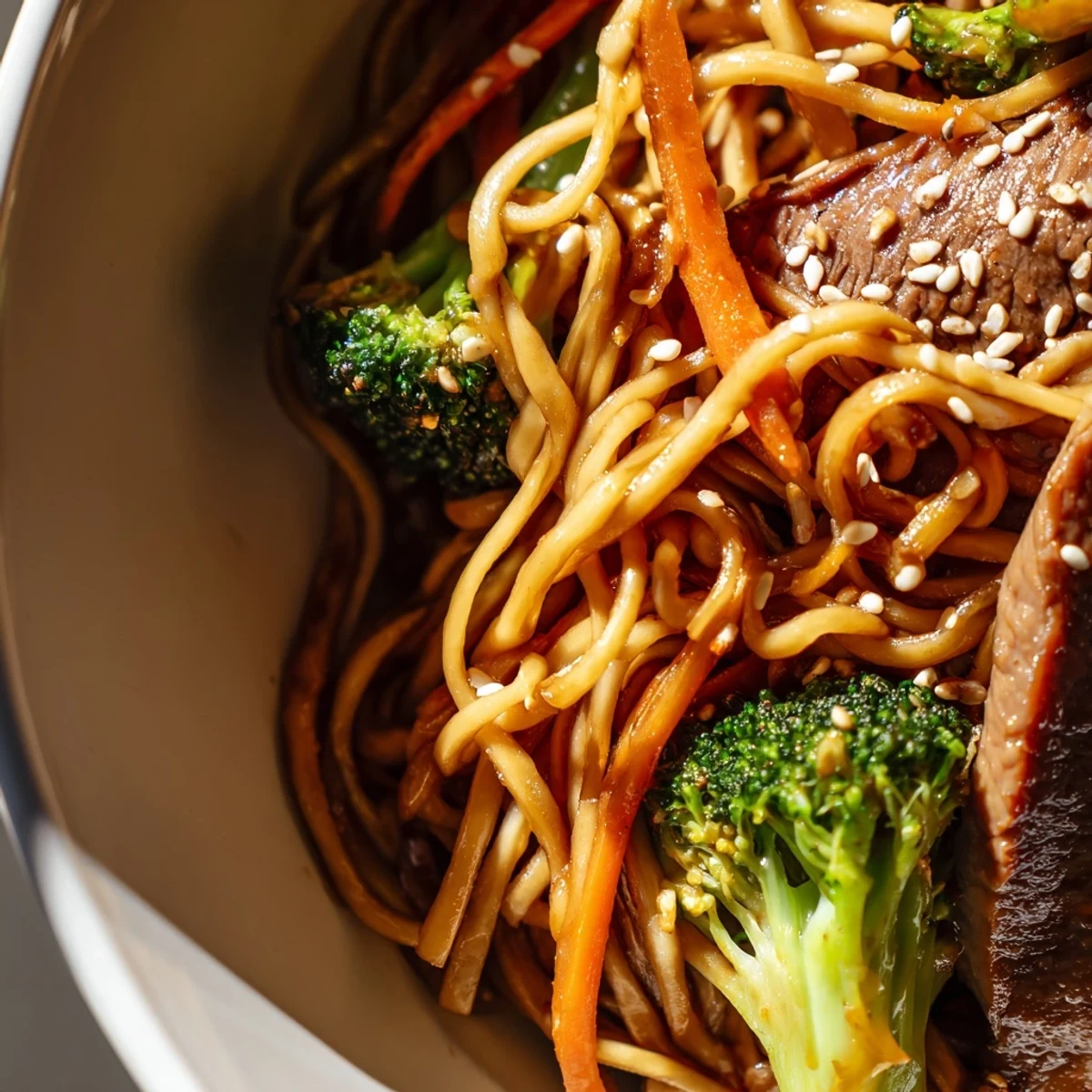
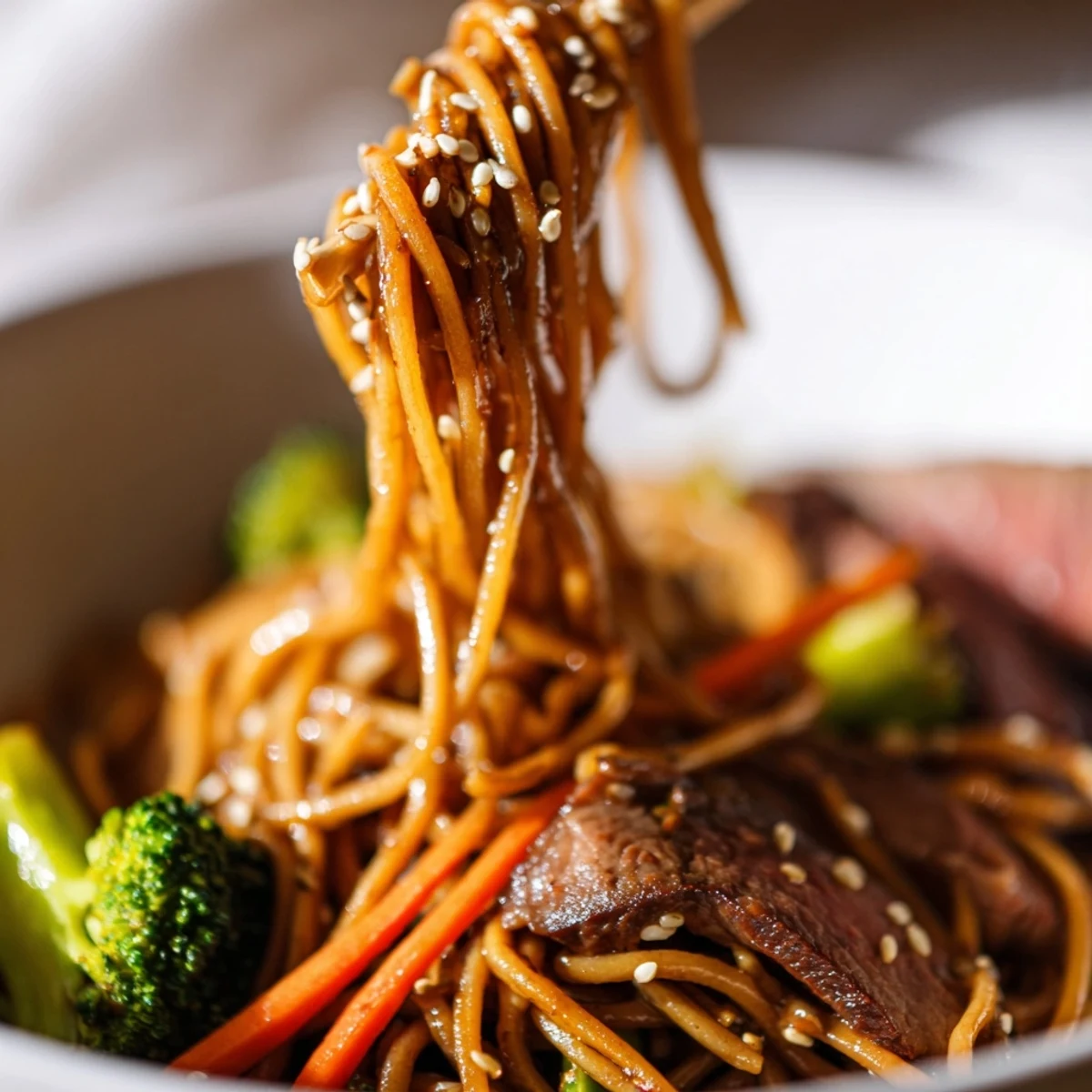
 This dish features tender slices of marinated beef stir-fried with crisp broccoli and julienned carrots. Combined with noodles and a fragrant sauce made from soy, oyster, hoisin, and toasted sesame oil, it creates a harmonious blend of savory flavors. Toasted sesame seeds add an aromatic crunch as garnish. Quick to prepare and packed with texture and aroma, it offers a satisfying meal full of balanced tastes and wholesome ingredients.
There's something about the sound of a wok hitting the stove that makes everything feel urgent and alive. I discovered beef and broccoli lo mein on a Tuesday night when I was standing in my kitchen with half an hour before friends arrived, staring at leftover flank steak and wondering if I could pull off something restaurant-worthy at home. The smell of sesame oil and garlic hitting hot metal told me I was onto something good, and by the time noodles hit the pan, I knew I'd cracked a dish that would become a weeknight staple.
I made this for my sister's last-minute dinner party, and she actually asked if I'd gotten it from a restaurant. The moment she took her first bite and her eyes went wide, I realized that good food doesn't need a complicated story—it just needs to be honest and delicious. She's asked me to make it every time she visits now, and I never say no.
Ingredients
- Flank steak, thinly sliced: This cut becomes incredibly tender when sliced against the grain, and the marinade helps it cook faster without getting tough.
- Soy sauce (for beef): Just a tablespoon seasons the meat and helps the cornstarch create a light glaze.
- Cornstarch: This is the secret to that silky coating on restaurant-style beef—don't skip it.
- Broccoli florets: Cut them roughly the same size so they cook evenly and stay bright green.
- Carrot, julienned: The thin cut means it cooks quickly without getting mushy.
- Spring onions: A handful at the end brightens everything up with a fresh bite.
- Garlic and ginger: These two are your flavor foundation—fresh matters here.
- Lo mein noodles: They're slightly thicker than regular noodles and hold sauce beautifully.
- Soy sauce (for sauce): Use a good quality one if you can; it makes a real difference.
- Oyster sauce: This adds umami depth that makes people wonder what your secret is.
- Hoisin sauce: A touch of sweetness and richness that balances everything.
- Toasted sesame oil: Use it sparingly—it's potent and aromatic.
- Rice vinegar: This keeps the sauce bright instead of heavy.
- Brown sugar: Just enough to round out the flavors without making it sweet.
- Sesame seeds, toasted: They add texture and a nutty finish that makes people reach for seconds.
Instructions
- Prepare your beef:
- Toss the sliced steak with soy sauce, cornstarch, and pepper, then let it sit for 10 minutes while you get everything else ready. This marinade isn't just flavor—it's what makes the beef silky when it hits the hot wok.
- Mix your sauce:
- Whisk together soy sauce, oyster sauce, hoisin, sesame oil, rice vinegar, brown sugar, and water in a small bowl. Having it ready before you start cooking means you're never scrambling.
- Cook the noodles:
- Follow package directions, then drain and give them a quick cold rinse so they don't stick together. Setting them aside now means they're ready to go when you need them.
- Toast the sesame seeds:
- In a dry wok over medium-high heat, toast them for 2 to 3 minutes, stirring constantly until they're golden and smell incredible. Transfer to a small bowl so they stay crispy.
- Sear the beef:
- Add neutral oil to your hot wok and let it shimmer for a moment, then add the beef in a single layer. Don't stir it right away—let it get brown and caramelized for 2 to 3 minutes before moving it around, then remove it to a plate.
- Cook the vegetables:
- Add a touch more oil if needed, then fry garlic and ginger for just 30 seconds until fragrant, moving quickly so they don't burn. Add broccoli and carrot and stir-fry for 3 to 4 minutes until they're crisp-tender with a little give when you press them.
- Bring it together:
- Return the beef to the wok along with the cooked noodles, pour in that sauce you made, and toss everything together for about 2 minutes until the sauce coats everything and heats through. The noodles should glisten, and the whole thing should smell absolutely amazing.
- Finish and serve:
- Stir in the sliced spring onions off the heat so they stay fresh and green, then serve right away topped with toasted sesame seeds and extra spring onions if you like.
 Pin it
 I learned the real value of this dish on a night when I was tired and didn't want to decide what to make for dinner. Something about the ritual of heating the wok, smelling the garlic and ginger bloom, and watching everything come together in five minutes transformed my whole mood. Cooking isn't always about impressing people—sometimes it's about taking care of yourself with something that tastes like celebration.
Why the Wok Is Your Best Friend
A wok's curved shape isn't just for show—it means high heat reaches the food quickly, and you can move everything around with one hand while keeping it all in contact with the heat. If you don't have a wok, a large deep skillet works fine, though you'll want to give everything a little more time to cook since the heat distributes differently.
The Sauce Is Everything
I've made this dish with shortcuts before, and every time I mixed the sauce properly from scratch, it tasted noticeably better. The combination of soy, oyster, and hoisin layered together creates a complexity that no single ingredient can give you. That rice vinegar keeps it from being cloying, and the sesame oil adds a signature aroma that makes people ask what restaurant you're secretly getting this from.
Customizing Your Bowl
The beauty of this dish is that it adapts to what you have and who you're cooking for. Some nights I add a touch of chili flakes or a dash of Sriracha to the sauce for heat, and other times I swap the beef for chicken or even crispy tofu for friends who don't eat meat. For gluten-free versions, tamari replaces soy sauce and you just need to find gluten-free noodles, which are easier to find now than ever.
- Add mushrooms or snap peas if you want more vegetables without changing the cooking time much.
- A splash of chili oil at the end adds heat and an extra layer of sesame flavor that's hard to resist.
- Leftovers actually taste even better the next day once the flavors settle, so don't hesitate to make extra.
 Pin it
 This is the kind of dish that reminds you why you love cooking—it's fast enough for a weeknight, impressive enough for company, and tasty enough that you'll think about it until you make it again. Once you nail the technique and the sauce balance, you'll find yourself making it constantly.
Recipe FAQ
- → What cut of beef works best?
-
Flank steak thinly sliced against the grain provides tenderness and absorbs marinade flavors well.
- → How do I achieve the perfect noodle texture?
-
Cook noodles al dente, then rinse briefly under cold water to stop cooking and prevent sticking before stir-frying.
- → Can I substitute broccoli with other vegetables?
-
Yes, crisp vegetables like snap peas or bok choy can be used for a similar texture and flavor profile.
- → What is the purpose of toasting sesame seeds?
-
Toasting enhances their nutty aroma and adds a crunchy texture that complements the dish beautifully.
- → How do I keep the beef tender and juicy?
-
Marinate the beef briefly with soy sauce, cornstarch, and black pepper, then stir-fry quickly over high heat.
- → Is there an option for gluten-free ingredients?
-
Use tamari instead of soy sauce and select gluten-free noodles to accommodate gluten-free needs.