
 Pin it
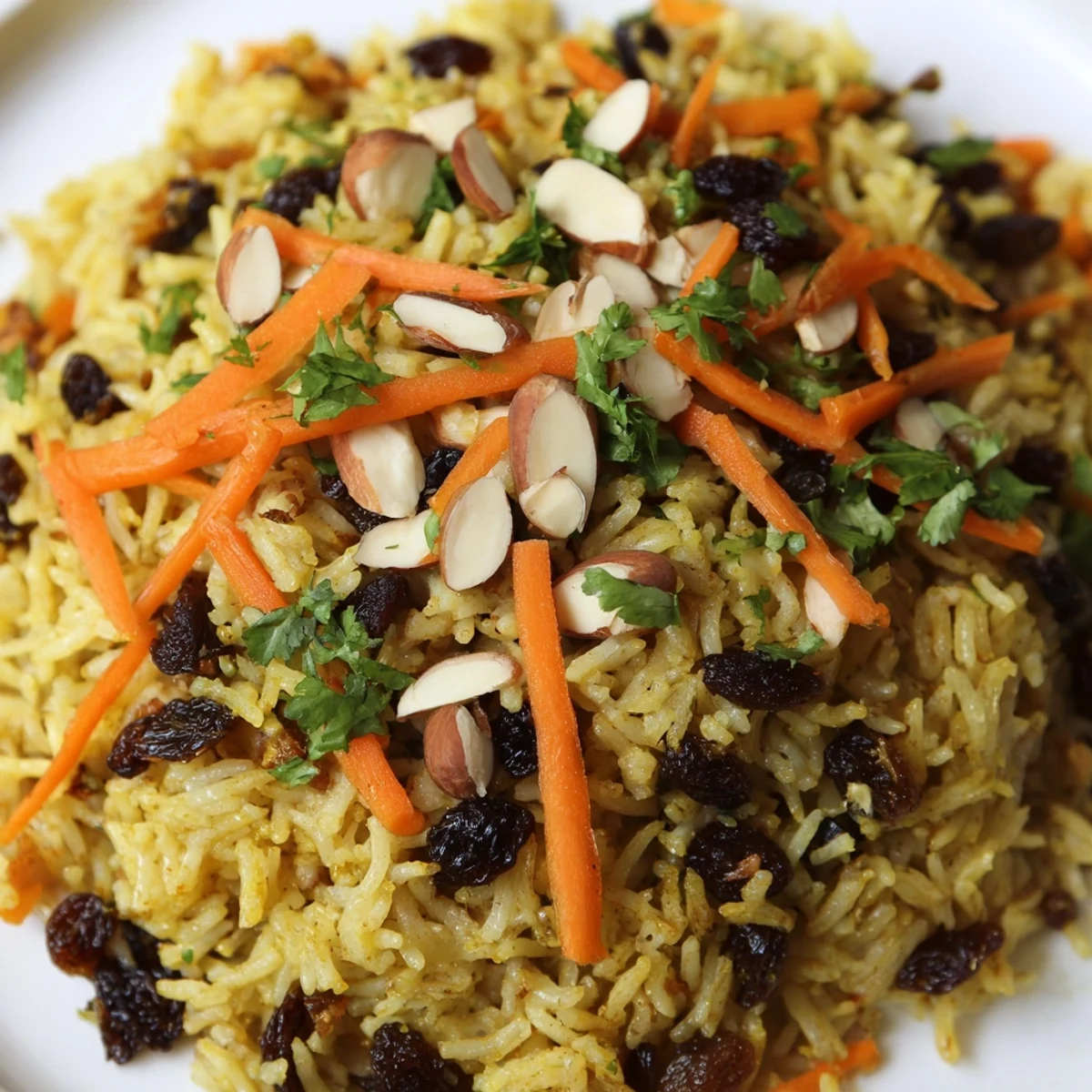
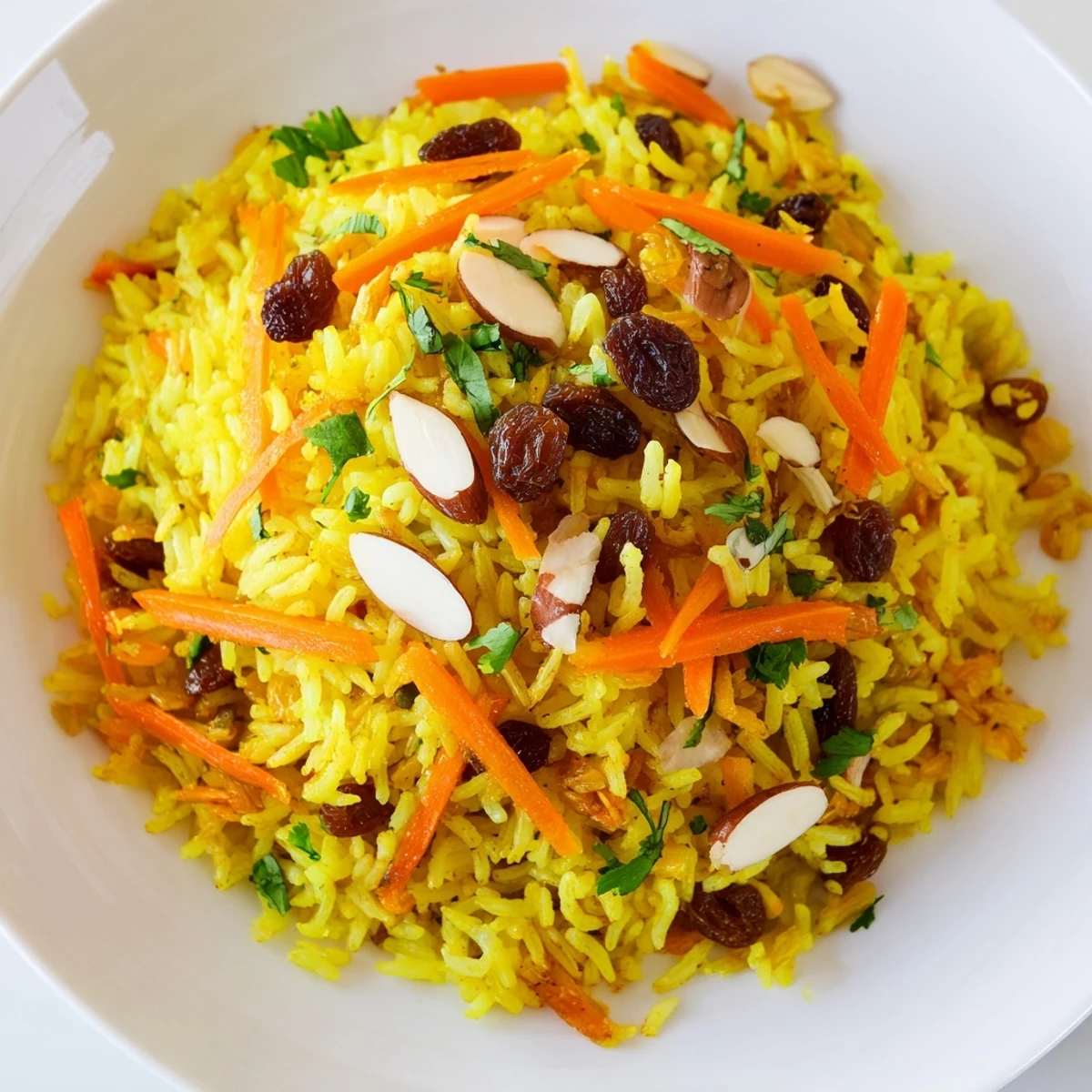
 This beloved Afghan staple transforms simple basmati rice into something extraordinary through the art of layering spices. Whole cardamom pods, cinnamon sticks, cloves, and cumin seeds infuse the grains with their aromatic oils during cooking, while julienned carrots and raisins add natural sweetness and texture. The dish comes together in about an hour, with most of that time being hands-off cooking. Perfect alongside roasted lamb or chicken, it stands equally well on its own as a hearty vegetarian option.
The key lies in toasting the whole spices first to release their essential oils, then briefly sautéing the drained rice before adding water. This technique ensures every grain absorbs the fragrant spice blend. The finishing touch of sweet carrot and raisin mixture creates beautiful contrast—both in color and flavor—against the snowy white spiced rice.
The first time I walked into my friend Zahra's kitchen, the air was thick with cardamom and cinnamon. She was teaching me to make Kabuli Pulao for her daughter's birthday, explaining that in Afghanistan, rice isn't just a side dish—it's the main event, worthy of its own silver platter and ceremonial presentation. I watched her tiny hands work deftly through the spiced steam, realizing that patience might be the most important ingredient.
Last winter, I made this rice for a dinner party when unexpected snow trapped us inside for hours. We ended up lingering around the table long after the plates were empty, passing bowls of the fragrant rice and telling stories, while the cinnamon scent still hung in the air like an invisible guest.
Ingredients
- 2 cups basmati rice: Soaking this rice for 20-30 minutes isn't optional—it ensures each grain cooks up separate and fluffy instead of clumping together
- 4 cups water: This ratio gives you perfectly tender rice that's absorbed all the liquid without becoming mushy
- 1 ½ teaspoons salt: Don't be shy with the salt here—rice needs proper seasoning to let the spices shine through
- 2 medium carrots, julienned: Cut these into thin matchsticks so they cook quickly and add sweet bursts throughout the rice
- ½ cup raisins: Golden raisins work beautifully here, plumping up like little jewels when they hit the hot oil
- ¼ cup sliced almonds: These add a lovely crunch, though toasted pistachios make an excellent substitute if you prefer
- 2 tablespoons vegetable oil: Use a neutral oil that won't compete with the delicate spice blend
- 1 tablespoon butter: This is optional but adds a rich finish that Zahra swears by for authentic flavor
- 4 green cardamom pods: Gently crush these before adding them to release their intense floral aroma
- ½ teaspoon cumin seeds: These earthy little seeds ground the sweeter spices and add depth
- 1 cinnamon stick: Break this into smaller pieces so it distributes evenly through the rice
- 4 whole cloves: A little goes a long way—these pack a punch of warm intensity
- ½ teaspoon black pepper: Freshly cracked pepper adds a subtle heat that balances the sweet elements
- 2 tablespoons chopped fresh cilantro or flat-leaf parsley: Scatter this over the top right before serving for a burst of fresh color and brightness
Instructions
- Rinse and soak the rice:
- Rinse your basmati under cold water until it runs clear—this removes excess starch that can make rice gummy. Let it soak for 20-30 minutes while you prep everything else, then drain well.
- Toast your spices:
- Heat 1 tablespoon of oil in a large pot over medium heat until it shimmers. Add the cardamom, cumin seeds, cinnamon stick, and cloves, letting them sizzle for about a minute until your kitchen smells like a spice market.
- Coat the rice:
- Add your drained rice to the fragrant oil, gently sautéing for 2 minutes. Stir carefully so every grain gets coated in those spiced oils—this is where the flavor really starts building.
- Cook the rice:
- Pour in 4 cups of water and the salt, bringing everything to a gentle boil. Cover tightly, reduce heat to low, and let it simmer for 15-18 minutes until the water's absorbed and each grain is tender.
- Prepare the topping:
- While the rice works, heat your remaining oil (and butter if you're using it) in a skillet. Add your carrot matchsticks, cooking for 3-4 minutes until they're just softened. Toss in the raisins and almonds, stirring until the raisins plump up nicely, about 1-2 minutes more.
- Bring it together:
- Fluff your cooked rice with a fork, then gently fold in the carrot and raisin mixture. Be careful not to mash the grains—you want everything light and separate.
- Let it rest:
- Cover the pot and remove it from heat, letting everything hang out for 5 minutes. This resting period is crucial for the flavors to really marry and settle.
- Finish and serve:
- Scatter your chopped cilantro or parsley over the top and serve while still warm. The fresh herbs against the spiced sweetness is what makes the whole dish sing.
 Pin it
 My grandmother always said that rice dishes taste better the second day, and this one is no exception—I've eaten it cold straight from the refrigerator for breakfast more times than I care to admit, standing in my kitchen in my pajamas while the house is still dark and quiet.
Getting That Perfect Texture
The secret to restaurant-style rice is in the rinse and soak. Skipping either step is the difference between distinct, aromatic grains and a sad clumpy mess. I learned this the hard way after years of stubbornly skipping the soak, wondering why my rice never turned out like Zahra's.
Building Your Spice Blend
Whole spices lose their potency faster than you'd think, so give yours a quick sniff before using them. If they don't smell potent, they won't taste it either. I keep my spices in small batches and replace them every six months—Zahra says this is the difference between good rice and great rice.
Make It Your Own
Once you've mastered the basic version, try adding diced dried apricots alongside the raisins, or swap the carrots for butternut squash in autumn. I've even added a pinch of saffron to the cooking water when I'm feeling fancy. This recipe is forgiving once you understand the technique.
- Try pistachios instead of almonds for a more traditional Afghan touch
- Add a pinch of turmeric to the rice for a gorgeous golden color
- Double the recipe—this rice reheats beautifully for next-day lunches
 Pin it
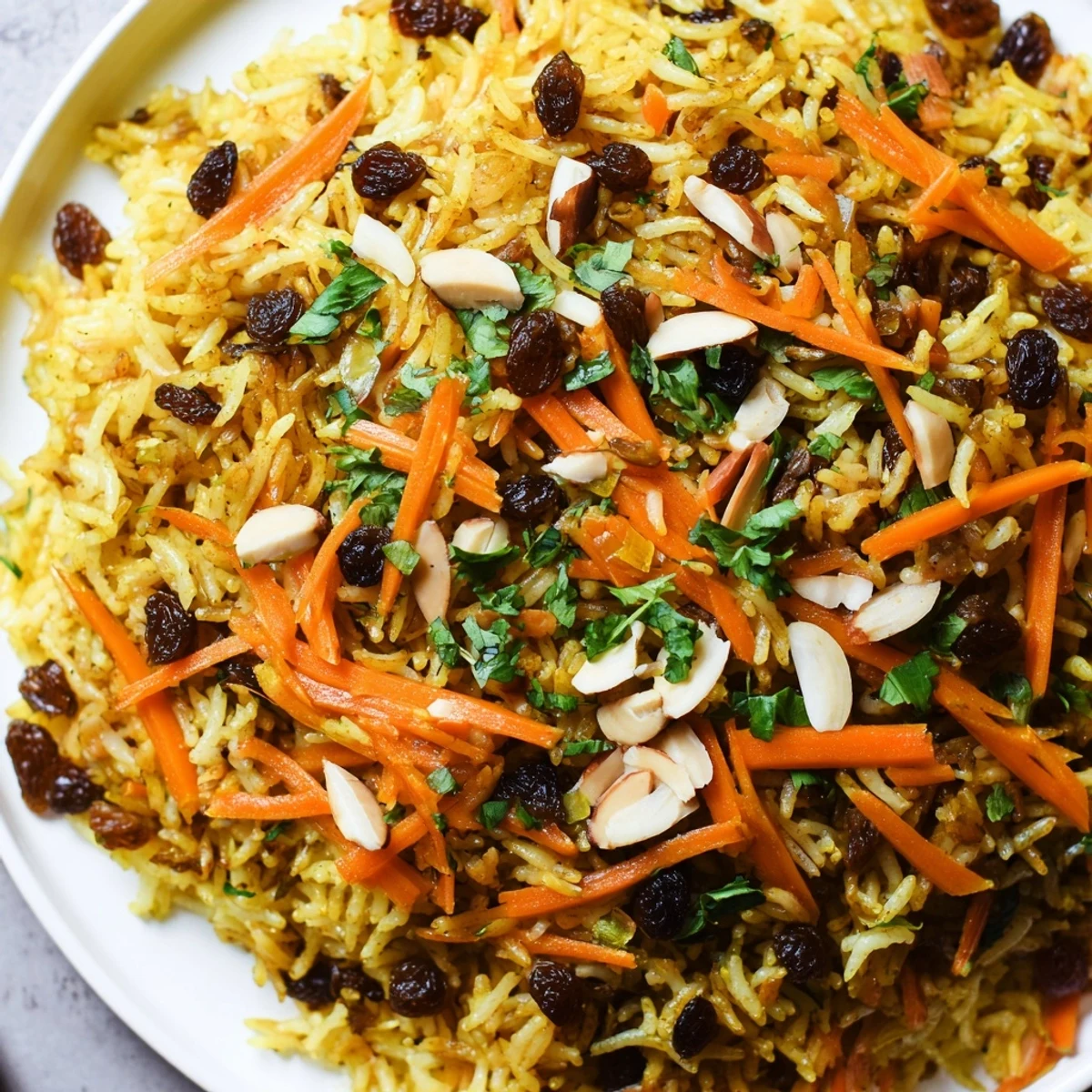
 There's something profoundly satisfying about a dish that looks so elegant but comes together with such humble ingredients. I hope this recipe finds its way into your regular rotation, just like it did in mine.
Recipe FAQ
- → What makes Afghan rice different from other rice dishes?
-
The combination of whole spices toasted in oil before cooking, plus the sweet addition of carrots and raisins, creates layers of flavor. The technique of sautéing drained rice in spiced oil helps each grain absorb the aromatic essence.
- → Can I make this dish ahead of time?
-
Absolutely. The rice actually benefits from sitting for 15-20 minutes after cooking, allowing flavors to meld. You can prepare it up to 2 hours in advance and gently reheat, covered, over low heat.
- → What protein pairs best with this rice?
-
Roasted lamb or grilled chicken are traditional accompaniments, but the rice stands beautifully alongside roasted vegetables or as part of a vegetarian spread with dal and flatbread.
- → Can I substitute brown rice for basmati?
-
While possible, brown rice requires significantly more water and longer cooking time—about 45 minutes instead of 18. The texture will be heartier but less delicate than traditional Afghan preparations.
- → How do I prevent the raisins from becoming too sweet?
-
The natural sweetness balances the warming spices perfectly. If concerned, reduce raisins to 1/4 cup. The carrots provide additional sweetness that creates harmony with the aromatic spice blend.
- → What's the purpose of soaking the rice?
-
Soaking for 20-30 minutes removes excess starch, preventing gummy texture. It also helps grains cook evenly and remain separate and fluffy rather than clumping together.