
 Pin it
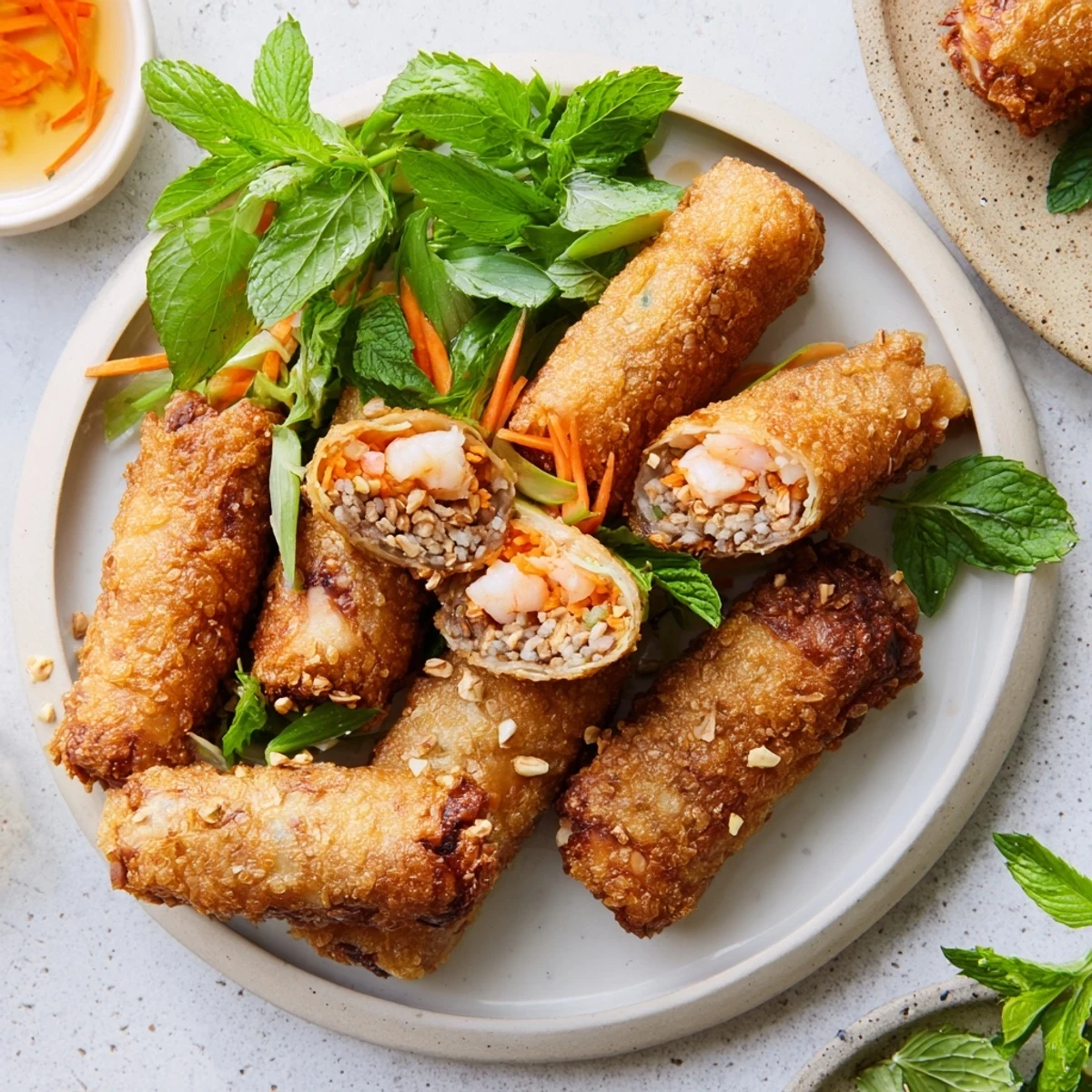
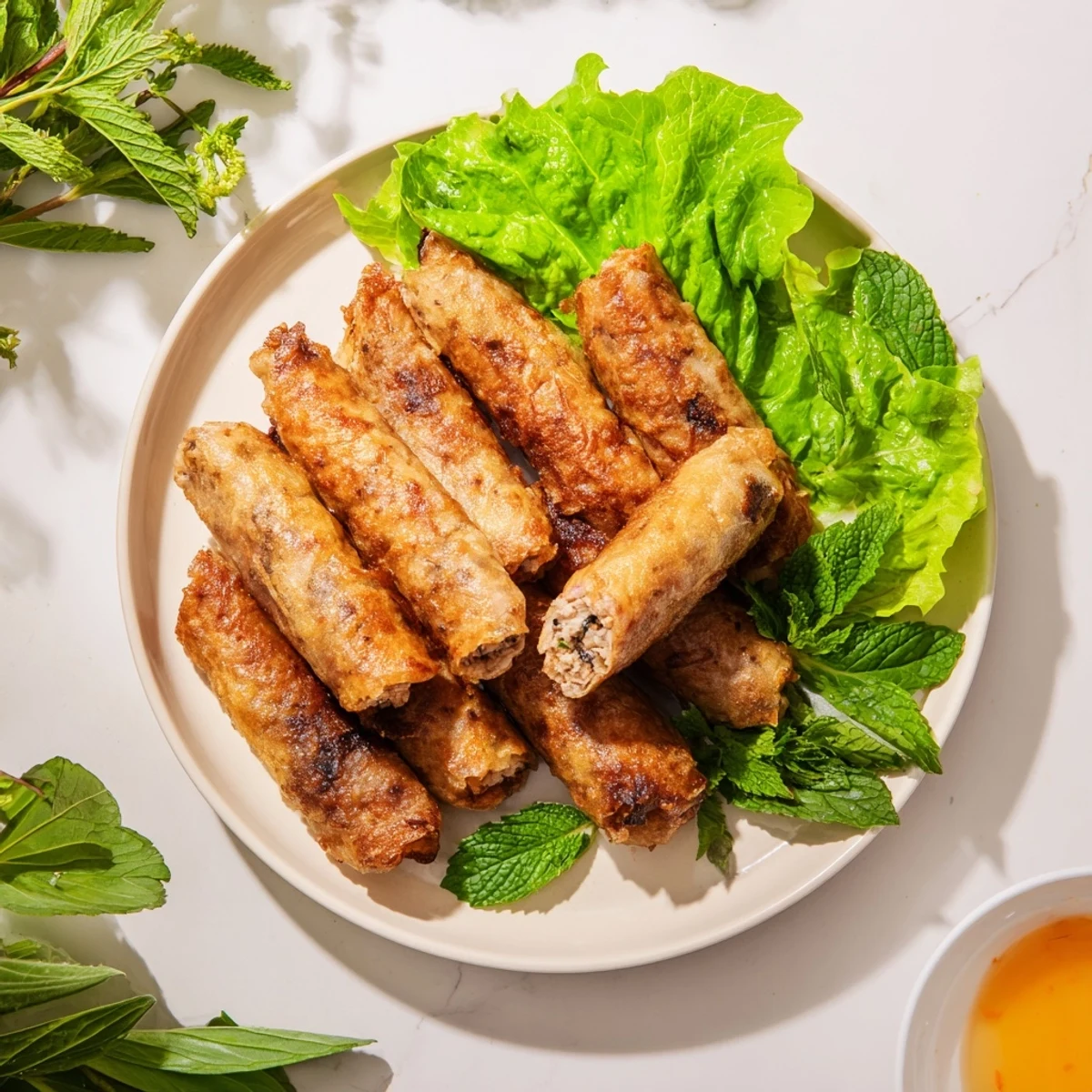
 These crispy, golden Vietnamese rolls deliver a satisfying crunch with every bite. The filling combines savory ground pork with tender shrimp, soaked vermicelli noodles, and fresh vegetables like grated carrot and taro. Wood ear mushrooms add an earthy texture, while garlic and shallots provide aromatic depth. Each roll is wrapped in delicate rice paper, then deep-fried to achieve that signature golden exterior and light, crispy texture. Serve them fresh from the fryer, wrapped in cool lettuce leaves with fragrant mint, Thai basil, and cilantro. The accompanying Nuoc Cham dipping sauce balances the richness with its tangy, sweet, and savory notes. Perfect for gatherings or as an appetizer, these rolls offer an authentic taste of Vietnamese culinary tradition.
The kitchen smelled incredible that first time I made Cha Gio, with garlic and shallots hitting the hot oil while my mom showed me how to roll them tight enough that the filling would not escape during frying.
Last Tet, I spent an entire afternoon rolling fifty of these with my aunt while she told stories about learning the technique from her grandmother in Da Nang, her fingers moving so much faster than mine despite my careful attempts.
Ingredients
- Ground pork: Use fatty pork for juicier filling, about 20% fat ratio works best
- Raw shrimp: Fresh shrimp gives better texture than frozen, chop them into small pieces similar to the pork size
- Dried vermicelli noodles: Soak in warm water until pliable but still slightly firm, then chop into short lengths
- Carrot and taro: Grating these finely creates a nice crunch and helps bind the filling together naturally
- Wood ear mushrooms: These add a wonderful earthy flavor and satisfying chewy texture
- Rice paper sheets: The 16cm size is perfect, keep them covered with a damp towel while working to prevent drying out
- Vegetable oil: Peanut or neutral oil works well, maintain temperature around 170C for optimal frying
Instructions
- Mix the filling:
- Combine all filling ingredients in a large bowl and mix thoroughly with your hands until everything is evenly distributed and the mixture feels sticky, about 2 minutes of mixing
- Prepare rice paper:
- Fill a shallow dish with warm water, dip each sheet for exactly 3 seconds, then lay it on a damp towel while you work, keeping it slightly pliable but not soggy
- Roll the spring rolls:
- Place filling on the lower third, fold the bottom over tightly, tuck in the sides like an envelope, then roll firmly to the top, sealing the edge with a dab of water if needed
- Heat the oil:
- Bring your oil to 170C in a deep skillet or wok, testing with a wooden chopstick to see if bubbles form steadily around it
- Fry to golden perfection:
- Carefully lower the rolls into hot oil, fry for 5 to 7 minutes while turning occasionally until they are deep golden and sound hollow when tapped
- Serve with fresh herbs:
- Let the fried rolls drain briefly on paper towels, then serve them immediately with plenty of lettuce, mint, basil and that tangy Nuoc Cham for dipping
 Pin it
 My friend Linh taught me that the secret to restaurant style Cha Gio is frying them twice, once to cook through and again at the end to get that extra shattering crispness that makes everyone reach for seconds.
Mastering the Roll
Rolling tight spring rolls takes practice, so do not worry if your first few look a bit messy. The key is keeping the rice paper moist but not wet and rolling firmly enough that no air pockets remain inside.
Perfect Nuoc Cham Balance
The dipping sauce should hit all the right notes, salty, sweet, sour and savory in perfect harmony. Taste as you go and adjust the lime juice or sugar until it tastes like summer in Vietnam.
Make Ahead Strategy
You can freeze uncooked spring rolls for up to a month, placing them in a single layer on a baking sheet until firm before transferring to freezer bags. Thaw overnight in the refrigerator before frying.
- Fry from frozen if you are in a rush, just add an extra minute to the cooking time
- Place fried spring rolls on a wire rack instead of paper towels to keep them crispy on all sides
- Reheat leftovers in a 200C oven for 5 minutes instead of microwaving to restore the crunch
 Pin it
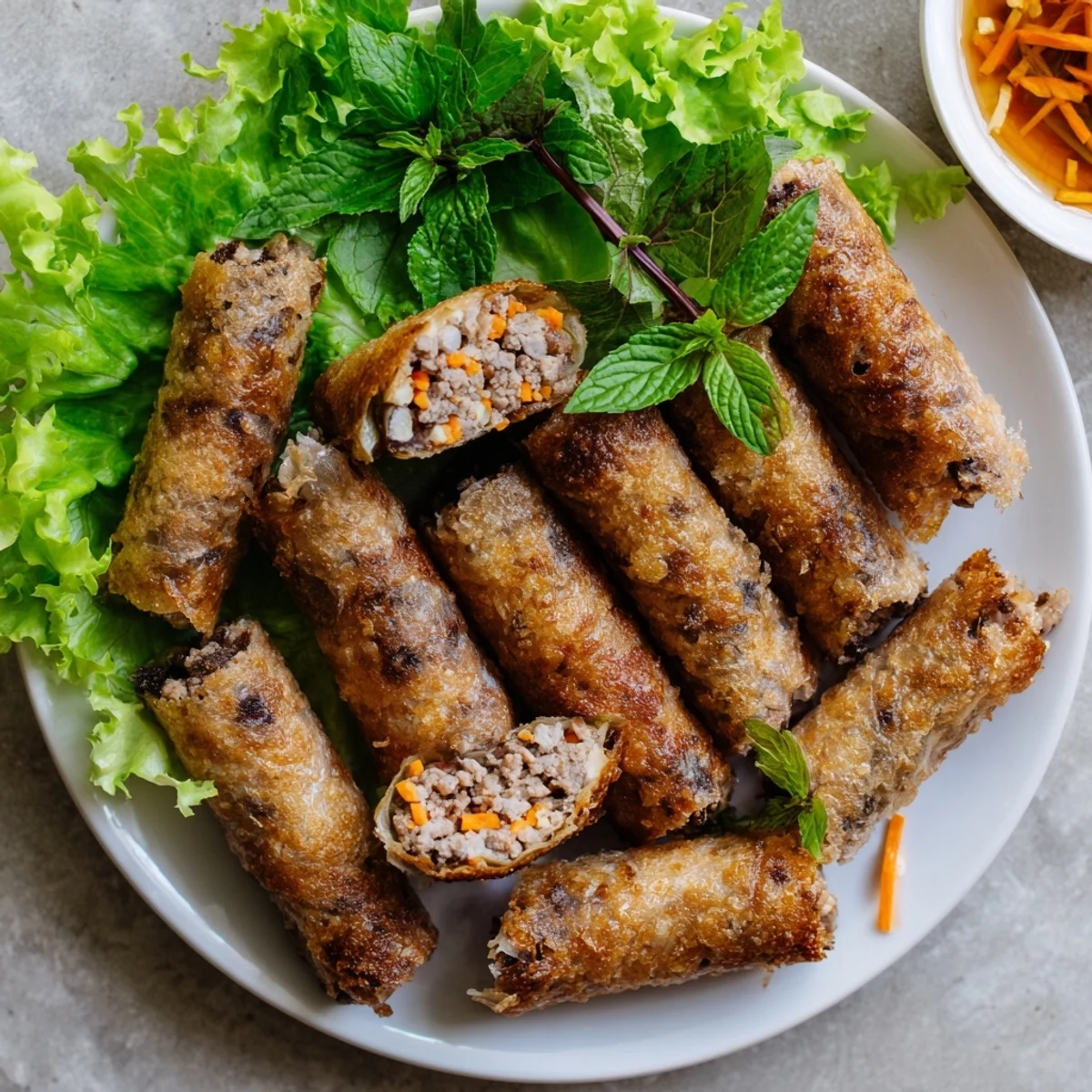
 There is something deeply satisfying about serving these golden rolls to friends, watching them wrap each crispy piece in fresh lettuce and herbs, taking that first perfect bite while steam still rises from the inside.
Recipe FAQ
- → What makes Cha Gio different from other spring rolls?
-
Cha Gio features a distinct rice paper wrapper that becomes exceptionally crispy when deep-fried, unlike wheat-based wrappers. The filling combines ground pork and shrimp with vermicelli noodles and wood ear mushrooms, creating a unique texture profile. Vietnamese tradition includes serving them wrapped in lettuce leaves with fresh herbs, adding a cool, refreshing contrast to the hot, crunchy rolls.
- → How do I prevent rice paper from tearing during wrapping?
-
Soak rice paper sheets briefly in warm water for just 2-3 seconds - over-soaking makes them too fragile and difficult to handle. Place them on a damp towel while working, which prevents sticking and tearing. Keep filling portions moderate, about one tablespoon per roll, to avoid overstuffing. Work with one sheet at a time and roll tightly but gently, folding in the sides before completing the roll to secure the filling.
- → Can I make Cha Gio ahead of time?
-
Assemble uncooked rolls up to 4 hours before frying and store them in the refrigerator, separated by parchment paper to prevent sticking. For longer storage, freeze uncooked rolls for up to 1 month - fry them directly from frozen, adding a few extra minutes to cooking time. If frying ahead, reheat in a 375°F oven for 5-7 minutes to restore crispiness. Avoid refrigerating fried rolls as they lose their signature crunch.
- → What's the secret to extra crispy rolls?
-
The double-frying technique ensures maximum crispiness. Fry rolls once until golden, let them cool for 5 minutes, then fry again for 1-2 minutes at slightly higher temperature. This removes excess moisture and creates an exceptionally crunchy exterior. Also ensure oil temperature stays around 170°C (340°F) - too low makes them greasy, too high burns the wrapper before the filling cooks through.
- → What can I use instead of taro or jicama?
-
If taro or jicama isn't available, simply increase the amount of grated carrot. Some cooks add finely chopped water chestnuts for similar crunch. Daikon radish or even celeriac can work as substitutes, though they'll slightly alter the traditional flavor profile. The key is maintaining a balance between the soft pork and shrimp with some texture from grated vegetables.
- → How do I make Nuoc Cham dipping sauce?
-
Combine 3 tablespoons fish sauce with 3 tablespoons fresh lime juice, 2 tablespoons sugar, and 1/2 cup water. Add 1 minced garlic clove and 1 sliced Thai chili for heat. Stir until sugar dissolves completely. Adjust proportions to taste - add more lime for brightness, more sugar for sweetness, or more fish sauce for saltiness. Let it sit for 15 minutes before serving to allow flavors to meld.