
 Pin it
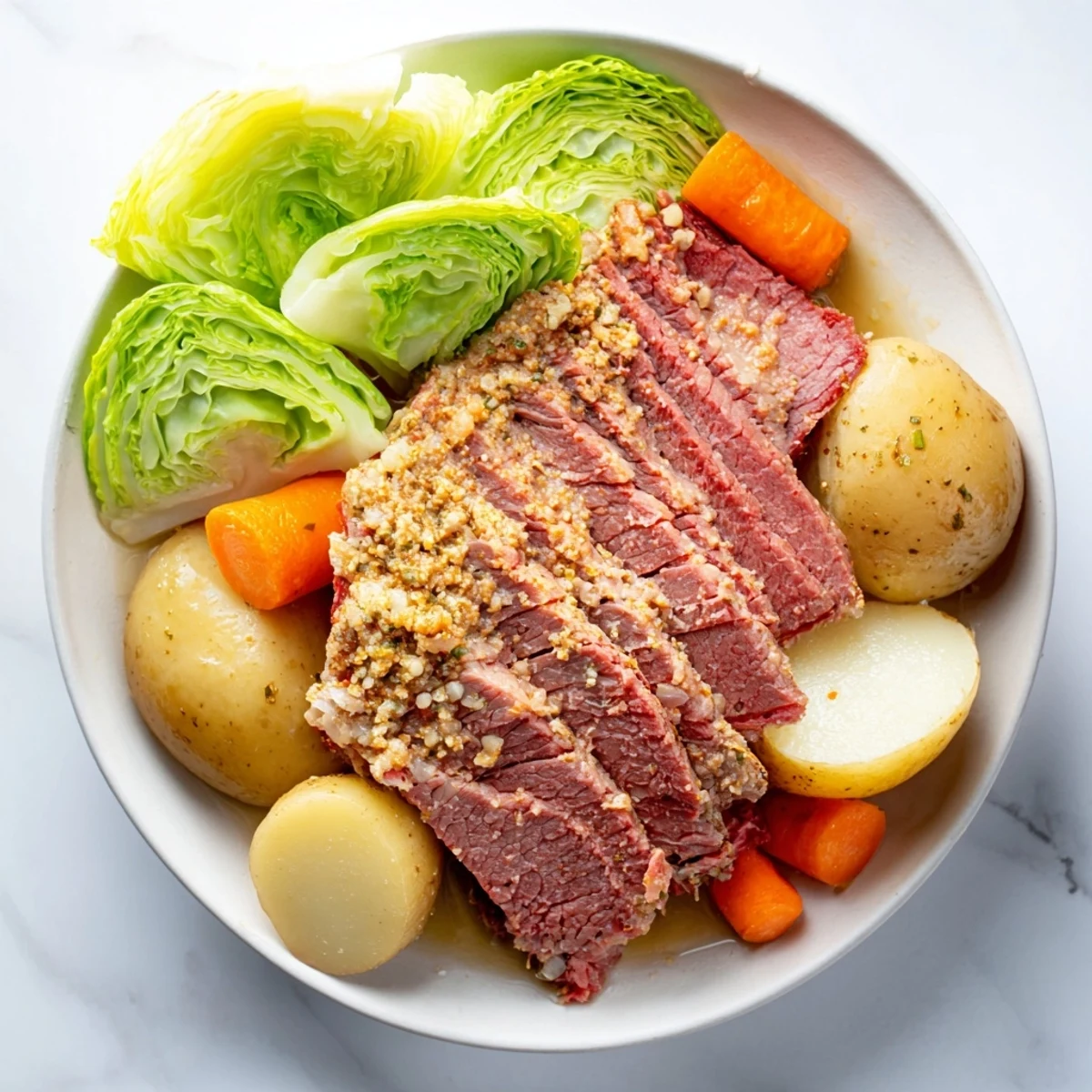
 This classic Irish-American dish features tender corned beef brisket slowly simmered with hearty cabbage, Yukon Gold potatoes, and sweet carrots. Aromatic spices like bay leaves, cloves, and mustard seeds infuse the broth, while the slow cooking process ensures melt-in-your-mouth meat and perfectly tender vegetables. Served hot with a splash of cooking broth and seasoned to taste, it offers a rich, comforting meal perfect for family gatherings or cozy dinners.
The steam hit my face before I even stepped into my grandmother's kitchen, carrying that distinctive aroma that could only mean one thing. I must have been seven, watching her wrestle that massive brisket into her dented stock pot with the confidence of someone who'd made this a hundred times before. Now whenever St. Patrick's Day rolls around, I find myself reaching for the same heavy pot, somehow feeling connected to all those Sunday afternoons spent waiting for dinner.
Last year, my neighbor Dave texted me at noon asking what smelled so good. Twenty minutes later he showed up with a loaf of Irish soda bread, claiming he was just returning a measuring cup Id loaned him months ago. We ended up eating together at my counter, talking about everything and nothing while that brisket kept simmering away on the back burner.
Ingredients
- 3 lbs corned beef brisket: I always grab one with the spice packet still attached, but having a backup spice blend ready never hurts
- 1 medium head green cabbage: Cutting this into wedges instead of shreds keeps it from getting too mushy during the long cook
- 2 lbs Yukon Gold potatoes: These hold their shape better than russets and have this creamy texture that just works
- 4 large carrots: Cut them into generous chunks so they dont disappear into the broth
- 1 large yellow onion: Quartered, it becomes sweet and almost meltingly tender by the end
- 3 cloves garlic: Smashed, not minced, so it infuses the broth without becoming overpowering
- 10 cups water: You want the brisket completely submerged for even cooking
- 1 cup low-sodium beef broth: Totally optional, but I like the depth it adds
- 2 bay leaves, 8 black peppercorns, 4 whole cloves, 1 teaspoon mustard seeds: These aromatics transform plain water into something rich and complex
- Salt and freshly ground black pepper: Go easy on the salt since the brisket is already cured
Instructions
- Get that brisket ready:
- Rinse it thoroughly under cold running water to wash away the excess brine, then place it in your largest pot or Dutch oven
- Build the flavor base:
- Add the water, broth, spice packet, bay leaves, peppercorns, cloves, mustard seeds, onion, and garlic to the pot
- Start the simmer:
- Bring everything to a boil over high heat, then drop it down to a gentle bubble and cover it up
- Let it work:
- Cook for 2 hours, skimming off any foam or impurities that float to the surface every so often
- Add the hard vegetables:
- Toss in the potatoes and carrots, cover again, and let them simmer for 20 minutes
- Add the cabbage:
- Nestle the cabbage wedges right on top, cover, and cook another 20 to 30 minutes until everything's fork-tender
- Rest the meat:
- Move the corned beef to a cutting board and tent it with foil for 10 minutes before slicing
- Serve it up:
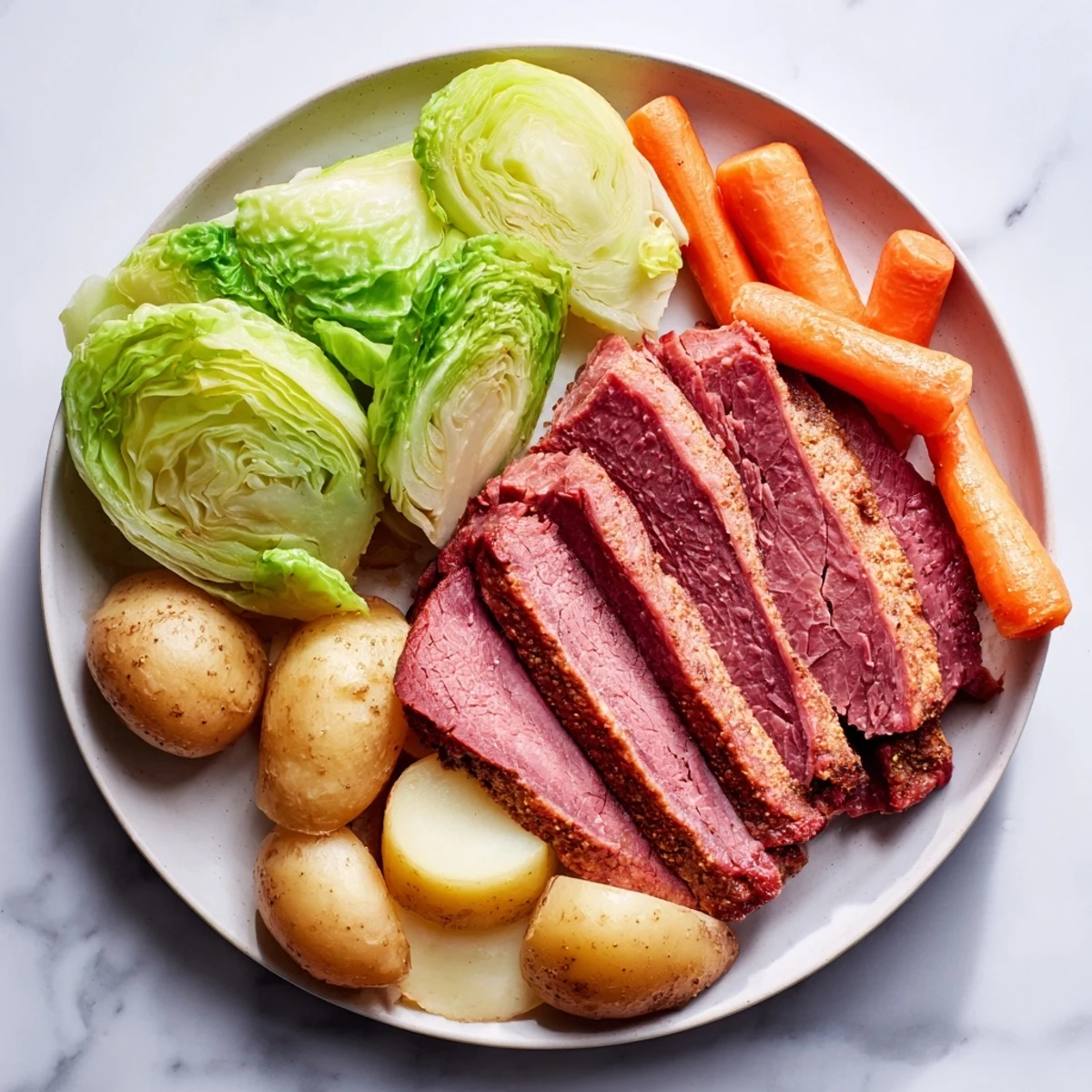
- Slice against the grain, arrange with the vegetables, and spoon a little of that cooking broth over everything
 Pin it
 My college roommate used to joke that our apartment was the unofficial St. Patrick's Day headquarters. People would just happen to stop by around dinnertime, armed with excuses and empty stomachs. It became this weird little tradition I still miss sometimes.
The Art of the Simmer
I learned the hard way that rapid boiling turns the beef into something closer to shoe leather than dinner. Keep it at that gentle bubble where things barely ripple, and you'll be rewarded with meat that practically falls apart under your fork.
Timing Your Vegetables
Theres nothing sadder than mushy cabbage that's been cooking forever. Adding the vegetables in stages means everything finishes perfectly tender without turning into an unrecognizable mash.
Making It Your Own
Sometimes I throw in a parsnip or two, or use red cabbage for a stunning purple presentation. The method stays the same, but little tweaks keep it interesting year after year.
- A splash of malt vinegar at the table cuts through the richness beautifully
- Whole grain mustard is the only condiment that really belongs here
- Save that cooking liquid, it makes incredible soup base later
 Pin it
 There's something deeply satisfying about a meal that demands patience and rewards it so completely. Maybe that's why this recipe keeps finding its way back to my table year after year.
Recipe FAQ
- → How do you ensure the beef remains tender?
-
Simmer the brisket gently over low heat for several hours, allowing it to slowly break down muscle fibers for a tender texture.
- → What vegetables complement the dish well?
-
Cabbage wedges, Yukon Gold potatoes, and carrots are traditional choices that absorb flavors and add heartiness.
- → Can spices be adjusted for stronger flavor?
-
Yes, spices like cloves, peppercorns, and mustard seeds can be increased slightly to enhance the broth's aroma.
- → Is it necessary to rinse the beef before cooking?
-
Rinsing the brisket removes excess brine and reduces saltiness, resulting in a balanced final taste.
- → What is the recommended way to serve the dish?
-
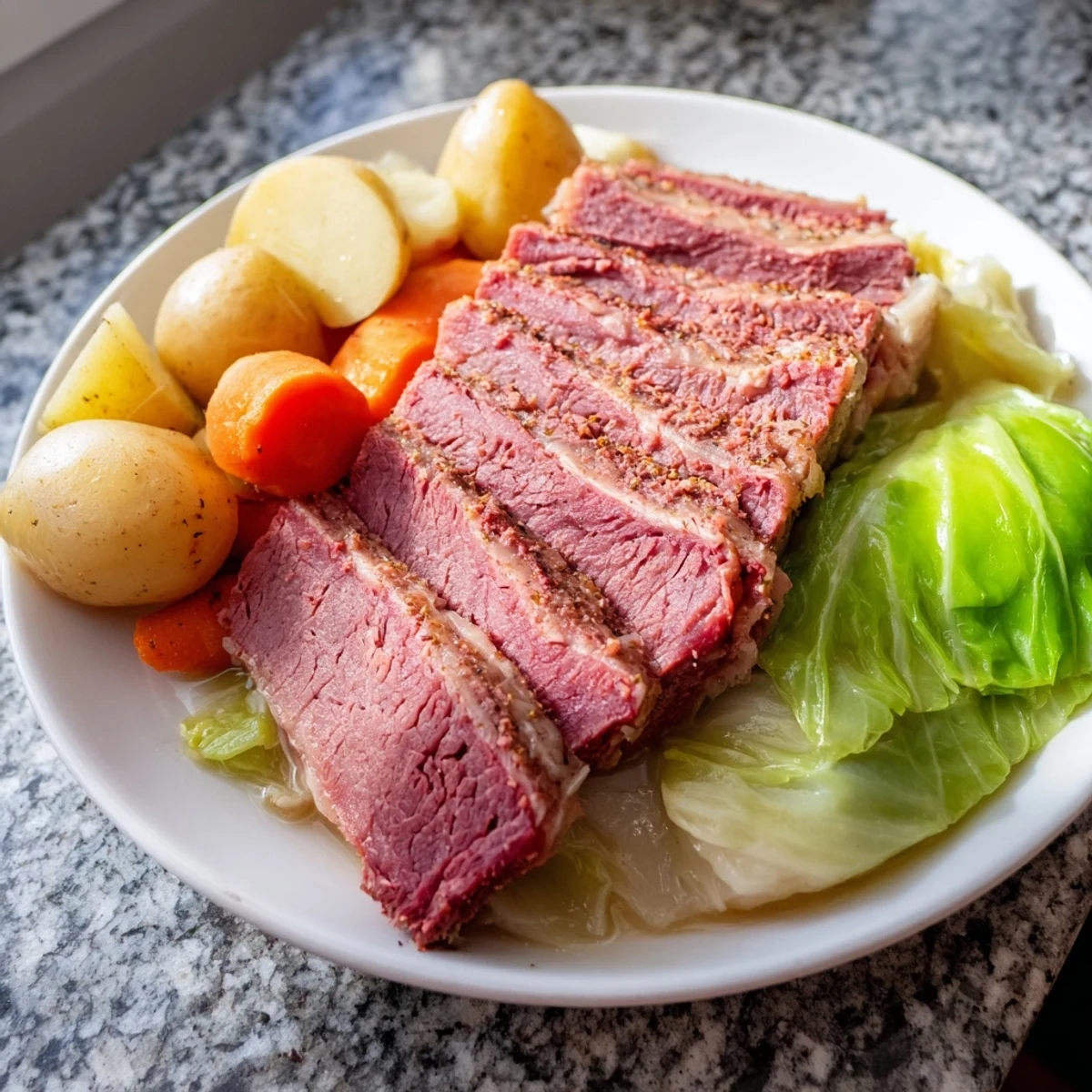
Slice the beef against the grain and arrange with vegetables; spoon some cooking broth over the top for added moisture.
- → Can this dish be prepared ahead of time?
-
Yes, flavors deepen when refrigerated overnight; reheat gently before serving to retain tenderness.