
 Pin it
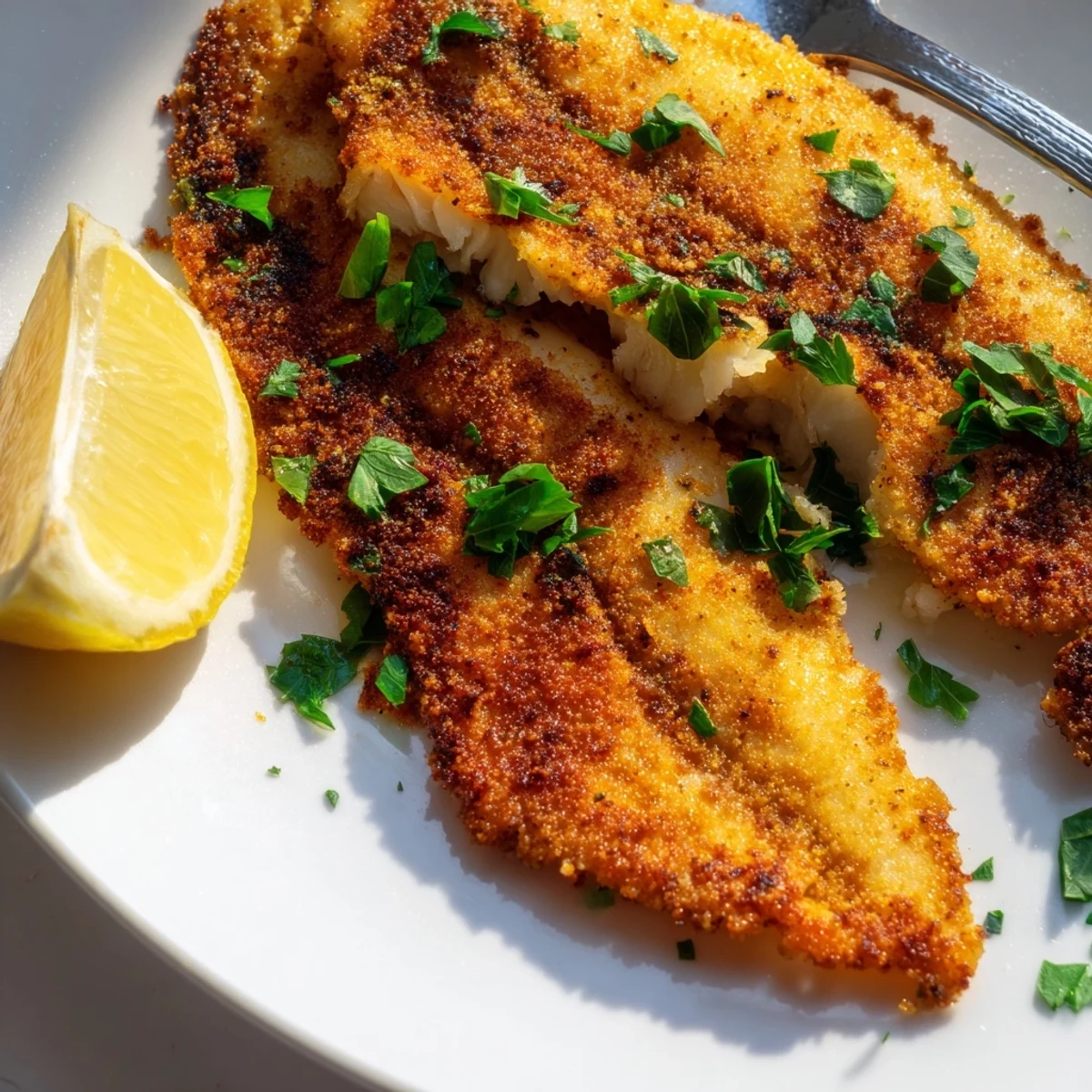
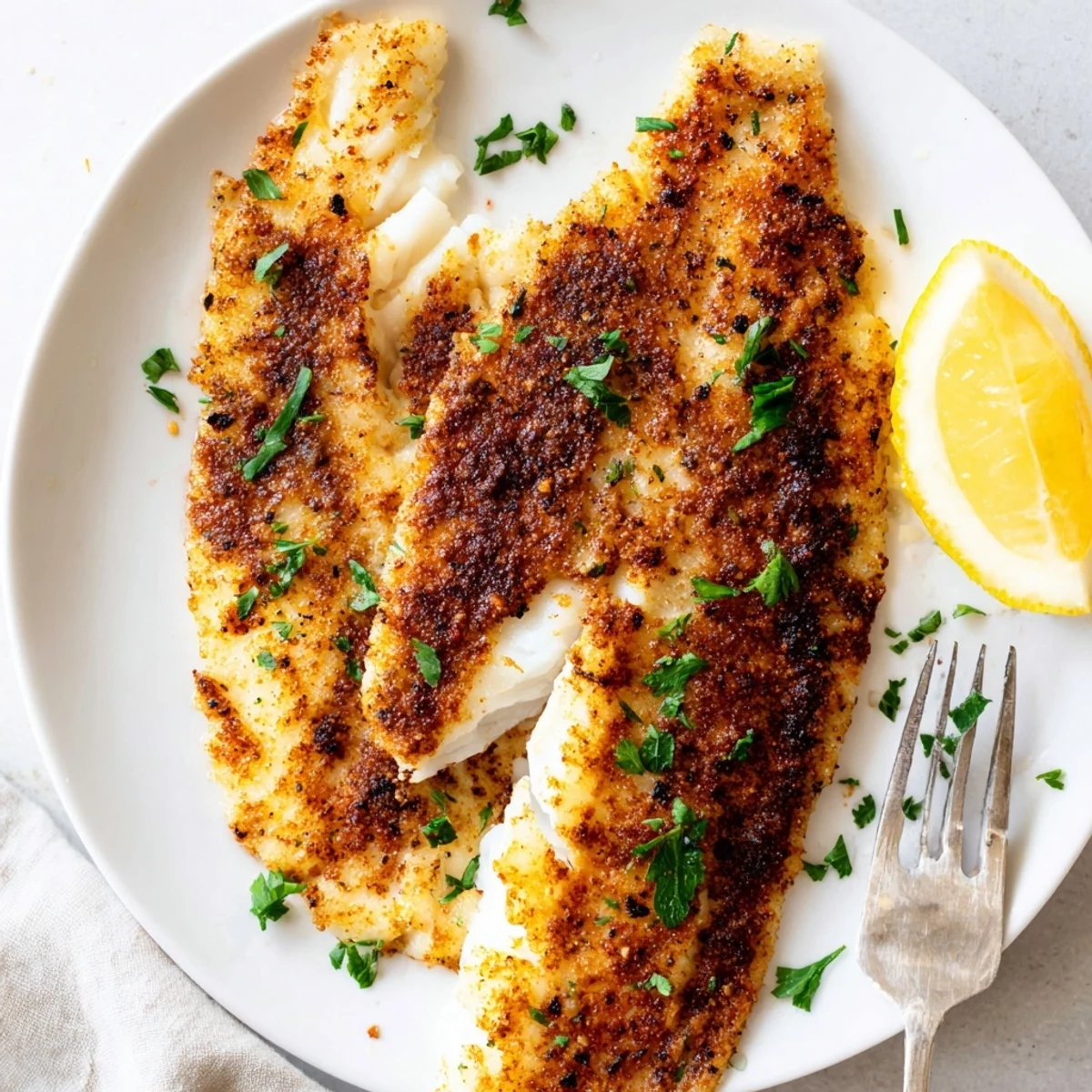
 This pan fried tilapia delivers perfectly golden, crispy fillets in just 20 minutes from start to finish. The fish is seasoned with a simple blend of salt, pepper, paprika, and garlic powder, then lightly dredged in flour before searing in a combination of olive oil and butter.
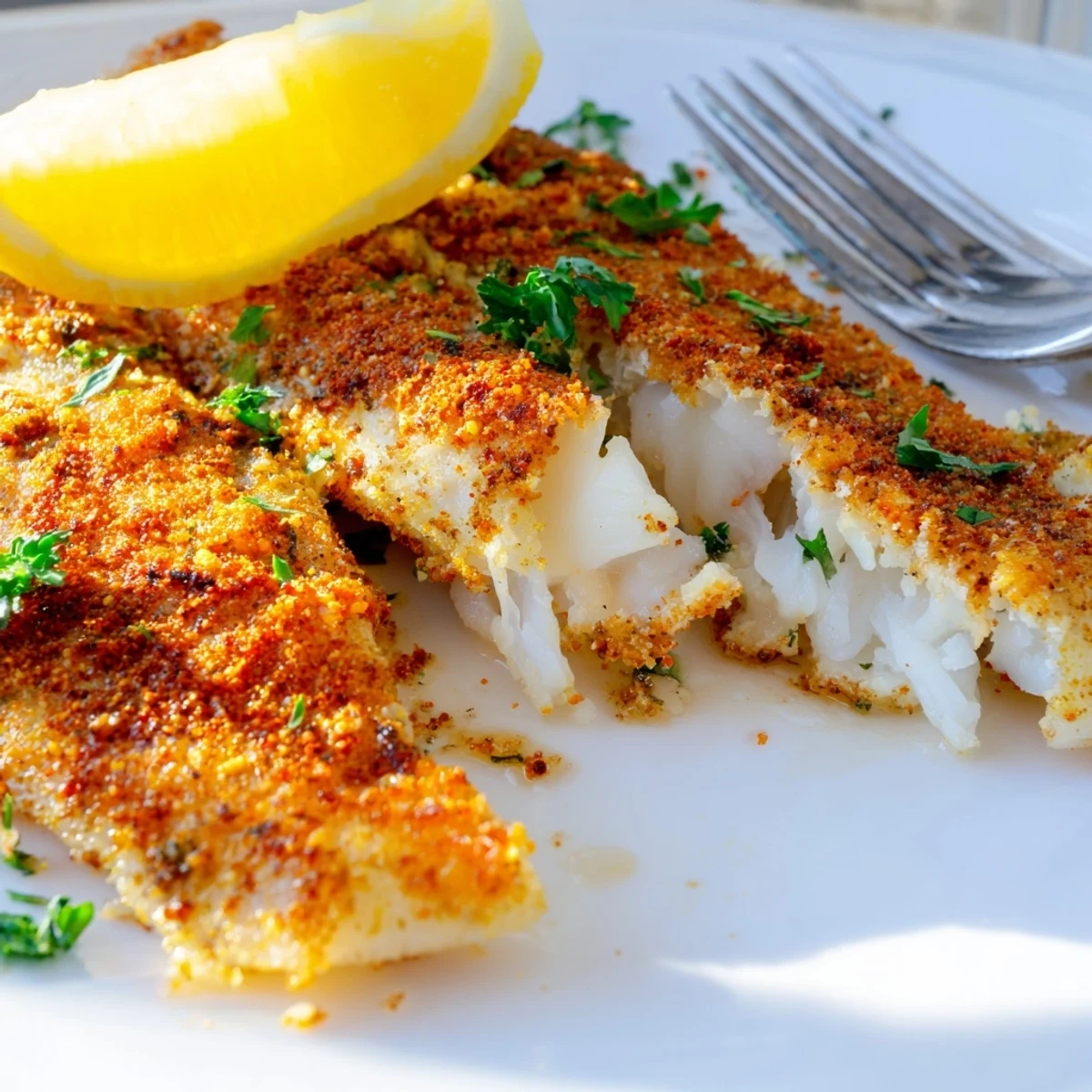
Each fillet cooks for 3-4 minutes per side, resulting in a beautifully crisp exterior while remaining tender and flaky inside. Garnished with fresh parsley and a squeeze of lemon, this dish pairs wonderfully with steamed vegetables, rice, or a crisp green salad.
Naturally gluten-free and low in carbs, it's an excellent choice for a light yet satisfying main course that the whole family will enjoy.
Something about the sizzle of fish hitting a hot pan makes the whole kitchen feel alive, and tilapia is the quiet hero that delivers every time without fuss. My neighbor dropped by unannounced one Tuesday evening with a bag of fresh fillets, and twenty minutes later we were sitting on the back porch with plates balanced on our knees, completely content. It is the kind of dish that turns a random weeknight into something worth remembering.
I once made this for my sister who swore she did not like fish, and she went back for seconds without saying a word. That silence spoke volumes, and now she asks for it every time she visits.
Ingredients
- 4 tilapia fillets (about 150g each): Fresh is best but frozen works beautifully if you thaw them overnight in the fridge and pat them very dry before cooking.
- Salt and black pepper: These two do the heavy lifting for flavor so do not skimp on either one.
- Paprika and garlic powder: The paprika adds a subtle sweetness and lovely color while garlic powder brings a savory depth that permeates every bite.
- Gluten free flour or all purpose flour: A light dusting is all you need to create that irresistible crust without weighing the fish down.
- Olive oil and unsalted butter: The oil prevents the butter from burning and together they create the richest, most fragrant cooking environment for the fillets.
- Fresh parsley and lemon wedges: A bright finish that cuts through the richness and makes the whole plate sing.
Instructions
- Dry and season the fish:
- Pat each fillet thoroughly with paper towels until the surface feels barely damp, then sprinkle both sides generously with salt, pepper, paprika, and garlic powder, pressing the spices gently so they adhere.
- Apply the flour coating:
- Spread flour on a shallow plate and lay each fillet in it, flipping once and shaking off any excess so only a fine, even layer remains.
- Heat the pan:
- Set a large non stick skillet over medium high heat and add the olive oil and butter, swirling gently until the butter melts and begins to foam and you catch that nutty aroma.
- Cook the fillets:
- Lay the fillets in the pan carefully and let them cook undisturbed for three to four minutes until the edges turn deeply golden, then flip and repeat on the other side until the fish flakes easily when you press gently with a fork.
- Drain and rest briefly:
- Transfer the cooked fillets to a plate lined with fresh paper towels and let them rest for just a moment so any excess oil is absorbed.
- Garnish and serve:
- Scatter chopped parsley over the top and serve right away with lemon wedges on the side, squeezing fresh juice over each portion at the table.
 Pin it
 There is something deeply satisfying about feeding people a meal that took almost no planning yet feels intentional and complete. This tilapia has a way of turning a plain Tuesday dinner into a small celebration without anyone realizing it.
Choosing the Right Skillet
A heavy non stick skillet is your best friend here because it distributes heat evenly and releases the delicate fish without tearing the crust. If you love cast iron like I do, just make sure it is well seasoned and give it a full minute to get hot before adding the oil and butter.
Pairings That Actually Work
Steamed green beans with a squeeze of lemon or a simple arugula salad dressed with olive oil are all this fish needs beside it. A glass of crisp Sauvignon Blanc alongside turns dinner into something that feels weekend worthy even on a Wednesday.
Smart Substitutions
Cod and sole fillets work just as well as tilapia, and honestly any mild white fish will respond beautifully to this same treatment. The cooking time may vary slightly depending on thickness, so rely on the fork test rather than the clock to tell you when it is done.
- A pinch of cayenne in the seasoning mix wakes everything up if you want a little warmth.
- Coconut oil can stand in for butter if you need to keep it dairy free.
- Always double check flour labels for hidden allergens if gluten is a concern for anyone at your table.
 Pin it
 Keep this recipe in your back pocket for the nights when you want something warm and satisfying without spending an hour at the stove. It never lets you down.
Recipe FAQ
- → How do I know when tilapia is fully cooked?
-
Tilapia is done when it turns opaque white and flakes easily with a fork. The internal temperature should reach 145°F (63°C). Avoid overcooking as the fish can become dry and rubbery.
- → Can I use frozen tilapia fillets?
-
Yes, but thaw them completely first for the best results. Pat the fillets very dry with paper towels before seasoning and dredging to ensure proper browning and a crispy texture.
- → What can I substitute for tilapia?
-
Cod, sole, catfish, or flounder work well as substitutes. Choose firm white fish fillets of similar thickness for even cooking. Adjust cooking time slightly depending on the thickness of your fillets.
- → How do I prevent the fish from sticking to the pan?
-
Make sure the skillet and oil are fully heated before adding the fish. Use a good quality non-stick skillet and don't move the fillets until they naturally release from the pan, typically after 3-4 minutes.
- → What sides go best with pan fried tilapia?
-
Steamed vegetables, a fresh garden salad, rice pilaf, or roasted potatoes are excellent choices. A crisp white wine like Sauvignon Blanc complements the flavors beautifully.
- → Can I make this dairy-free?
-
Absolutely. Simply replace the butter with additional olive oil or a dairy-free butter alternative. The fish will still develop a lovely golden crust with delicious flavor.