
 Pin it
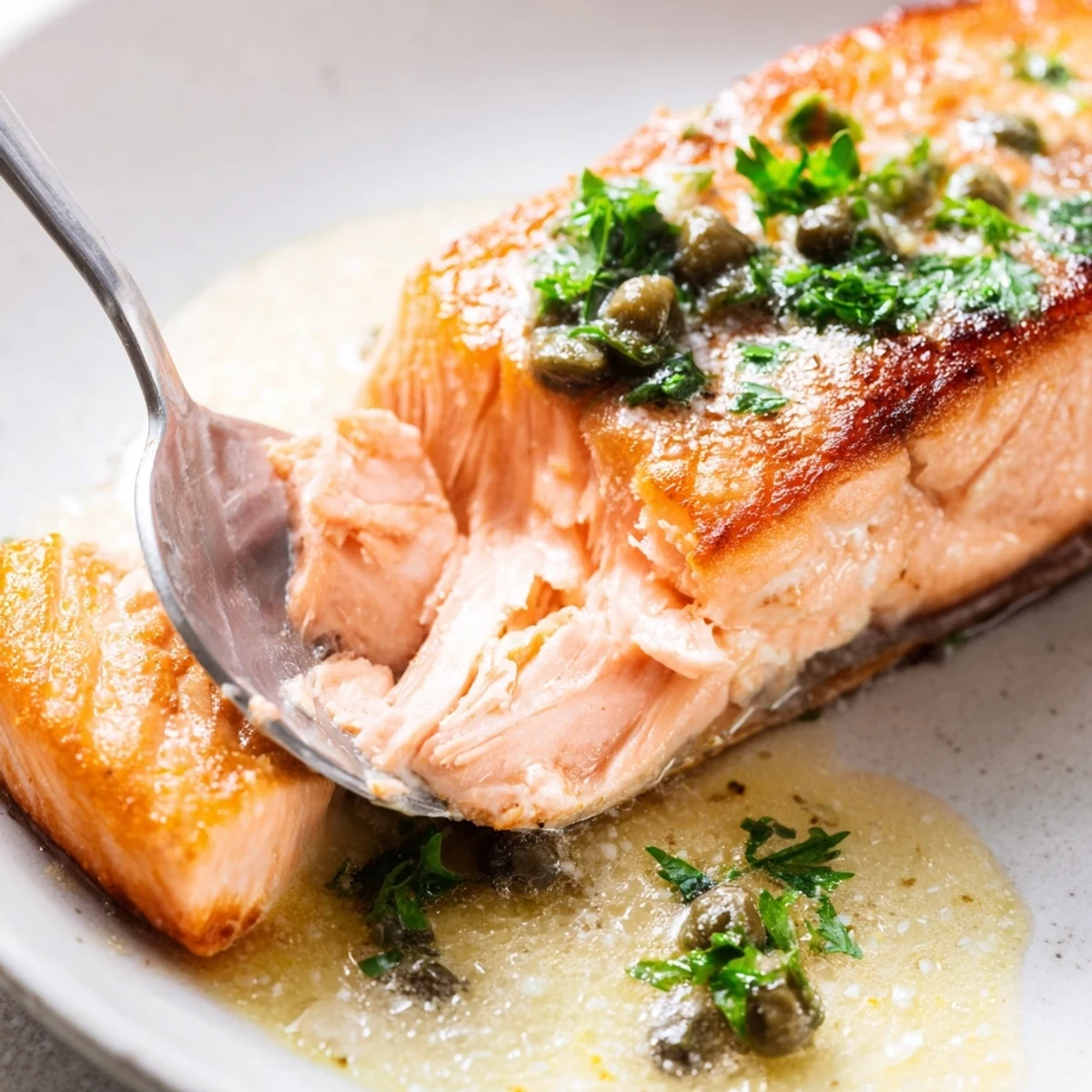
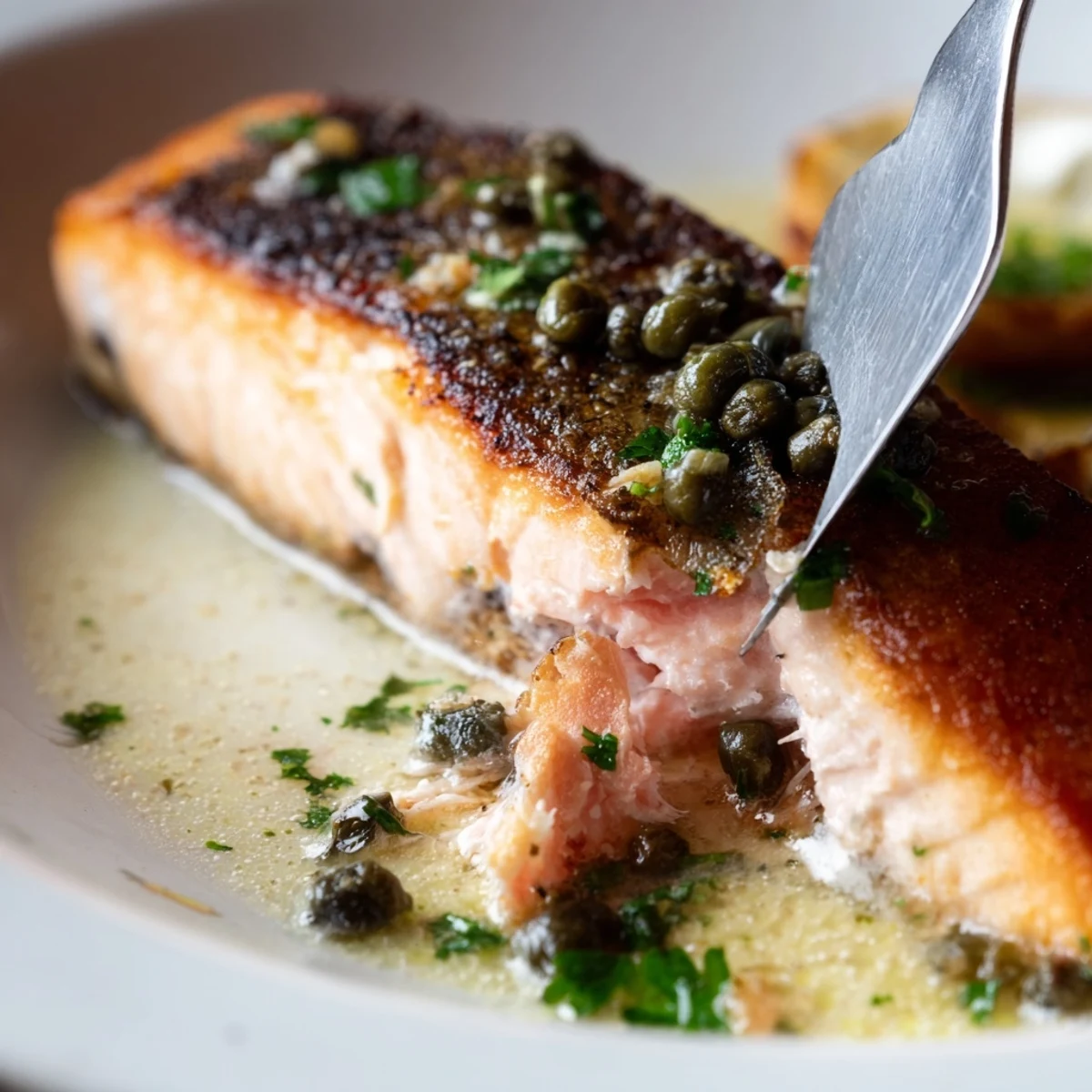
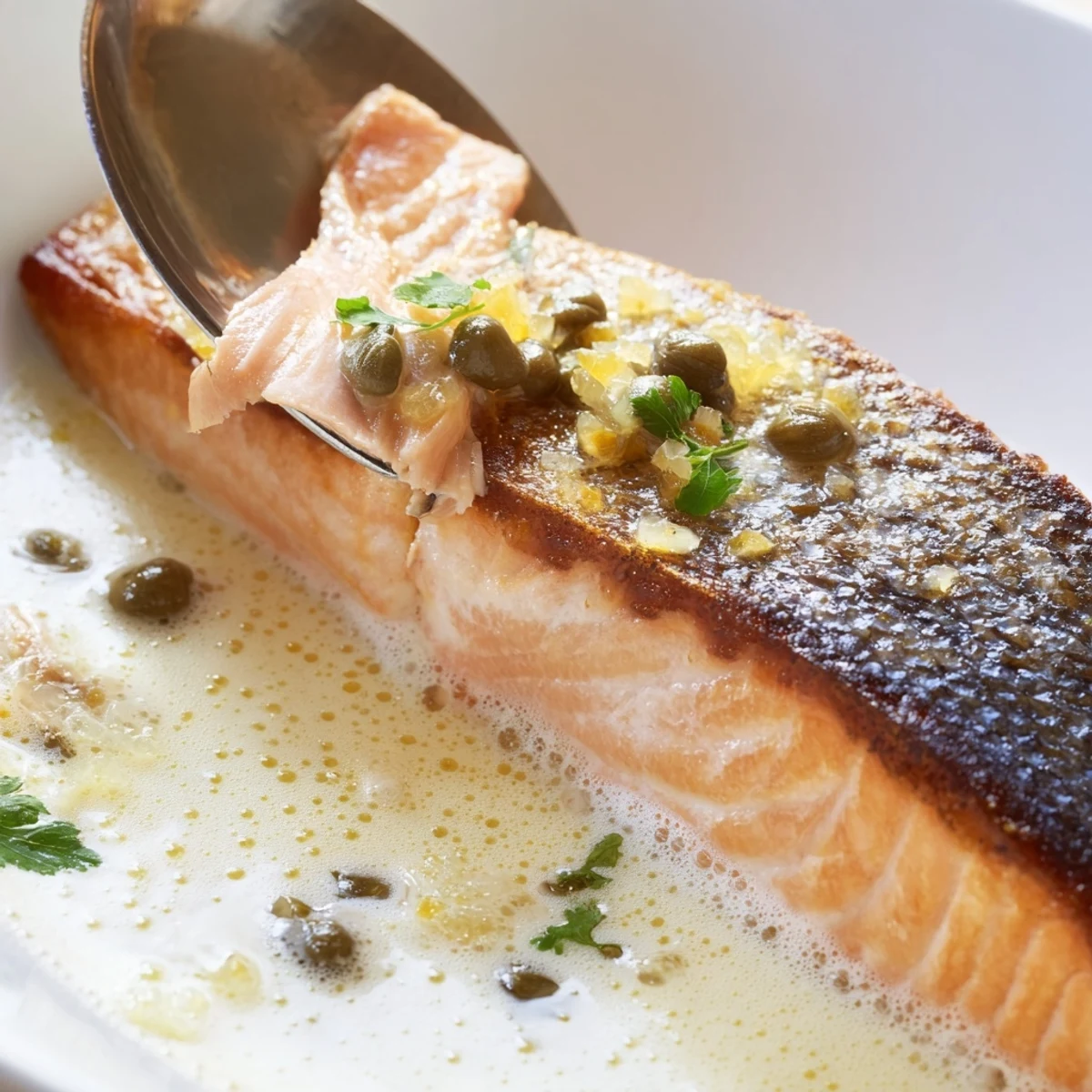
 Achieve restaurant-quality salmon at home with Gordon Ramsay's signature technique. The secret lies in starting skin-side down, pressing gently to prevent curling, and cooking until the skin becomes perfectly crispy. Finish by basting with foaming garlic butter infused with capers and fresh lemon juice. This elegant dish comes together in just 22 minutes, making it ideal for weeknight dinners or special occasions when you want something impressive without hours of preparation.
The first time I attempted crispy-skinned salmon at home, I ended up with a smoking pan and fish stuck to the bottom. It took three attempts before I understood what Gordon Ramsay means about patience and heat control. Now this dish has become my go-to when friends call and say they're coming over in twenty minutes. The sound of that skin hitting the hot pan still makes my kitchen feel like a professional kitchen.
Last summer my sister visited and watched me make this, her eyes widening as I spooned that foaming butter over the fillets. She confessed she'd always been intimidated by fish cooking until she saw how straightforward the process actually is. We ate on the balcony with white wine and agreed this might be the perfect summer dinner. Something about the bright lemon and fresh herbs just makes everything feel lighter.
Ingredients
- Salmon fillets: Skin-on is crucial here because that crispy texture is what elevates this from ordinary to extraordinary, so dont let your fishmonger talk you into skinless
- Sea salt and black pepper: Be generous with the seasoning since salmon can handle bold flavors, and the salt helps draw out moisture for better crisping
- Olive oil: Use a neutral olive oil with a high smoke point so it can handle the medium-high heat without burning
- Unsalted butter: Unsalted gives you control over the seasoning, and it creates that luxurious foaming sauce that makes this dish sing
- Garlic clove: Crush it rather than mincing so you can easily remove it before serving, infusing the butter without overwhelming bites of raw garlic
- Capers: These little briny buds add pops of brightness that cut through the rich salmon and butter sauce
- Fresh lemon juice: Use it right at the end to preserve its bright acidity and prevent the butter from breaking
- Fresh parsley: Chopped right before serving adds color and a fresh herbal finish to balance the richness
- Tenderstem broccoli or asparagus: These cook quickly and pair beautifully with the lemon-caper flavors, plus they look elegant on the plate
Instructions
- Prep your salmon:
- Pat those fillets completely dry with kitchen paper, then season both sides generously with salt and pepper, letting them sit while you heat your pan
- Get your pan hot:
- Heat the olive oil in a large non-stick frying pan over medium-high heat until it shimmers but doesn't smoke
- Start skin-side down:
- Place the salmon fillets skin-side down and press gently with a spatula for ten seconds to prevent curling, then leave them alone
- Let the skin crisp up:
- Cook for five to six minutes until the skin is golden and crispy, and you'll see the fish turn opaque about two-thirds up the side
- Flip and baste:
- Flip the fillets carefully, add the butter and crushed garlic, then tilt the pan and spoon that foaming butter over the fish repeatedly
- Add the bright notes:
- Toss in the capers and lemon juice, continuing to baste for another minute until the salmon is just cooked through
- Finish and serve:
- Remove from heat, sprinkle with fresh parsley, and serve immediately with your blanched vegetables and lemon wedges
 Pin it
 This recipe became a regular in my rotation after I served it to my neighbor who swore she hated fish. She took one bite of that crispy skin and asked for the recipe before she'd even finished her plate. Now whenever I see her in the hallway, she asks if I'm making the salmon tonight.
Getting That Skin Perfect
The secret lies in patience and dryness. Any moisture on the skin will create steam instead of crispiness, so paper towels are your best friend here. I've learned that pressing the fillet down for those first ten seconds really does make the difference between beautifully flat salmon and curled edges.
Wine Pairings That Work
A crisp Sauvignon Blanc cuts through the rich butter while complementing the lemon notes. On nights when I want something creamier, a lightly oaked Chardonnay brings out the nuttiness of the browned butter. The key is choosing something with enough acidity to stand up to the capers.
Making It Your Own
Once you've mastered the basic technique, this recipe welcomes endless variations. I've added fresh tarragon in spring and dill in summer, both bringing their own lovely personality to the dish. The technique remains the same, but small herb changes make it feel entirely new.
- Try adding a teaspoon of Dijon mustard to the butter sauce for extra depth
- A splash of white wine in the pan before adding butter creates a more complex sauce
- Keep those blanched vegetables bright by shocking them in ice water after boiling
 Pin it
 There's something deeply satisfying about a recipe that looks impressive but comes together in under twenty minutes. This salmon has saved more weeknight dinners than I can count.
Recipe FAQ
- → How do I get crispy salmon skin?
-
Start with a very hot pan, place salmon skin-side down, and press gently for 10 seconds to prevent curling. Don't move the fillet while the skin crisps—cook for 5-6 minutes until golden and crisp before flipping.
- → What temperature should salmon be cooked to?
-
Cook salmon until just opaque throughout, about 63°C (145°F) at the thickest part. The fish will continue cooking slightly after removing from heat, so take it off when there's just a hint of translucency in the center.
- → Can I use frozen salmon fillets?
-
Yes, thaw completely and pat very dry with kitchen paper before cooking. Excess moisture prevents crispy skin formation. Thaw overnight in the refrigerator for best results.
- → What vegetables pair well with this dish?
-
Tenderstem broccoli, asparagus, green beans, or sautéed spinach work beautifully. The bright lemon-caper sauce complements any green vegetable. Roasted potatoes or steamed rice also make excellent sides.
- → How do I know when the salmon is done?
-
The flesh should flake easily when tested with a fork, and the flesh should appear opaque rather than translucent. Visual cues are reliable—the salmon will turn from translucent pink to opaque throughout.