
 Pin it
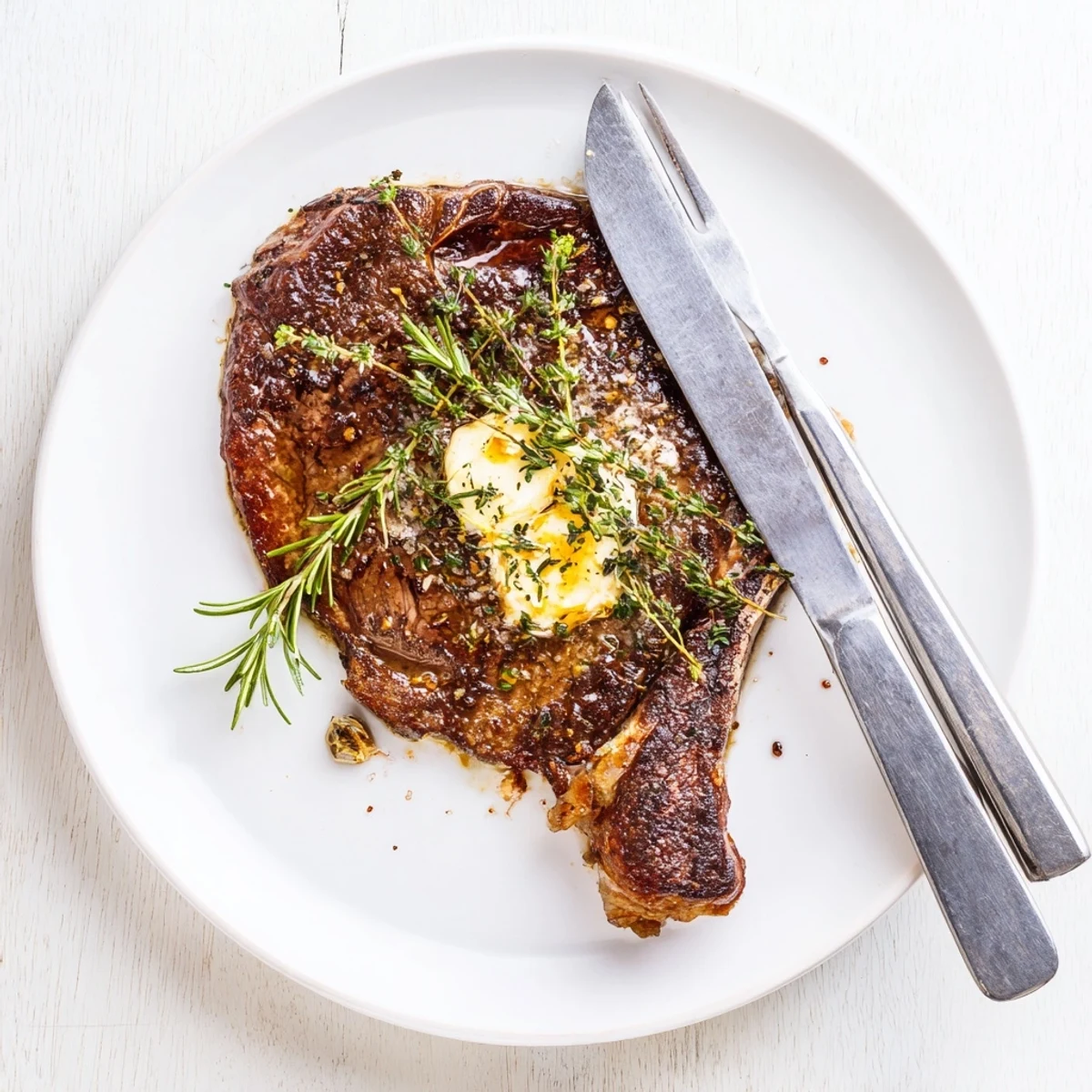
 Create restaurant-quality ribeye steak at home with this simple technique. Start with well-seasoned room-temperature steaks, sear in a hot cast-iron skillet until a golden-brown crust forms, then finish with aromatic garlic butter basting. The key is high heat, patience during the initial sear, and continuous basting for maximum flavor. Let the steak rest before serving to ensure tender, juicy results every time.
My brother in law stood over his cast iron skillet one Tuesday evening, silent and focused, while I watched from the doorway. He claimed restaurant steaks came down to three things: patience, high heat, and not touching the meat once it hits the pan. That first bite changed everything I thought I knew about cooking beef at home.
We started making these for our anniversary dinner instead of going out. The kitchen fills with this incredible butter garlic scent that makes the dogs circle like sharks. Somehow a home cooked steak feels more special than anything we have ever ordered off a menu.
Ingredients
- Ribeye steaks: Room temperature is non negotiable here. Cold meat shocks the pan and creates uneven cooking.
- Kosher salt: Use a heavy hand. The salt crystals create that incredible crust we are chasing.
- Freshly ground black pepper: Grind it right before seasoning. Stale pepper ruins the finish.
- Unsalted butter: Unsalted lets you control the seasoning. High quality butter makes a difference.
- Garlic cloves: Smashed releases more oils into the butter than minced.
- Fresh thyme and rosemary: Woody herbs stand up to high heat better than delicate ones like basil.
- High heat oil: Canola or avocado oil handles the temperature without smoking.
Instructions
- Prep the meat:
- Pat those steaks completely dry with paper towels. Any moisture on the surface means steaming instead of searing. Season both sides generously with salt and pepper.
- Get the pan screaming hot:
- Heat your cast iron over high heat for about 2 minutes. Add the oil and swirl until the pan is coated and shimmering.
- Develop the first crust:
- Lay the steaks in the hot pan and resist every urge to move them. Let them cook undisturbed for 3 to 4 minutes until golden brown.
- Flip and baste:
- Turn the steaks and toss in the butter, garlic, and herbs. Tilt the pan and spoon that melting herb butter over the meat continuously.
- Check and rest:
- Cook until your thermometer reads 125°F for rare or 135°F for medium rare. Let them rest on a cutting board for 5 full minutes before serving.
 Pin it
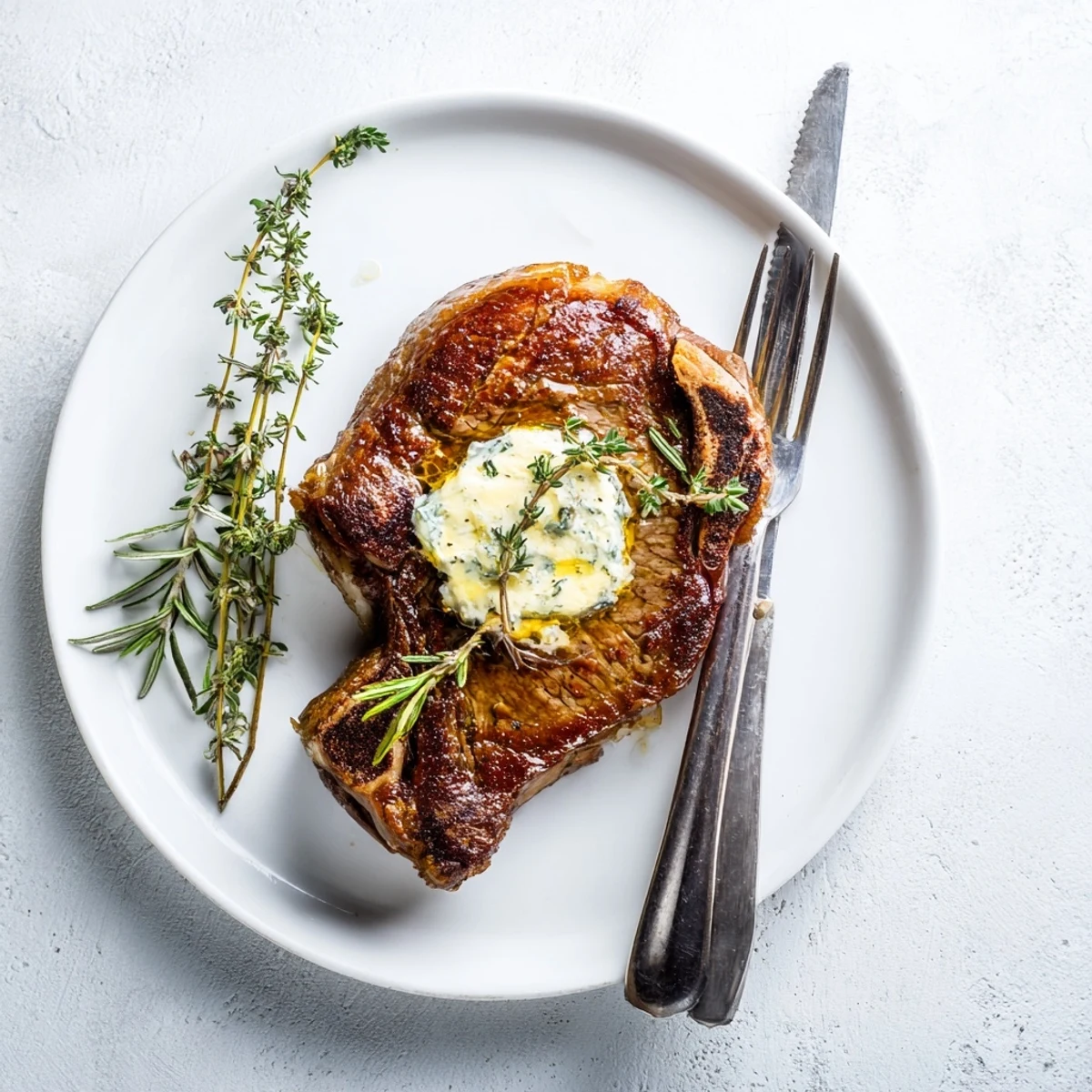
 Last Valentine's Day we stayed home and cooked these together. Something about standing over the stove, basting meat in herb butter, felt more intimate than any crowded restaurant could ever be. We ate at the kitchen counter with the wine bottle between us.
Choosing the Right Cut
Look for steaks with good marbling throughout. Those white fat strands melt during cooking and keep the meat tender and flavorful. I grab mine from the butcher counter where I can ask about thickness and aging.
Temperature Matters
An instant read thermometer eliminates the guessing game completely. Carryover cooking means the temperature rises about 5 degrees during rest. Pull at 120 if you want medium rare eventually. Trust the thermometer over your instincts.
Building the Perfect Plate
A great steak deserves better sides than a plain baked potato. Roasted vegetables with some char from the oven work beautifully. A simple arugula salad with lemon vinaigrette cuts through the richness.
- Keep sides simple so the steak remains the star
- Something acidic helps balance the buttery finish
- Warm plates help hold the heat while you eat
 Pin it
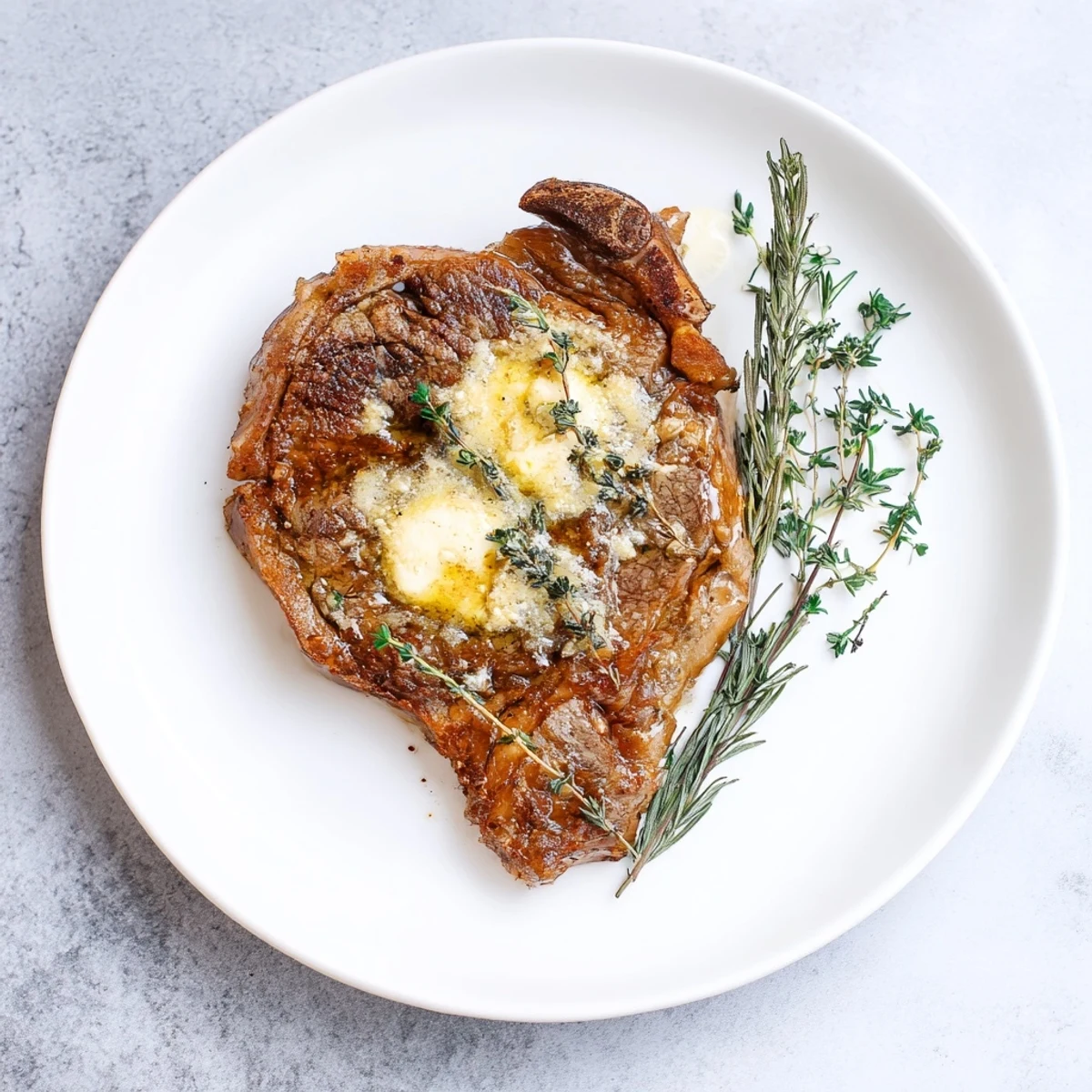
 There is something deeply satisfying about cooking a perfect steak in your own kitchen. Pour the wine and enjoy the process.
Recipe FAQ
- → What temperature should ribeye steak be cooked to?
-
For rare, aim for 125°F/52°C. For medium-rare, target 135°F/57°C. Use an instant-read thermometer for accurate results.
- → Why let steak rest before serving?
-
Resting allows juices to redistribute throughout the meat, ensuring maximum tenderness and preventing them from running out when cut.
- → Can I use a different pan instead of cast-iron?
-
While cast-iron is ideal for achieving the best crust, a heavy stainless steel pan also works well. Avoid non-stick pans as they can't handle the high heat needed.
- → How do I know when the crust is formed?
-
The steak will release easily from the pan when a golden-brown crust has formed. This typically takes 3-4 minutes over high heat.
- → What herbs work best with ribeye?
-
Fresh thyme and rosemary are classic choices. Their woody aromatics stand up well to high heat and complement the rich beef flavor beautifully.
- → Can I make this dairy-free?
-
Yes, substitute the butter with a plant-based alternative or olive oil. The basting technique still infuses the garlic and herb flavors into the steak.