
 Pin it
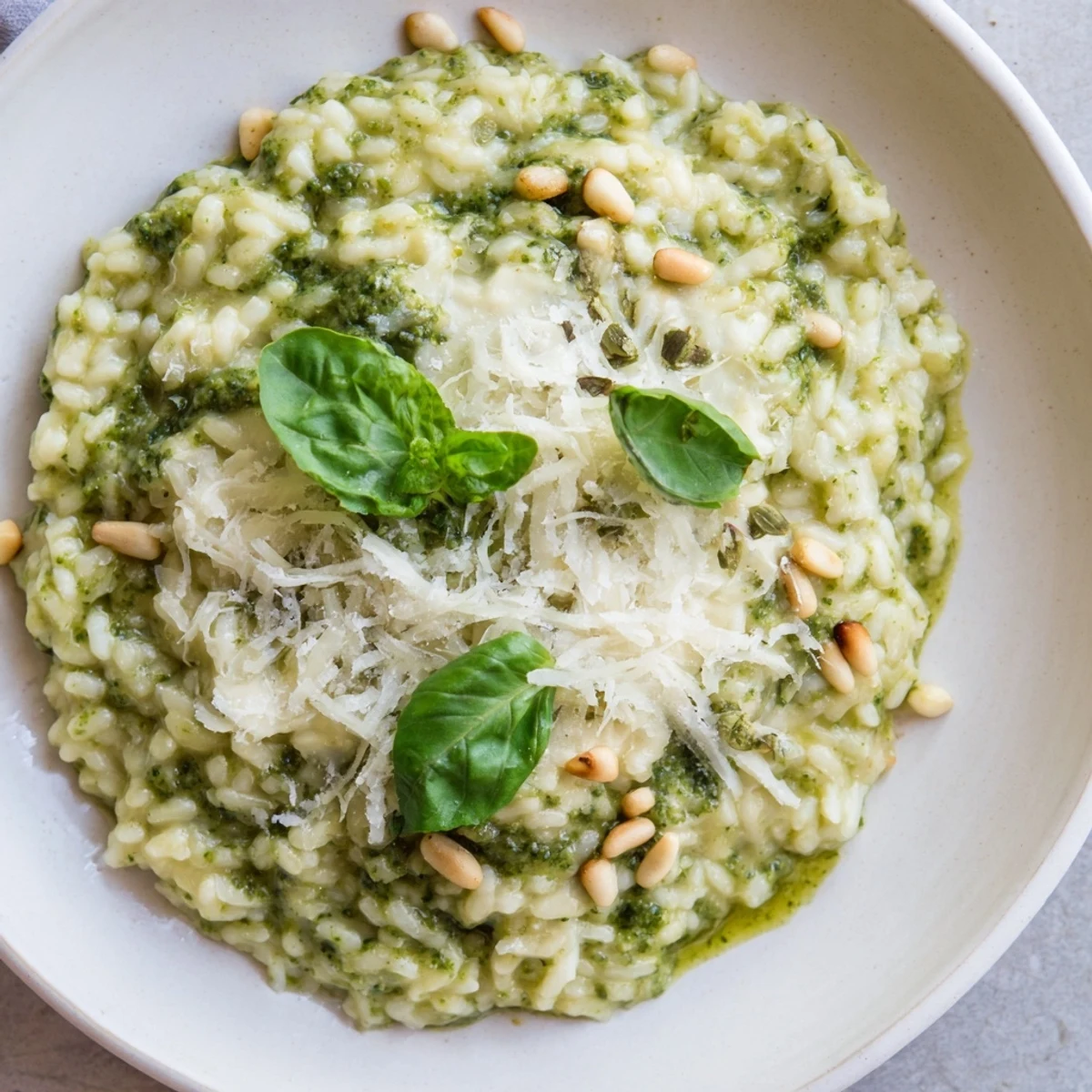
 This luxurious Italian dish transforms creamy Arborio rice into a restaurant-worthy masterpiece through the traditional slow-cooking method. The grains are gradually infused with warm vegetable broth, creating that signature velvety texture while maintaining a perfect al dente bite. Fresh basil pesto and aged Parmesan are swirled in at the end, adding layers of aromatic herbs and savory depth. The result is an incredibly satisfying, comforting dish that feels elegant enough for dinner guests yet simple enough for a weeknight treat.
My tiny apartment kitchen became an accidental risotto laboratory one rainy Tuesday. I'd been intimidated by risotto for years, convinced it required some secret Italian grandmother technique passed down through generations. That evening, with a half-empty container of homemade pesto staring at me from the fridge, I decided risotto needed to stop being sacred and start being dinner. The first spoonful stopped me cold in my tracks.
Last summer my sister visited and I made this for her birthday dinner. She's the pickiest eater I know, usually regarding green sauce with deep suspicion, but she took one bite and literally went quiet for a full minute. That's the highest compliment she's capable of giving food. Now whenever she visits, this risotto is non-negotiable.
Ingredients
- Arborio rice: This short-grain rice is essential for risotto because it releases starch slowly, creating that signature creamy texture. I've tried substituting other rices and it's never quite the same.
- Vegetable broth: Keep it warm in a separate pot while cooking. Adding cold broth shocks the rice and ruins the creaminess. Low-sodium lets you control the salt level.
- Butter and olive oil: The combination gives you flavor from the butter plus a higher smoke point from the oil. Dont skip either.
- Yellow onion: Finely diced so it melts into the rice. You want the foundation of flavor without distinct onion pieces.
- Garlic: Freshly minced is best. Garlic powder won't give you that aromatic backdrop that makes everything else sing.
- White wine: Dry adds acidity that cuts through the richness. Pinot Grigio or Sauvignon Blanc work beautifully.
- Parmesan cheese: Freshly grated makes all the difference. Pre-grated cheese has anti-caking agents that prevent it from melting properly.
- Basil pesto: Homemade is wonderful but good store-bought works perfectly. Look for one with visible basil pieces, not a uniform green paste.
- Salt and pepper: Taste at the end before adding much salt since both the cheese and pesto are already seasoned.
- Fresh basil and pine nuts: These aren't strictly necessary but they make the final dish look as good as it tastes.
Instructions
- Build your flavor foundation:
- Melt butter with olive oil in a large heavy-bottomed pan over medium heat. Add your onion and let it soften until translucent, about 3 minutes. Stir in the garlic for just one minute more.
- Toast the rice:
- Add Arborio rice and stir constantly for 2 minutes. The grains should look slightly translucent at the edges and smell nutty.
- Deglaze with wine:
- Pour in white wine and stir until almost completely absorbed. The kitchen should smell amazing right about now.
- The meditative stirring phase:
- Add warm broth one ladle at a time, stirring frequently. Let each addition absorb before adding more. Continue until rice is creamy and al dente, about 18 to 20 minutes.
- Transform into pesto risotto:
- Reduce heat to low. Stir in Parmesan cheese and pesto until fully combined and melting throughout.
- The crucial resting moment:
- Remove from heat, cover, and let rest for 2 minutes. This step seems small but makes the texture perfect.
- Serve with love:
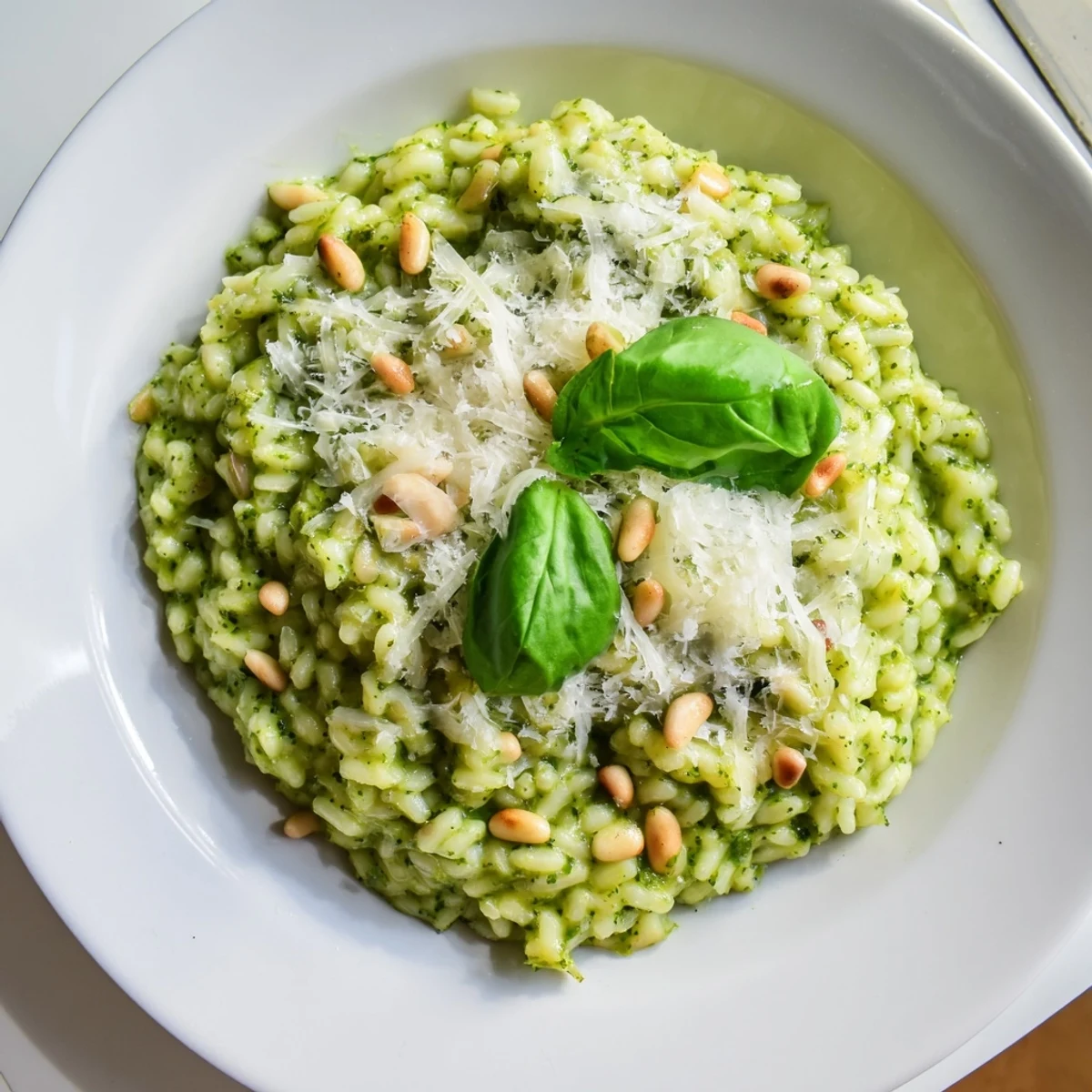
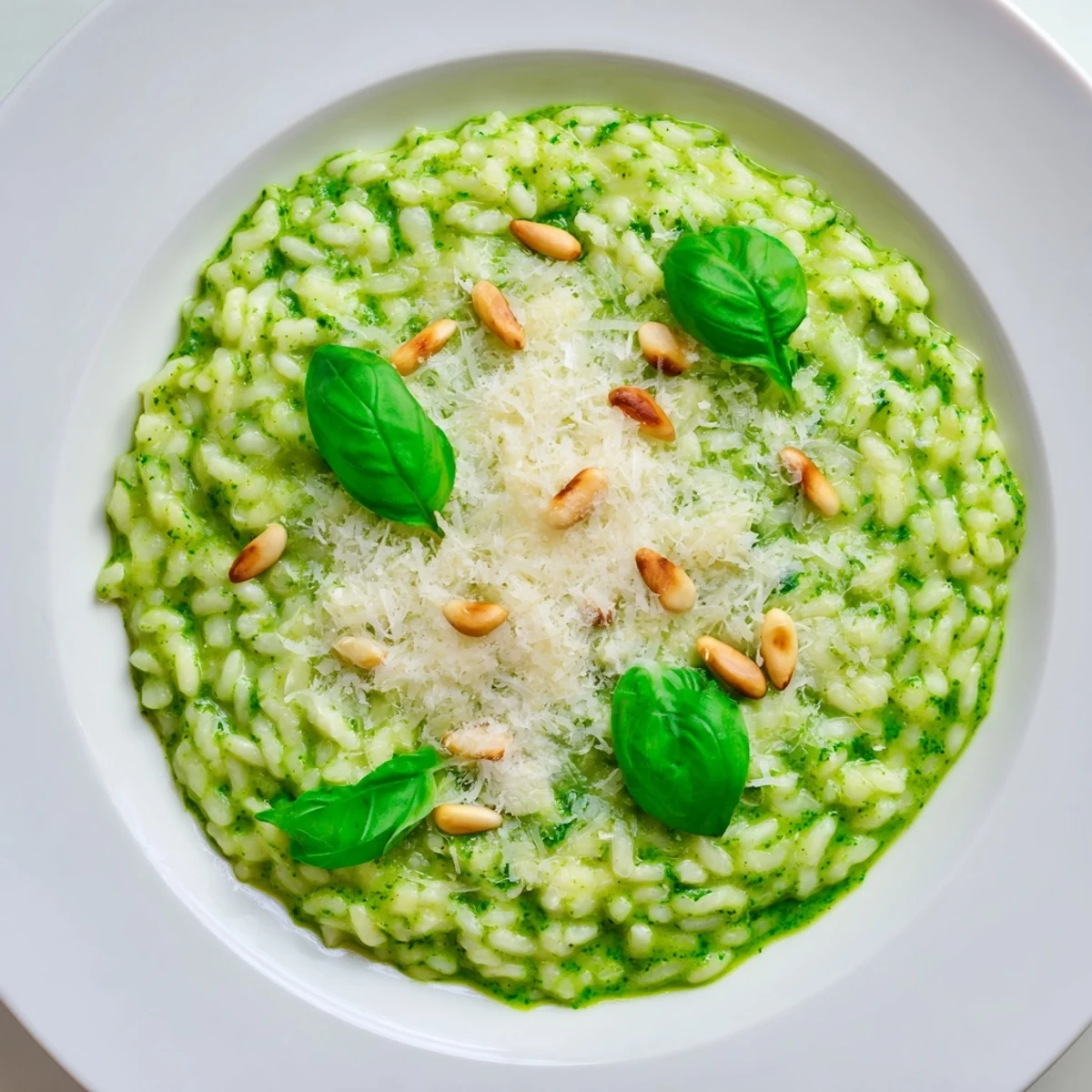
- Plate immediately while it's still flowing slowly like lava on the plate. Top with extra cheese, basil leaves, and toasted pine nuts if you're feeling fancy.
 Pin it
 This risotto taught me that some dishes are worth the extra attention. There's something almost meditative about the stirring process, watching the transformation happen gradually under your watch. It's become my go-to when I need to slow down and remember why I love cooking.
Making It Your Own
The beauty of this base recipe is how well it plays with additions. I've added sautéed mushrooms in autumn, fresh peas in spring, and roasted cherry tomatoes in summer. Each variation feels like a completely different meal while still being recognizably comforting.
Wine Pairing Magic
Crisp white wines cut beautifully through the richness. A cold Pinot Grigio or Sauvignon Blanc served alongside brings out the herbal notes in the pesto while refreshing your palate between bites. It's the difference between a good dinner and a great one.
Leftover Secrets
Risotto is best fresh but leftovers make incredible arancini the next day. Just form cold risotto into balls, coat in breadcrumbs, and fry until golden. Or add a splash more broth and heat gently with a fried egg on top for breakfast that feels indulgent.
- Don't refrigerate leftover risotto longer than 2 days, the rice texture changes noticeably.
- Reheat with a splash of broth, not water, to maintain creaminess.
- The pesto flavor actually intensifies overnight, so leftovers might taste even better the next day.
 Pin it
 Some dishes are just worth the extra effort and attention, and this risotto has earned its permanent place in my dinner rotation. Hope it finds a home in yours too.
Recipe FAQ
- → Why is Arborio rice essential for this dish?
-
Arborio rice contains high amylopectin starch content that releases during cooking, creating the characteristic creamy sauce. This short-grain Italian rice maintains a firm center while becoming tender on the outside, delivering the perfect texture that defines authentic risotto.
- → Can I make this without wine?
-
Absolutely. Simply substitute the white wine with additional vegetable broth. The wine adds acidity and depth, but the dish remains delicious without it. You might want to add a squeeze of lemon juice at the end to brighten the flavors.
- → Why must the broth be warm?
-
Adding cold broth shocks the rice and interrupts the cooking process, resulting in uneven texture. Warm broth maintains the temperature, allowing the starch to release gradually and creating that smooth, creamy consistency that makes risotto so special.
- → How do I know when the risotto is done?
-
Taste the rice—it should be tender but still have a slight bite in the center (al dente). The texture should be creamy and flowing, not stiff or watery. If needed, add small splashes of warm broth until you achieve the perfect consistency.
- → Can I use store-bought pesto?
-
Yes, quality store-bought pesto works beautifully. Look for brands with simple ingredients and vibrant green color. For the best flavor, choose a jar from the refrigerated section rather than shelf-stable varieties, which often contain preservatives that affect taste.