
 Pin it
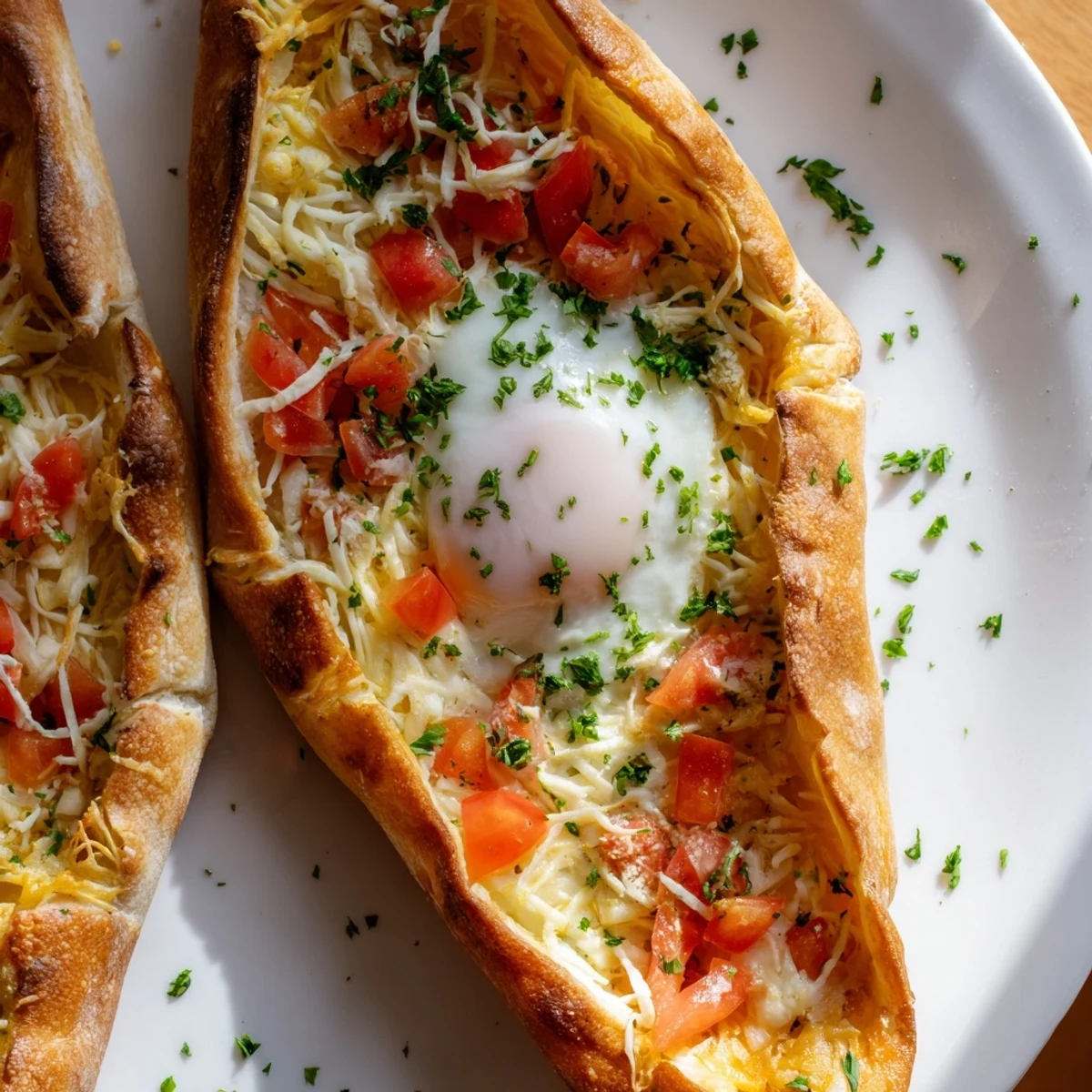
 This classic Turkish flatbread features a soft, chewy dough shaped into boats and filled with a savory blend of mozzarella and feta cheeses, diced ripe tomatoes, and aromatic herbs. Each pide is topped with a fresh egg that bakes alongside the cheese until the whites set while yolks stay lusciously runny. The edges are brushed with butter for golden color and extra richness. Perfect for breakfast, brunch, or a light dinner, these handheld boats deliver warm comfort food with Mediterranean flair.
Its funny how the simplest memories stick with you. I was wandering through Istanbul between conference sessions when I followed the scent of baking bread down a narrow side street. A tiny shop had just pulled these golden boat shaped flatbreads from a wood fired oven, and one bite of that runny yolk mingling with salty feta changed my entire afternoon.
Last summer I made these for a crowd of friends who were skeptical about eggs on bread. By the time the last pide came out of the oven, everyone was hovering around the baking sheet like vultures. Theres something universally satisfying about tearing into that boat shape and getting a perfect bite of everything at once.
Ingredients
- 2 ¼ cups all purpose flour: This creates a sturdy base that still puffs beautifully in the high heat
- 1 tsp instant yeast: No proofing needed here, it blooms right in the warm water
- ½ tsp sugar: Just enough to feed the yeast and help the dough develop that gorgeous golden color
- 1 tsp salt: Dont skip this, the dough needs seasoning to stand up to the rich filling
- ¾ cup warm water: Should feel like bath temperature, about 100°F
- 2 tbsp olive oil: Keeps the dough tender and helps it handle that rolling without tearing
- 1 cup shredded mozzarella: Provides that irresistible cheese pull in every bite
- 1 cup feta cheese, crumbled: Brings the salty tang that makes this distinctly Turkish
- 2 medium tomatoes, seeded and diced: Remove the seeds so your dough doesnt get soggy
- 2 tbsp fresh parsley, chopped: Brightens everything and adds that pop of green
- 1 tsp dried oregano: Earthy notes that bridge the cheese and tomatoes perfectly
- ½ tsp ground black pepper: A little heat that wakes up all the flavors
- 4 large eggs: The star of the show, one per pide for that runny yolk magic
- 2 tbsp butter, melted: For brushing the edges gives them that glossy restaurant finish
- Extra chopped parsley: Fresh garnish because we eat with our eyes first
Instructions
- Mix your dough base:
- Combine the flour, yeast, sugar, and salt in a large bowl, then pour in the warm water and olive oil. Stir with a wooden spoon until everything comes together in a shaggy mess.
- Knead until smooth:
- Dump the dough onto a lightly floured surface and knead for about 8 minutes until it transforms into something smooth and elastic, bouncing back when you poke it.
- Let it rise:
- Cover the bowl with a clean towel and set it somewhere warm for an hour until the dough has doubled in size.
- Heat things up:
- Crank your oven to 475°F and line a baking sheet with parchment paper while the dough finishes rising.
- Make the filling:
- Toss together the mozzarella, feta, diced tomatoes, parsley, oregano, and pepper in a bowl.
- Shape your boats:
- Punch down the dough and divide it into 4 equal pieces, then roll each into an oval about 10 by 4 inches.
- Fill and form:
- Transfer the ovals to your prepared baking sheet and spread the cheese mixture evenly over each one, leaving a small border. Fold the edges over slightly and pinch the ends to create that classic boat shape.
- First bake:
- Brush the dough edges with melted butter and bake for 10 minutes until the crust is just starting to set.
- Add the eggs:
- Carefully pull the sheet from the oven and crack an egg into the center of each pide, then return it to the oven for 7 to 10 more minutes.
- Finish and serve:
- The eggs are done when the whites are set but those yolks are still gloriously runny. Brush the edges with more butter if you want, scatter on some fresh parsley, and carry them to the table while theyre still hot.
 Pin it
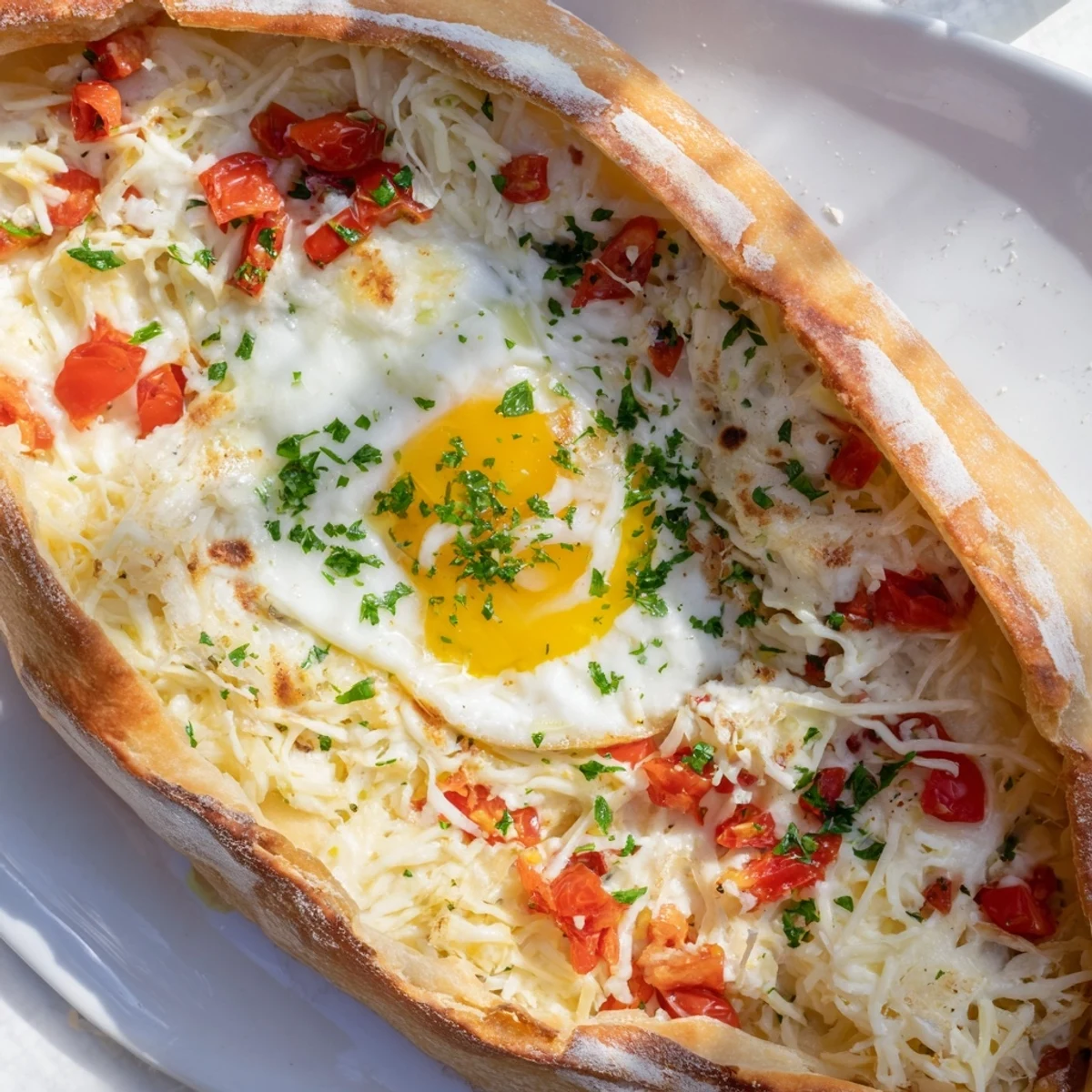
 My sister called me midway through making these once, panicked that her eggs had spread everywhere. I told her to make a little well in the cheese before cracking, and now she swears its the only way to get that perfect centered yolk. Some recipes are meant to be learned through the happy accidents.
Getting The Dough Right
The dough should feel slightly tacky but not sticky when you are done kneading. If it is clinging to your hands and work surface, sprinkle in a tablespoon of flour and keep going. Too much flour makes tough pide, so err on the side of slightly sticky.
Customizing Your Filling
Sautéed spinach works beautifully alongside the tomatoes, or try swapping in some crumbled goat cheese for part of the feta. I have even added caramelized onions when I had extra time, and the sweetness against the salty cheese was something else entirely.
Timing Everything Perfectly
Have your eggs cracked into individual small bowls before you add them to the pide. Trying to crack eggs directly into a hot, cheese filled boat while the oven is cooling down is how you end up with shells in your dinner.
- Let the pide rest for 3 minutes after baking so the cheese sets slightly
- Serve with lemon wedges for a bright contrast to all that richness
- These are best eaten the moment they come out of the oven
 Pin it
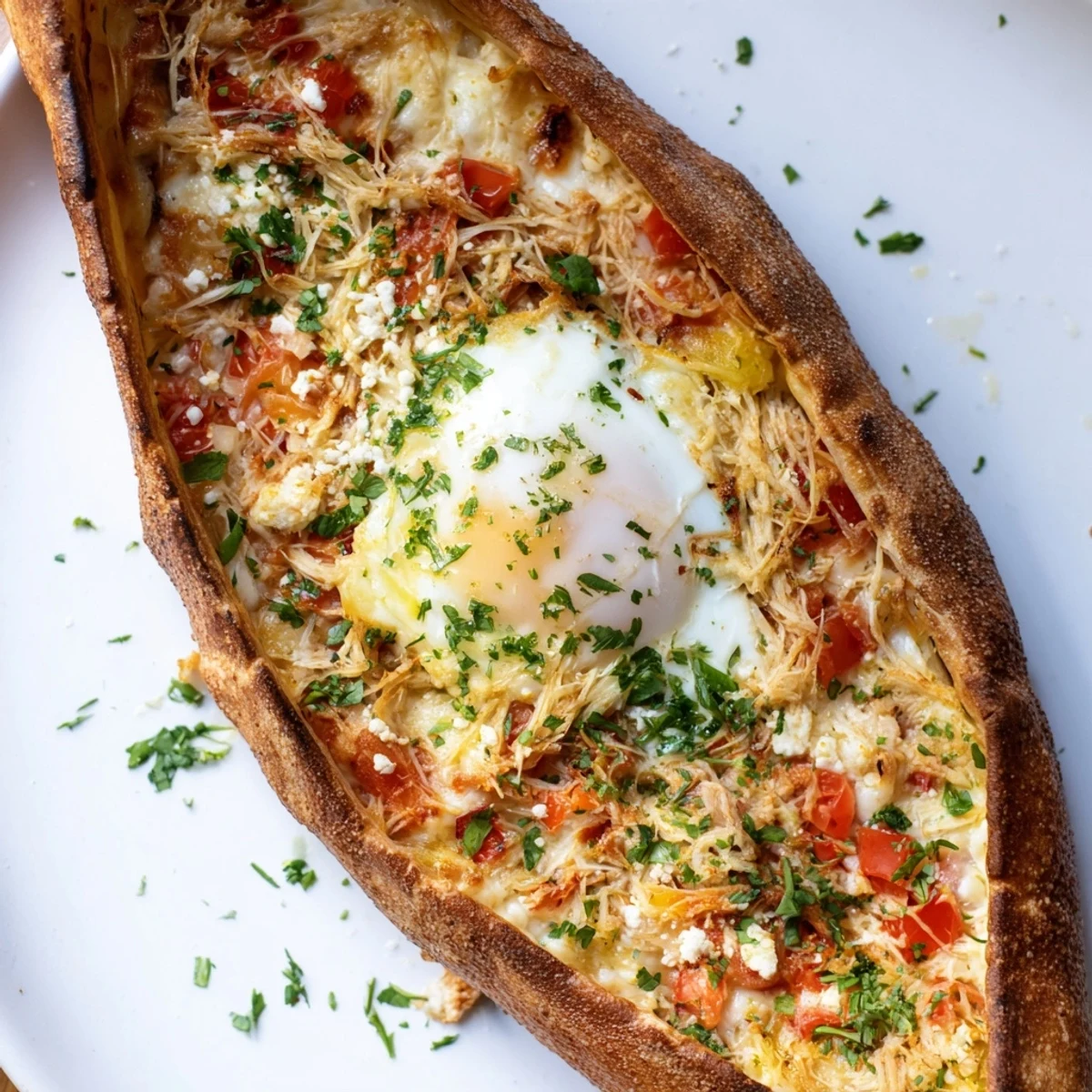
 Theres something deeply satisfying about pulling these from the oven, the edges golden and bronzed, the yolks trembling just right. Maybe it is the shape, maybe it is the memories, but food this good was meant to be shared.
Recipe FAQ
- → What makes Turkish pide different from pizza?
-
Pide features a thicker, softer dough that's shaped into a boat with folded edges, unlike the flat pizza base. The filling stays contained within the raised borders, and toppings typically include crumbled feta along with other cheeses and fresh eggs baked directly on the bread.
- → Can I make the dough ahead of time?
-
Yes, prepare the dough and let it rise for the first hour, then refrigerate it for up to 24 hours. Bring to room temperature for 30 minutes before shaping and topping. This actually develops more flavor in the dough.
- → How do I know when the eggs are properly cooked?
-
The whites should be completely set and opaque, while the yolks remain slightly jiggly and runny when you gently shake the pan. If yolks become firm, they're overcooked. The baking time of 7-10 minutes after adding eggs usually achieves perfect results.
- → Can I freeze assembled but unbaked pide?
-
Absolutely. Prepare the pide through step 5, adding the cheese and tomato mixture but not the eggs. Freeze flat on a baking sheet, then wrap well. Bake from frozen, adding 5-10 minutes to the initial baking time before cracking eggs into the centers.
- → What cheese alternatives work well in this filling?
-
Kashkaval is the traditional Turkish cheese that melts beautifully. You can also use Gruyère for nuttiness, provolone for mild flavor, or halloumi for a salty kick. Just ensure you have a mix of melting cheese and crumbly cheese for the best texture.
- → Is pide served with any condiments?
-
Traditional accompaniments include lemon wedges for squeezing over the top, aleppo pepper or pul biber for heat, and sometimes a garlic yogurt sauce on the side. Fresh mint or extra parsley also adds brightness to the rich flavors.