
 Pin it
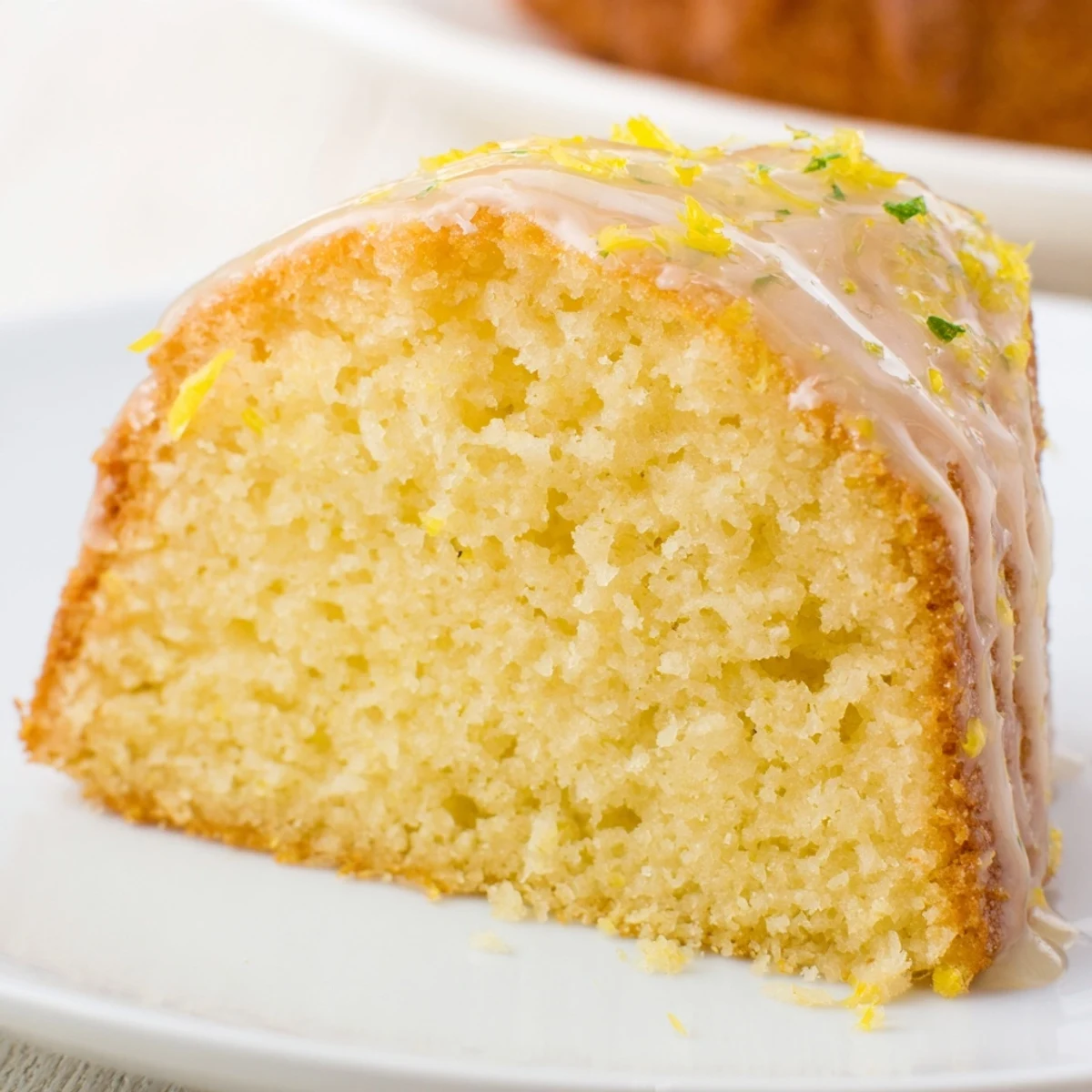
 This moist lemon drizzle sponge combines the bright zest of lemons with a rich buttery texture for a perfect teatime treat. The cake is baked until golden, then soaked with a fresh lemon glaze that seeps into the crumb, adding extra tang and sweetness. Light and fluffy with a zesty finish, it’s ideal served sliced with a side of berries or cream. Simple to prepare, this dessert balances citrus sharpness and sweetness in every bite.
There's something about the smell of lemon zest hitting hot butter that makes a kitchen feel instantly alive. I discovered this cake quite by accident one afternoon when I had too many lemons from the market and a sudden craving for something bright and tender. The result was this glorious golden loaf with a sticky-sweet glaze that soaks in while it's still warm, creating those little pockets of citrus syrup throughout. It's become my go-to when I need comfort food that doesn't apologize for being cheerful.
I brought this to a friend's house years ago when she was going through a rough patch, and I remember her eating a slice in her kitchen at midnight, just staring out the window. She didn't say much, just asked for another piece. Food isn't always about being impressive; sometimes it's just about showing up with something warm that tastes like someone cares. That cake did the talking.
Ingredients
- Unsalted butter, 225 g softened: Softening it properly means your cake will be light and airy—no dense, heavy crumb. Leave it on the counter for about an hour before you start.
- Caster sugar, 225 g: The fine crystals dissolve faster than regular sugar, giving you that silky pale mixture that's the foundation of a tender cake.
- Large eggs, 4: Room temperature eggs blend in smoothly and create a better structure—cold ones can make the batter split.
- Self-raising flour, 225 g: Already has the baking powder mixed in, which saves a step and keeps the rise consistent.
- Lemon zest, finely grated from 2 lemons: This is where all the flavor lives—don't skip it or use bottled zest, the fresh stuff is worlds apart.
- Milk, 2 tbsp: Just enough to loosen the batter and keep it tender without making it wet.
- Salt, 1/2 tsp: A small pinch that makes the lemon flavor pop without tasting salty.
- Lemon juice, from 2 lemons: For the drizzle—freshly squeezed tastes bright and alive.
- Granulated sugar, 100 g: Larger crystals stay visible on the glaze, giving you those little sweet crunches on top.
Instructions
- Set yourself up for success:
- Preheat your oven to 180°C (350°F) and get that loaf tin lined with parchment paper—it peels away so cleanly when you do this properly. Have everything measured and ready because once you start mixing, you want to work gently and quickly.
- Cream the butter and sugar into something pale and fluffy:
- This takes about 3–4 minutes with an electric mixer, or about 5 minutes if you're using a wooden spoon and some elbow grease. The pale color means you've incorporated enough air to make the cake rise beautifully.
- Add the eggs one at a time, beating well after each:
- If you dump them all in together, the mixture can split and look curdled—not the end of the world, but one at a time keeps everything smooth and glossy. Each egg should disappear completely before you add the next.
- Fold in the flour, salt, and lemon zest:
- Use a spatula and fold gently—don't beat it, or you'll develop gluten and end up with a tough cake. When there are still a few streaks of flour visible, add the milk and fold until just combined.
- Transfer to your prepared tin and bake:
- Pour the batter in and smooth the top with a spatula, then slide it into the oven. Set a timer for 45 minutes and look for a light golden top and a skewer that comes out clean.
- Make the drizzle while the cake bakes:
- Stir the lemon juice and granulated sugar together in a small bowl—the sugar won't fully dissolve, and that's exactly what you want. Those little crystals are what make the magic happen.
- Prick and drizzle while hot:
- The moment the cake comes out, while it's still steaming, poke holes all over the top with a skewer. Pour the drizzle over slowly and let it soak in, creating those sticky pockets throughout.
- Let it cool completely before turning out:
- Leave it in the tin until it's completely cool—the heat helps the drizzle set and the cake won't crumble when you turn it out. This patience pays off.
 Pin it
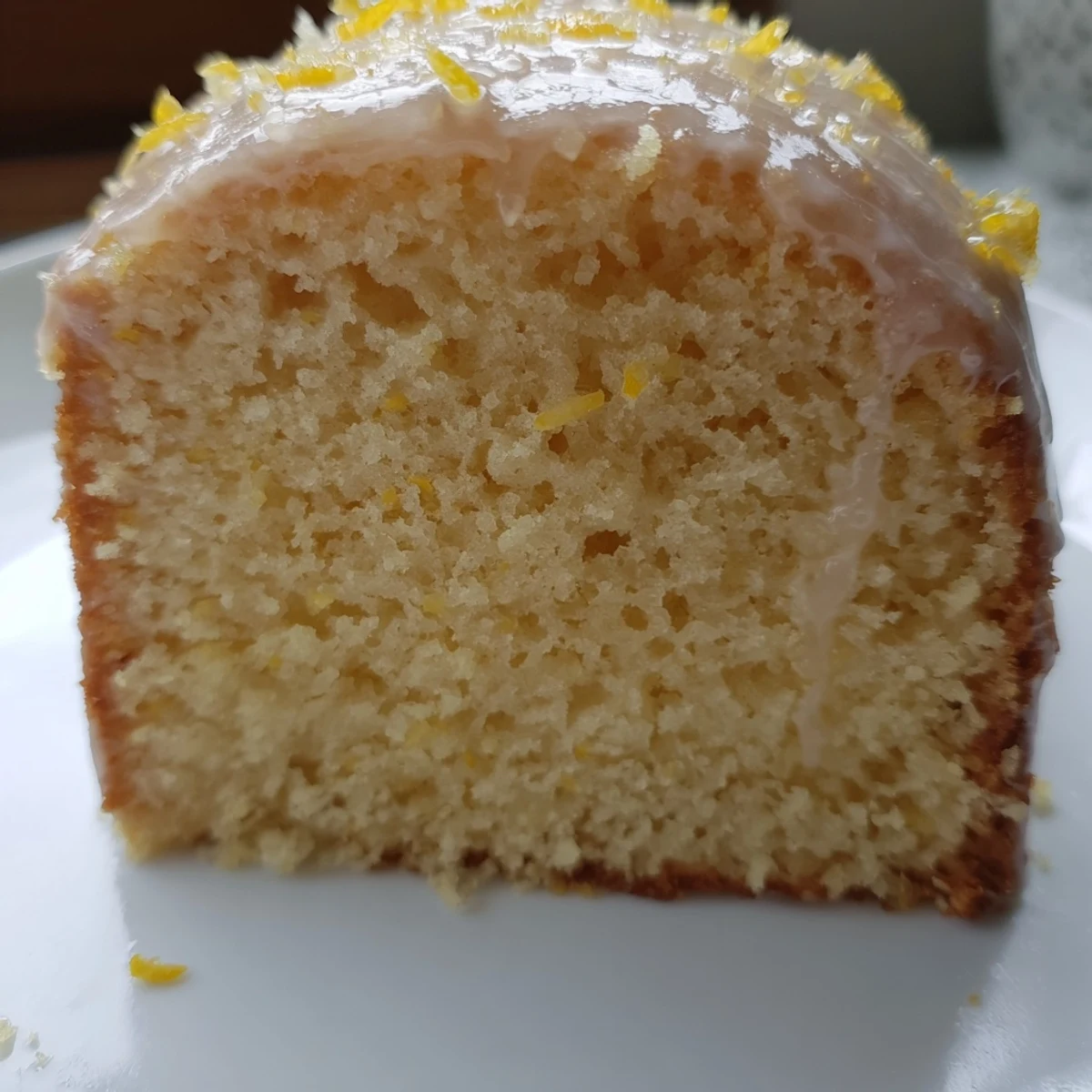
 This cake actually improves on day two, when the flavors deepen and everything settles together in the most wonderful way. I've learned to make it the day before whenever I can, just so there's this secret treat waiting in my kitchen when I wake up.
The Power of Fresh Lemon Zest
Lemon zest is where all the brightness lives—not the juice, the zest. The oils in the skin hold a flavor that bottled lemon extract could never touch, and when you fold it into warm butter and sugar, it smells like pure citrus happiness. I used to use a microplane grater, but honestly a regular box grater works just fine if you're gentle. Just make sure you're only getting the yellow part, not the bitter white pith underneath.
Why This Cake Stays Moist
The secret isn't a secret at all—it's the drizzle soaking in while the cake is still hot. That sugar syrup gets absorbed into all those little air pockets created by proper creaming, and it keeps the cake tender and moist for days. Some people add oil or yogurt to their sponges, but this method feels more elegant and tastes cleaner, just pure butter, eggs, and lemon.
Serving and Storing This Treasure
A slice with a cup of tea is the obvious choice, but I've also served it with whipped cream and berries when I wanted to make it feel fancier. It keeps beautifully wrapped in an airtight container for four or five days, and it actually tastes better on day two when everything has melded together.
- Dust with extra lemon zest just before serving for a fresh pop of color and flavor.
- If you want a citrus twist, swap half the lemon juice for fresh lime juice in the drizzle.
- Store in an airtight container at room temperature, and it will stay moist and tender all week.
 Pin it
 This cake has a way of making ordinary afternoons feel a little bit special. It's simple enough that you'll make it again and again, and generous enough to share with anyone who needs a moment of brightness.
Recipe FAQ
- → How do I achieve a moist lemon sponge?
-
Ensure the butter and sugar are creamed until pale and fluffy for aeration, and add the lemon drizzle while the cake is still warm to soak in extra moisture.
- → What is the purpose of lemon zest in the batter?
-
Lemon zest adds concentrated citrus oils that brighten the flavor without adding acidity, enhancing the overall freshness.
- → Can I substitute granulated sugar in the drizzle?
-
While granulated sugar dissolves well for the drizzle, caster sugar can be used as a substitute but may take longer to dissolve.
- → Is it important to prick the cake before adding the drizzle?
-
Yes, pricking allows the lemon drizzle to penetrate the sponge evenly, ensuring each bite is moist and flavorful.
- → What are good serving suggestions for this cake?
-
Serve slices with whipped cream or fresh berries to complement the tangy citrus notes and add texture contrast.