
 Pin it
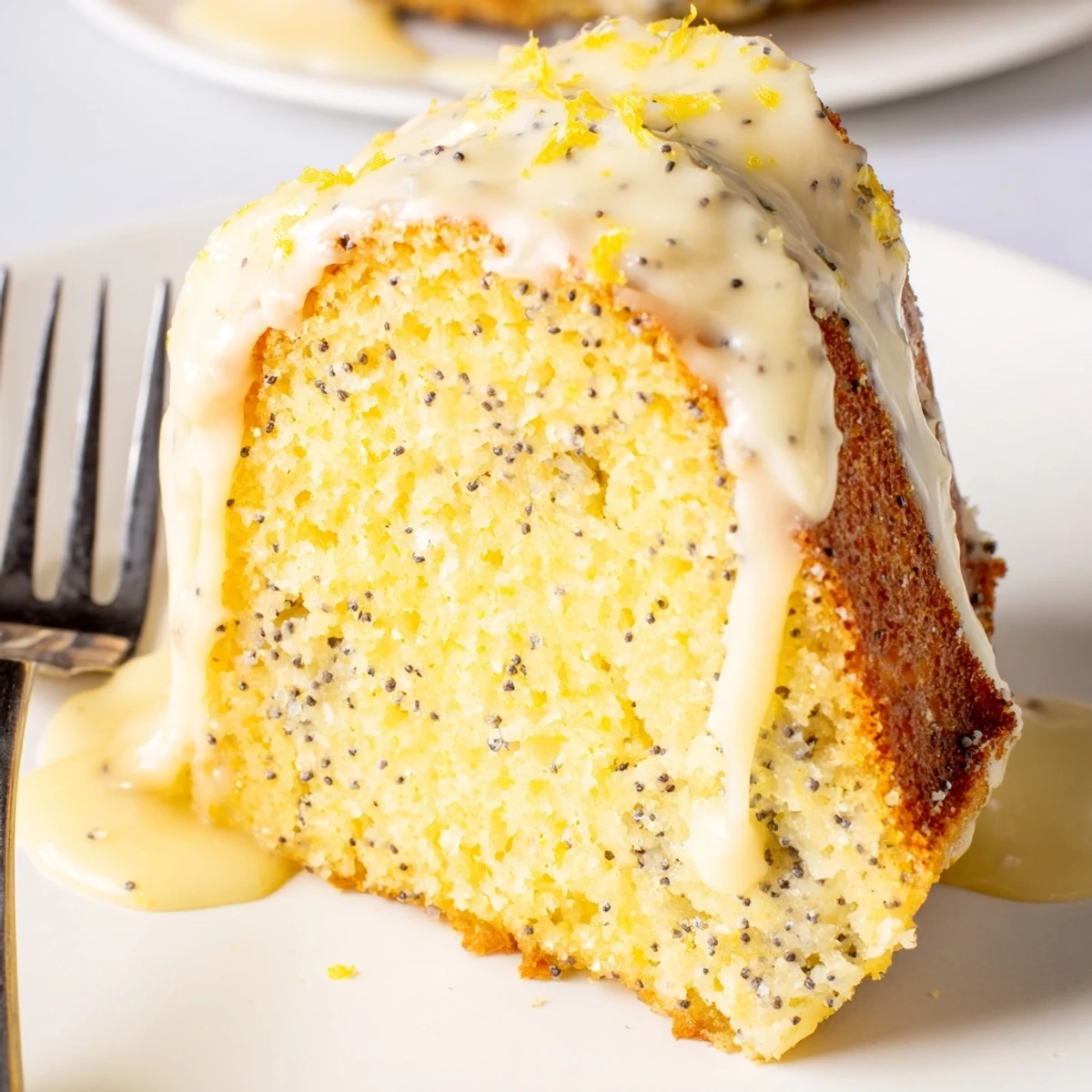
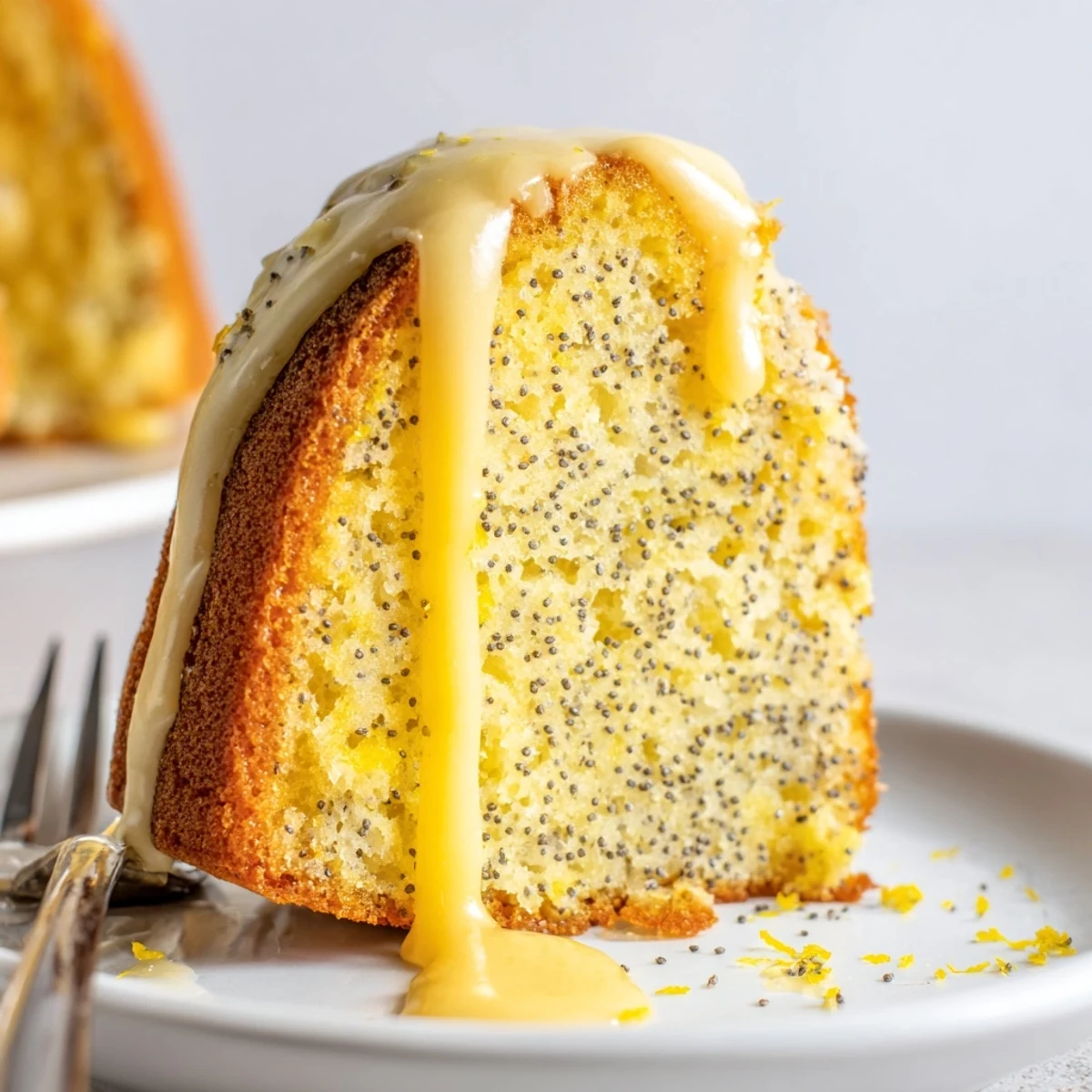
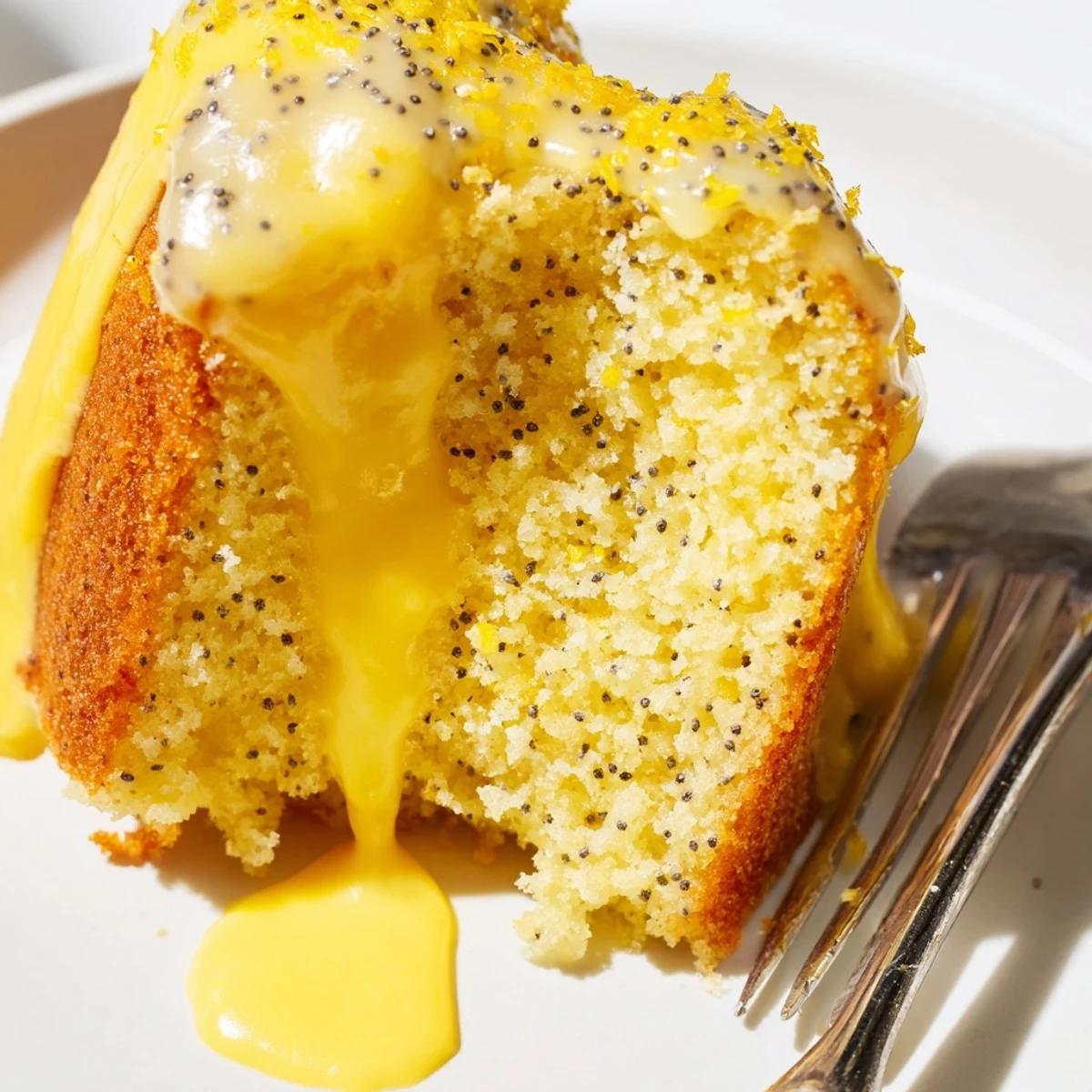
 This Bundt cake features a tender crumb enriched with fresh lemon zest and dotted throughout with crunchy poppy seeds. The batter combines softened butter, sugar, eggs, and a balanced mix of flour leavened with baking powder and soda. Lemon juice and milk keep the cake moist while a smooth lemon glaze adds a bright finishing touch. Perfectly baked in a greased Bundt pan, it offers a refreshing citrus experience ideal for brunch or dessert.
There's something about the smell of lemon zest hitting hot butter that makes me stop whatever I'm doing. One lazy Sunday, I was hunting through my pantry for something bright to bake, and three lemons were just sitting there practically begging to be used. I decided right then to make something lemony and tender, something that would fill the kitchen with that citrus warmth. That's when I landed on this Bundt cake, and honestly, it's been my go-to ever since.
I baked this for my neighbor when she was going through a rough week, and she ate half the cake before I even left her kitchen. She said it tasted like the opposite of sadness, and I think that stuck with me—how a good lemon cake can be exactly what someone needs without you having to say much of anything.
Ingredients
- All-purpose flour: Keep it measured by weight if you can; it makes the crumb more reliable and tender.
- Baking powder and baking soda: They work together to give you that gentle rise without overdoing it.
- Poppy seeds: Three tablespoons might seem small, but they're enough to give you surprise bursts of flavor.
- Unsalted butter: Softened butter creams better than cold, and you need that light, fluffy base.
- Granulated sugar: Two cups sounds like a lot, but it also helps keep the cake moist.
- Eggs at room temperature: Cold eggs won't blend smoothly into the batter, so take them out of the fridge about an hour before.
- Lemon zest and juice: Use fresh lemons, never the bottled stuff—the brightness completely changes the cake.
- Whole milk: Room temperature matters here too; it'll blend evenly without shocking the warm batter.
- Vanilla extract: A teaspoon adds depth without making the cake taste like vanilla.
- Powdered sugar for the glaze: Sift it first so the glaze stays smooth and drizzly.
Instructions
- Get your Bundt pan ready:
- Grease it generously with butter and dust with flour, making sure you get into all those little crevices so the cake releases cleanly. A Bundt pan has places to hide, so don't skip this step.
- Mix your dry ingredients:
- Whisk flour, baking powder, baking soda, salt, and poppy seeds in a bowl and set aside. This lets the leavening agents spread evenly through the batter.
- Cream butter and sugar:
- Beat them together on medium speed for 3 to 4 minutes until it looks light and fluffy—almost pale. This is where you're aerating the batter, and it matters.
- Add eggs one by one:
- Add each egg individually and beat until it's fully incorporated before adding the next. This prevents the batter from looking curdled and keeps the texture silky.
- Stir in the lemon zest and vanilla:
- Mix these in after the eggs are all in, so the zest gets evenly distributed and the vanilla perfumes the whole thing.
- Combine liquids:
- Pour the lemon juice and milk into a measuring cup and whisk them together gently.
- Alternate wet and dry:
- Add the flour mixture and the milk mixture in stages, starting and ending with flour, on low speed. Overmixing creates a tough cake, so stop as soon as everything is just combined.
- Pour into the pan:
- Smooth the batter with a spatula so it bakes evenly and comes out looking beautiful.
- Bake:
- Bake at 350°F for 45 to 55 minutes until a skewer inserted in the center comes out clean. Every oven is different, so start checking around 45 minutes.
- Cool in the pan:
- Let it sit for 15 minutes so it firms up enough to flip without breaking apart.
- Turn out onto a rack:
- Invert it carefully onto a wire rack and let it cool completely before glazing—patience here keeps the glaze from running off.
- Make the glaze:
- Whisk powdered sugar, lemon juice, and zest until it's smooth and pourable, then drizzle it over the cooled cake. The glaze will set slightly as it cools.
 Pin it
 What I love most about this cake is how it manages to taste elegant but feel completely approachable. It's the kind of thing you can bring to a potluck or serve to yourself on a quiet morning with coffee, and it works either way.
The Lemon Factor
Lemon is delicate, so you have to treat it with respect. The zest gives you the most flavor—those tiny flecks of bright yellow oil are where all the lemon personality lives. The juice adds moisture and tang, but use fresh juice, because bottled stuff is acidic in a flat, tired way. I always cut my lemons in half and juice them by hand before zesting, because zesting first makes the lemon harder to squeeze.
Why a Bundt Pan
A Bundt cake looks fancy without any extra work—the ridged sides do all the presentation for you. But there's a practical side too: the center tube lets heat penetrate the middle of the cake, so you get even baking without a dense center. Plus, once you've greased it properly, the cake slides out like magic and looks like you've been doing this for years.
Make It Your Own
This cake is a good canvas for small changes. You can brush the warm cake with extra lemon juice before glazing if you want an almost intense lemon hit. Substitute Greek yogurt for half the butter and you'll get a lighter, slightly tangier crumb. Some people add a splash of limoncello to the glaze for a boozy twist, or a pinch of poppy seeds into the glaze itself.
- Let the glaze set for at least 30 minutes before slicing so it doesn't smear everywhere.
- Store the cake covered at room temperature for up to three days, and it tastes just as good on day two as day one.
- This cake pairs perfectly with Earl Grey tea or, if you're feeling fancy, a glass of sparkling wine.
 Pin it
 This lemon Bundt cake is one of those recipes that gets better the more often you make it, because you start to understand the little things that make it shine. Bake it once and it'll be good; bake it twice and you'll know exactly how to make it perfect for your kitchen and your taste.
Recipe FAQ
- → What gives the cake its moist texture?
-
The combination of whole milk and softened butter, along with the gentle mixing method, ensures a tender and moist crumb.
- → How do poppy seeds affect the cake's texture?
-
Poppy seeds add a subtle crunch and a delicate nutty flavor, complementing the citrus notes of lemon.
- → Can I substitute ingredients to lighten the cake?
-
You can replace half the butter with Greek yogurt for a lighter texture without sacrificing moisture.
- → What is the purpose of the lemon glaze?
-
The lemon glaze adds a zesty finish and extra moisture, enhancing the citrus flavor of the cake.
- → How do I know when the cake is fully baked?
-
Insert a skewer into the cake's center; it should come out clean when the cake is done baking.
- → Can this cake be stored after baking?
-
Store covered at room temperature for up to three days to maintain freshness and texture.